Felis catus
Oregon Rex
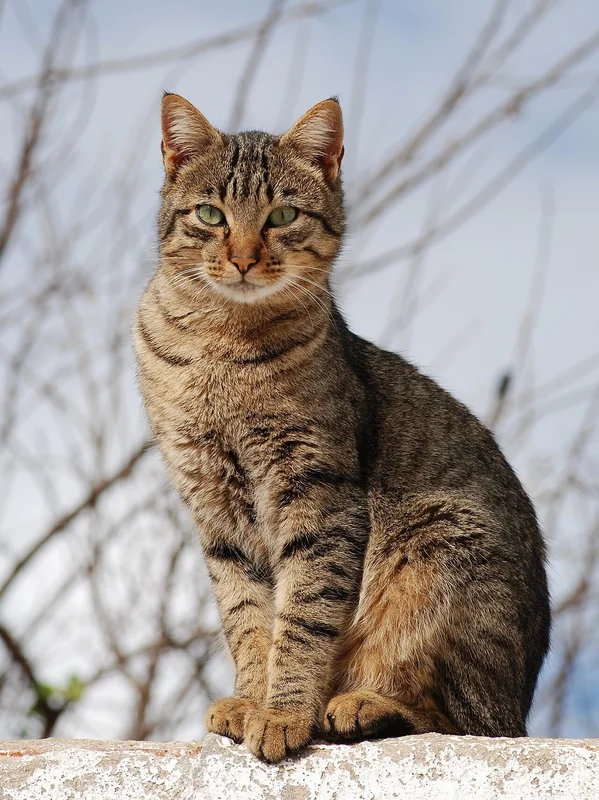
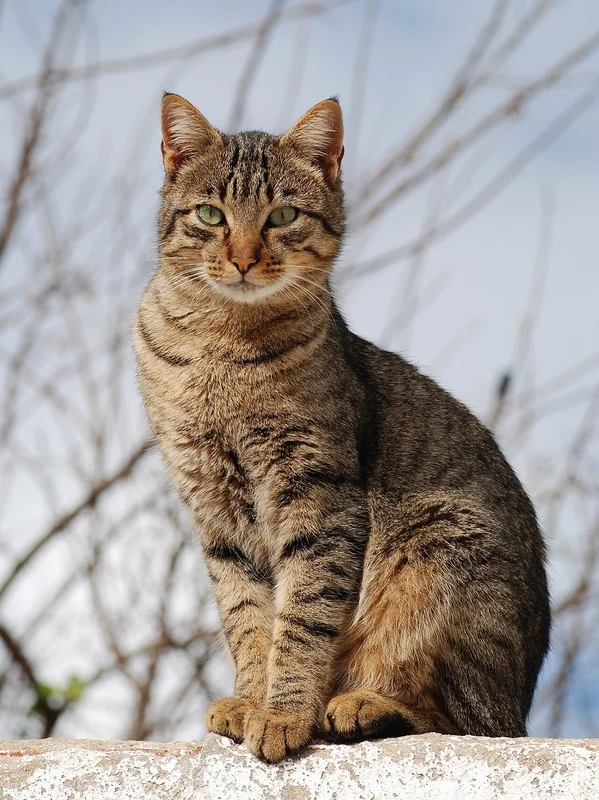
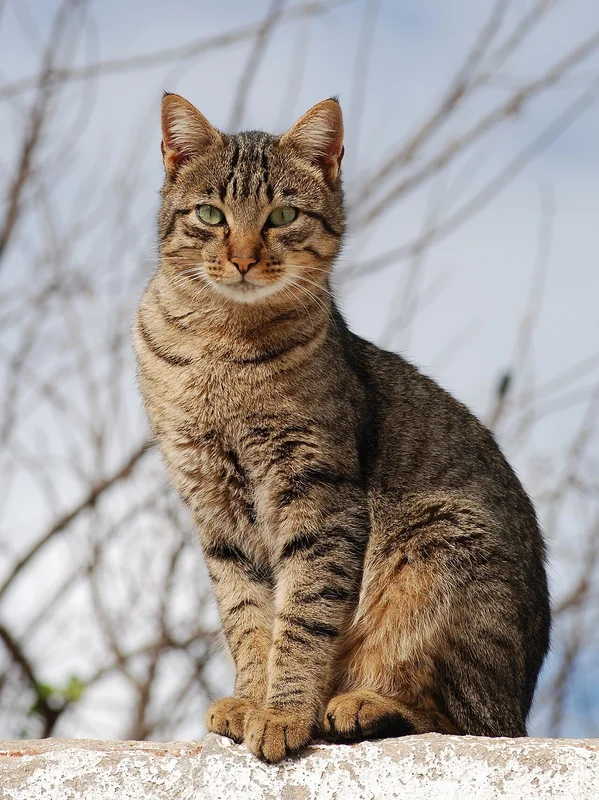 Featured photooregon-rex.jpg
The Oregon Rex was a curly-coated cat breed first documented in Oregon, USA in 1944. Developed from a spontaneous Rex mutation in Oregon domestic cats, the breed was bred for several decades before being absorbed through crosses with Devon Rex and Cornish Rex cats, essentially extinguishing the pure Oregon Rex line by the 1970s. The Oregon Rex carried a distinct recessive mutation from the Cornish and Devon Rex lines and represents a historically documented Rex mutation that no longer exists as a pure breed.
Quick facts
- Origin country
- United States
- Origin period
- First documented 1944, Oregon; absorbed into Cornish/Devon Rex lines by 1970s
- Coat type
- Curly
- Coat colors
- All colors and patterns (historical breed)
- Size category
- Medium
- Average lifespan
- 10-15 years
- Recognition
- —
Origin
The Oregon Rex was first recorded in 1944 in Oregon, USA, when a spontaneous Rex mutation produced a curly-coated kitten in a domestic cat litter. American breeders began developing the line in the 1950s. The Oregon Rex was exhibited at American cat shows and attracted interest as an American-origin Rex breed at a time when the Cornish Rex was being developed in England. Test crosses between Oregon Rex and Cornish Rex cats confirmed the two mutations were at different genetic loci, producing all straight-coated offspring in the first generation.
Absorption and Extinction
During the 1960s and 1970s, American cat breeders increasingly crossed Oregon Rex cats with Devon Rex and Cornish Rex cats to improve the conformation and broaden the gene pool. These crosses, which produced straight-coated F1 hybrids, were then bred back to Rex cats to produce curly-coated offspring carrying mixed Rex genetics. As this practice became widespread, the pure Oregon Rex mutation became increasingly diluted and eventually was absorbed into the broader Rex breeding population. By the late 1970s, no pure Oregon Rex lines remained; the mutation effectively became extinct as a distinct breed. The Oregon Rex is now a historical breed documented in cat fancy literature.
Historical Significance
The Oregon Rex is significant in the history of cat genetics as one of several independently arising Rex mutations documented in the 20th century, demonstrating that curly coat mutations can arise spontaneously in multiple geographic locations. Other Rex mutations documented in the 20th century include the Cornish Rex (1950, Cornwall, England), Devon Rex (1960, Devon, England), German Rex (1930s, Germany), Selkirk Rex (1987, Montana, USA), and LaPerm (1982, Oregon, USA). The Oregon Rex's absorption into the Cornish/Devon Rex breeding population means its specific mutation is no longer present in any living cat breed.
Sources & further reading (2)
- encyclopedia — accessed 2026-05-07
- encyclopedia — accessed 2026-05-07
Frequently asked questions
Does the Oregon Rex still exist?
The pure Oregon Rex line ceased to exist as a distinct population by the late 1970s after breeders crossed Oregon Rex cats with Devon Rex and Cornish Rex cats. The specific Oregon Rex mutation is no longer present in any living cat breed. The Oregon Rex is a historical breed documented in mid-20th-century American cat fancy literature.
How was the Oregon Rex mutation different from the Cornish Rex?
Test crosses between Oregon Rex and Cornish Rex cats produced all straight-coated F1 offspring, confirming the two mutations were at different genetic loci. If they had been the same gene, all kittens would have been curly-coated. The Oregon Rex mutation is therefore a genetically distinct Rex allele from the Cornish Rex, even though both produce curly coats.
When was the Oregon Rex first documented?
The Oregon Rex was first documented in 1944 in Oregon, USA. It was developed and shown at American cat exhibitions from the 1950s through the 1960s. By the late 1970s, crosses with Devon Rex and Cornish Rex had absorbed the Oregon Rex mutation into the other Rex gene pools, ending the pure line.