Felis catus
Desert Lynx
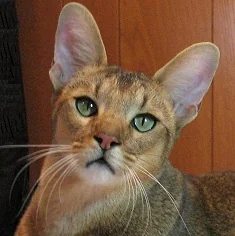
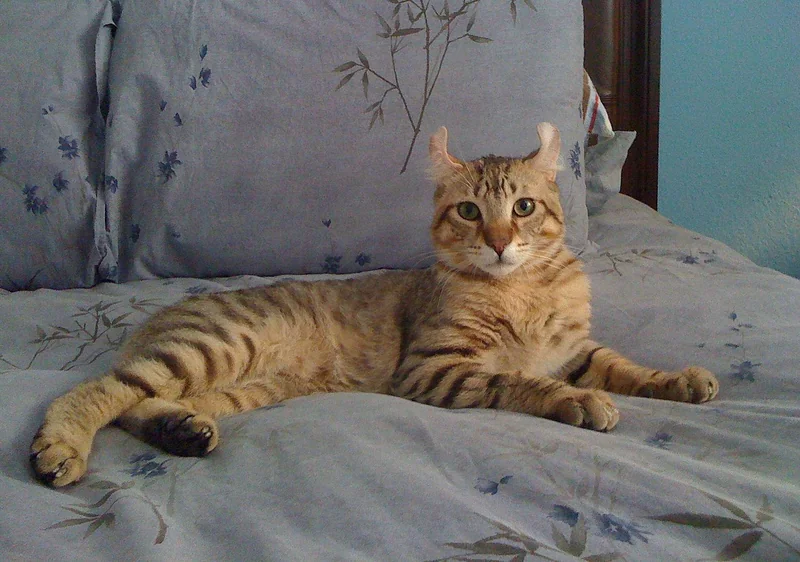
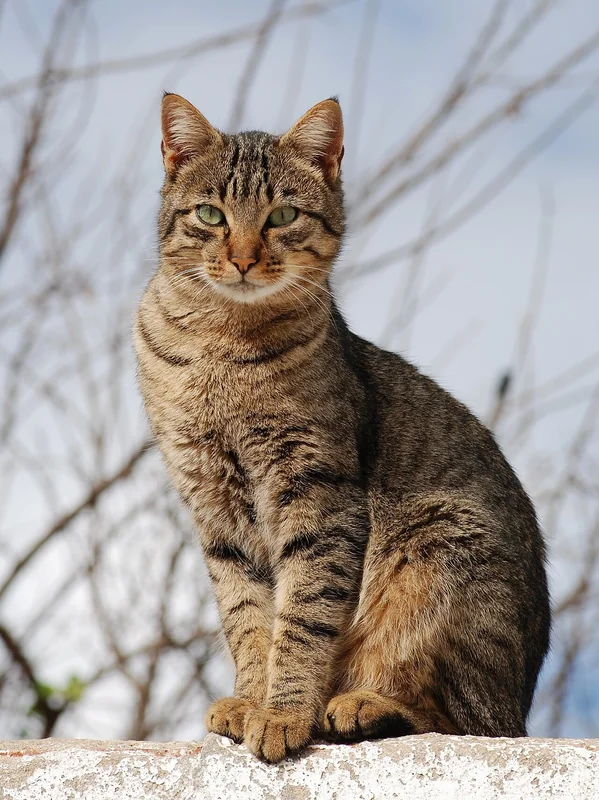
The Desert Lynx was a USA experimental domestic cat breed developed in the late 1980s and 1990s, sharing development history with the American Lynx and Highland Lynx programmes. Like those breeds, the Desert Lynx combined naturally bobbed tails, polydactyly, large ear tufts, and spotted tabby markings to achieve a wild-cat appearance without incorporating verified non-domestic genetics. TICA accepted the Desert Lynx for experimental/registration-only status. The Desert Lynx programme contributed to the genetic foundation that eventually became the Highlander breed standard.
Quick facts
- Origin country
- United States
- Origin period
- Late 1980s–1990s USA experimental programme; precursor to Highlander
- Coat type
- Short
- Coat colors
- Spotted and ticked tabby preferred; all colors accepted
- Size category
- Large
- Average lifespan
- 12-15 years
- Recognition
- —
Origin
The Desert Lynx was an American experimental breed programme of the 1980s–1990s. Like the American Lynx and Highland Lynx programmes, it used domestic cats with naturally occurring bobbed tails, polydactyly, and spotted tabby markings. No verified wild Bobcat genetics are present. The Desert Lynx contributed to the gene pool from which the TICA-accepted Highlander breed was developed.
Type
The Desert Lynx standard described a large, heavy-boned domestic cat with a bobtail, large tufted ears, and bold spotted or marbled tabby markings. Polydactyly was permitted. The overall impression was intended to mimic a small Bobcat. When the Highlander breed programme consolidated the various lynx-type programmes, the Desert Lynx type characteristics were refined and formalized under the Highlander name.
Wild Appearance Standard
The Desert Lynx standard emphasizes a wild bobcat/lynx appearance: a large, muscular body with tufted ears, large tufted paws, a short bobtail, and a spotted or mackerel tabby coat. The standard explicitly states that the Desert Lynx must appear to the eye as a wild lynx yet be fully domesticated in temperament. Tabby patterns that enhance the wild appearance — spotted, mackerel, and ticked — are preferred; solid colours are not accepted.
Sources & further reading (1)
- encyclopedia — accessed 2026-05-27
Frequently asked questions
What happened to the Desert Lynx breed?
The Desert Lynx was one of several parallel American experimental programmes. When breeders consolidated their work into the Highlander programme — which TICA accepted into formal championship competition — the Desert Lynx ceased to be maintained as a separate programme. Cats from Desert Lynx lines were incorporated into the Highlander breeding population.
Is the Desert Lynx a hybrid with a wild bobcat?
No. The Desert Lynx is a fully domestic cat developed through selective breeding of domestic cats to achieve a wild lynx appearance. No verified wild-cat hybridization is part of the breed's foundation. The wild appearance results from combining the bobtail gene, tufted ear trait, large paw trait, and tabby coat patterns through domestic cat selective breeding.
How many toes does the Desert Lynx have?
The Desert Lynx standard describes large, tufted paws but does not require polydactyly. Cats with normal toe counts (5 front, 4 rear) meet the standard. The Arizona Lynx — a related experimental breed — specifically requires polydactyly as a breed trait. The Desert Lynx's large paw appearance comes from tufting and conformation rather than extra digits.