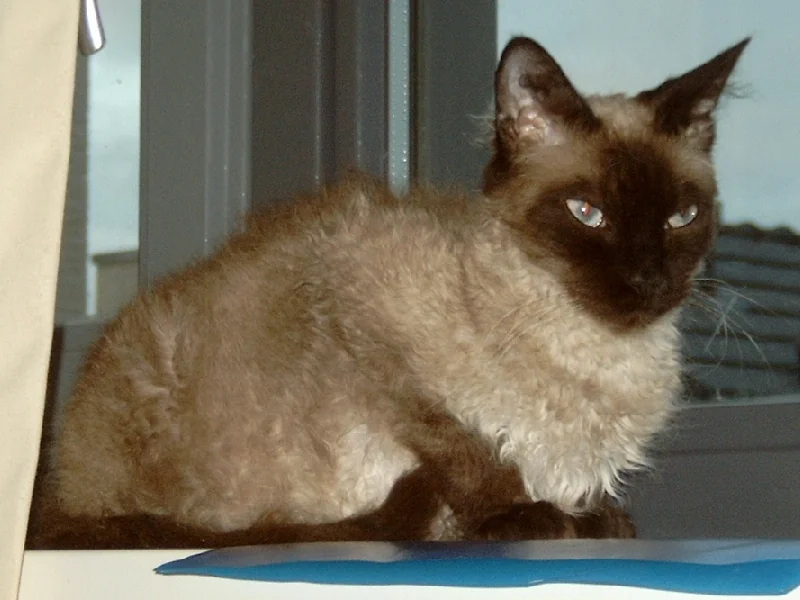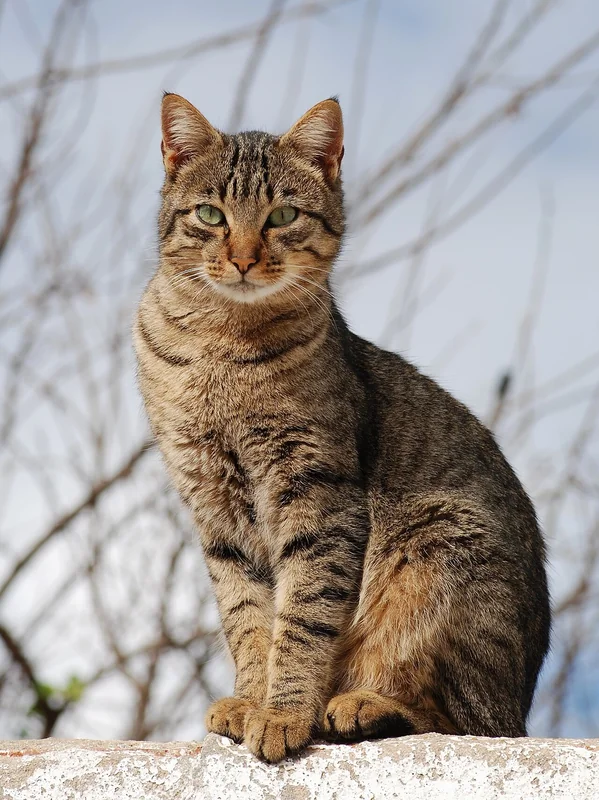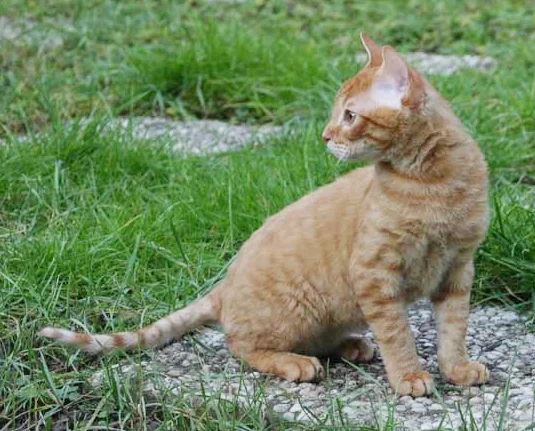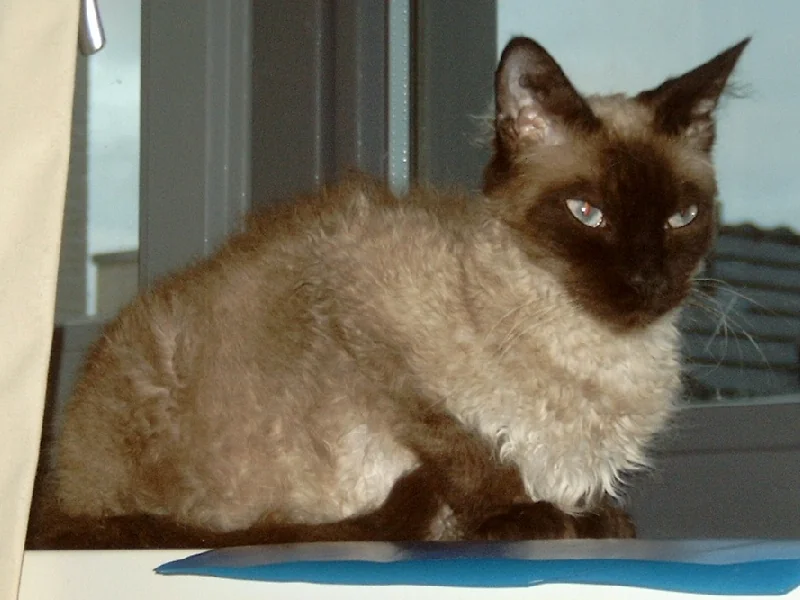
The LaPerm is a curly-coated breed originating from a spontaneous mutation in a barn cat population in Dallas, Oregon in 1982. The foundation female was born bald and later grew a soft curly coat; breeder Linda Koehl allowed the colony to breed freely for a decade before establishing the pedigree programme. TICA granted championship status in 2003; CFA in 2008; and FIFe published its standard in 2014.
Quick facts
- Origin country
- United States (Dallas, Oregon)
- Origin period
- 1982 spontaneous curly-coat mutation (Linda Koehl); TICA championship 2003
- Coat type
- Curly
- Coat colors
- All colours and patterns recognized
- Size category
- Medium
- Average lifespan
- 10-15 years
- Recognition
- CFA 2008 · TICA 2003 · FIFe 2014
Origin
A bald kitten was born in 1982 to a barn cat on Linda Koehl's cherry orchard in Dallas, Oregon. The kitten, named Curly, grew a soft wavy coat and produced curly-coated offspring. Koehl allowed the colony to breed freely for approximately ten years; the curly phenotype spread widely, confirming the dominant autosomal inheritance of the Lp gene. In the early 1990s Koehl began a formal breed programme and submitted the LaPerm to TICA for registry consideration.
Recognition
TICA accepted the LaPerm for registration in 1995, advanced it to new-breed-and-colour status in 2002, and granted full championship status in 2003. The Cat Fanciers' Association granted championship status in 2008. The Fédération Internationale Féline published its standard in 2014. The GCCF does not maintain a separate LaPerm championship register as of the mid-2020s.
Standard
The CFA standard describes a medium-sized, moderately foreign cat with a wedge-shaped head of medium length. The coat may be short or long; both lengths form curls ranging from loose waves to tight ringlets. The curls are lightest around the neck (producing a ruff-like effect), on the belly, and at the base of the ears. All colours and patterns are recognized. The whiskers are long and wavy. The CFA standard specifies that the coat should not be combed or brushed to straighten the curl; the natural curled texture is the defining characteristic.
Sources & further reading (3)
- registry-breed-profile — accessed 2026-04-30
- encyclopedia — accessed 2026-04-30
- tica-standard — accessed 2026-04-30
Frequently asked questions
When was the LaPerm recognized?
TICA granted the LaPerm full championship status in 2003 after accepting it for registration in 1995. The Cat Fanciers' Association granted championship status in 2008. FIFe published its standard in 2014. The GCCF does not maintain a separate LaPerm championship register.
Is the LaPerm mutation dominant or recessive?
The LaPerm carries an autosomal dominant mutation (gene Lp). A single copy of the Lp gene produces a curly coat; kittens inheriting two copies (homozygous) are born bald. The dominant inheritance means that approximately 50% of offspring from a LaPerm crossed with a straight-coated cat will be curly.
How did the LaPerm develop naturally?
Linda Koehl allowed the barn-cat colony to breed freely for approximately ten years after the first curly-coated kitten was born in 1982. The dominant Lp gene spread naturally through the colony. By the early 1990s curly-coated cats were common in the population, and Koehl began a formal selection and registry programme with TICA.