Vanellus vanellus
Northern Lapwing (Vanellus vanellus)
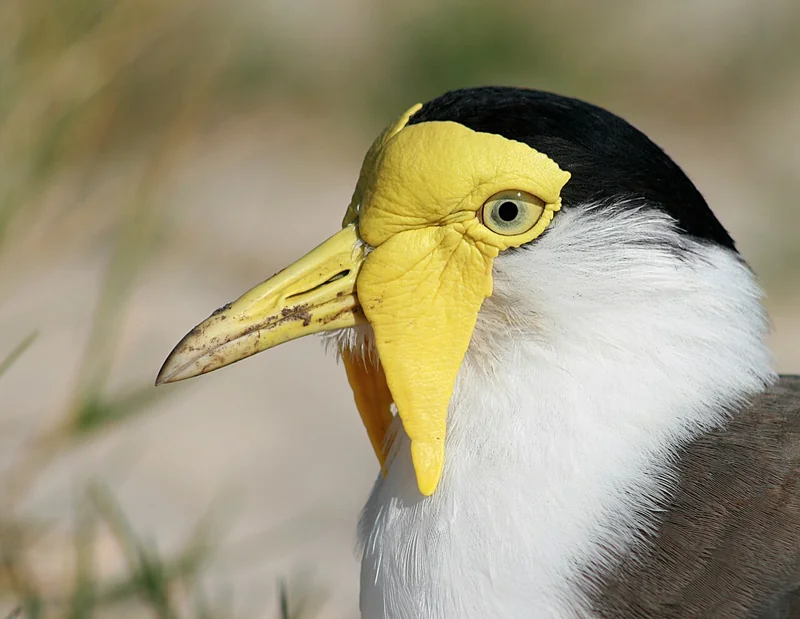 Featured photonorthern-lapwing.jpg
Vanellus vanellus, the northern lapwing, is a large plover of the family Charadriidae breeding across temperate Eurasia. Adults are 28 to 31 cm long with a wingspan of 67 to 72 cm and weigh 128 to 330 g. The species is recognised by its glossy green-black upperparts, white underparts, black breast band, orange-buff undertail, and long slender black crest. The IUCN lists the species as Near Threatened, reflecting a sharp decline across Europe linked to agricultural intensification.
Quick facts
- Habitat
- Breeds on open farmland, wet meadows, moorland, coastal grassland, and marshes. Particularly associated with wet lowland agricultural fields and traditionally managed hay meadows. Winters on agricultural fields, coastal mudflats, estuaries, and short grassland across western Europe, the Middle East, and South Asia.
- Range
- Breeds from Britain and Ireland east across temperate Europe and central Asia to the Pacific coast of East Asia. Winters across western Europe, the Mediterranean, the Middle East, the Indian subcontinent, and East Asia. One of the most familiar farmland birds of Europe.
- Size
- 28–31 cm body · 67–72 cm wingspan · 128–330 g
- Plumage
- Adults have iridescent glossy green and purple-black upperparts, white underparts, a bold black breast band, and distinctive orange-buff undertail coverts. The head has a long, wispy upturned black crest unique among European waders. The face and throat are black in breeding males; females and non-breeding birds have a paler, more mottled face. In flight the broad, rounded wings with slow, floppy wingbeats produce a distinctive tumbling flight.
- Song
- A plaintive, drawn-out 'pee-wit' or 'pee-weet' — the source of the folk name 'peewit' — given from the ground and in flight. During display flight males produce a complex 'wee-ah-wee-wee' call with mechanical wing-beating sounds. The display flight with tumbling, winnowing wingbeats and vocalisation is one of the most visible and audible of any European farmland bird.
- Migration
- Partially migratory. Breeding populations in Britain and northern Europe partly resident; colder winters trigger westward and southward movements. Large flocks form in autumn and winter, sometimes numbering thousands. In very cold winters, lapwings move rapidly west and south to avoid frozen ground.
- Conservation
- Near Threatened (NT)
Overview
Vanellus vanellus is the type species of the genus Vanellus (the lapwings) and one of approximately 25 lapwing species found worldwide. The northern lapwing is the most familiar wader of European farmland and has been associated with agricultural landscapes since the spread of arable farming. It has many regional folk names — peewit, pewit, and green plover in Britain; in Germany it is called 'Kiebitz' and its call features in poetry and proverb. The species was formerly much more common than today — lapwings' eggs were collected in large numbers as a delicacy in Britain and the Netherlands from medieval times until the mid-20th century.
Display flight and territorial behaviour
The northern lapwing's display flight is one of the most spectacular of any European farmland bird. Males perform rolling, tumbling aerial displays over the breeding territory — alternating between floppy, slow-beating flight and steep dives with mechanical 'whooshing' sounds produced by the specially modified outer primary feathers. The display is accompanied by the loud 'pee-wit' call and the more complex 'wee-ah-wee-wee' song. Displaying males tumble dramatically over potential mates and over territory boundaries. The broad, rounded wings that produce the slow, floppy wingbeat are an adaptation that makes the display more visible across open farmland but renders the species less agile and more vulnerable to falcons than narrow-winged waders.
Farmland decline and conservation
The northern lapwing has declined dramatically across Europe since the 1970s — UK breeding populations dropped by approximately 80% between 1960 and 2010, making it one of the most severe declines of any British farmland bird. The primary cause is agricultural intensification: the shift from spring-sown arable crops to autumn-sown cereals (which are too tall by spring for lapwings to nest in), drainage of wet meadows, early silage cutting that destroys nests, and removal of field margins. Conservation measures including agri-environment schemes that pay farmers to create or maintain lapwing scrapes (shallow wet depressions in fields), delay cutting, and maintain short vegetation have shown some benefit in targeted areas, but landscape-wide recovery has been limited.
Sources & further reading (2)
- iucn-red-list — accessed 2026-05-07
- encyclopedia — accessed 2026-05-07
Frequently asked questions
What causes the floppy, tumbling flight of the lapwing?
The northern lapwing's distinctive floppy, rolling wingbeat is a consequence of its broad, rounded wing shape — the wing area is large relative to body weight, giving a slow wingbeat with a characteristic 'waving' appearance. During display flights, males exaggerate this movement with steep climbs and tumbling dives. The broad wing shape also generates the mechanical whooshing sound audible during display flights from the outer primary feathers.
Why is it called a peewit?
The folk name 'peewit' (also written 'pewit') is onomatopoeic — it imitates the bird's most common call, a plaintive drawn-out 'pee-wit' or 'pee-weet' given frequently throughout the year from the ground and in flight. The name has been used in English since at least the 16th century and appears in literature and dialect poetry. 'Lapwing' itself derives from the Old English 'hleapewince', referring to the bird's leaping, winging display flight.
Were lapwing eggs really eaten as a delicacy?
Yes — lapwing eggs were a highly prized seasonal delicacy in Britain and the Netherlands from medieval times until the mid-20th century. The first lapwing eggs of the season (collected in early spring) were considered a luxury, and their arrival at market was reported in newspapers. Eggs were collected commercially under licence in Britain until 1926, when collection was restricted, and were finally fully protected in 1981. In the Netherlands, the opening of the lapwing egg season was a celebrated cultural event for centuries. Egg collection contributed to earlier population declines before agricultural intensification became the primary pressure.