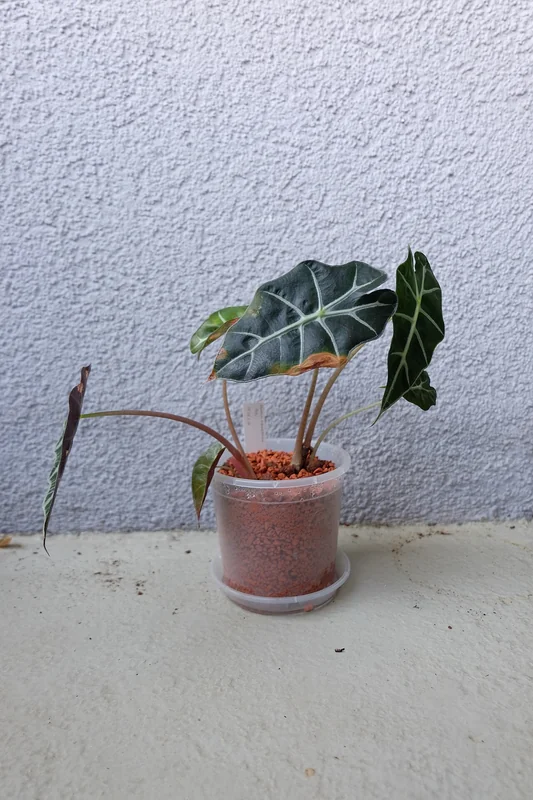
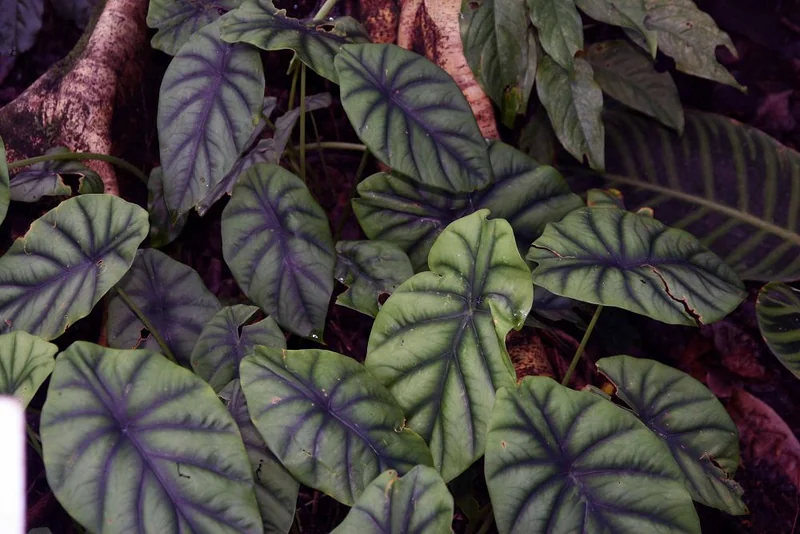
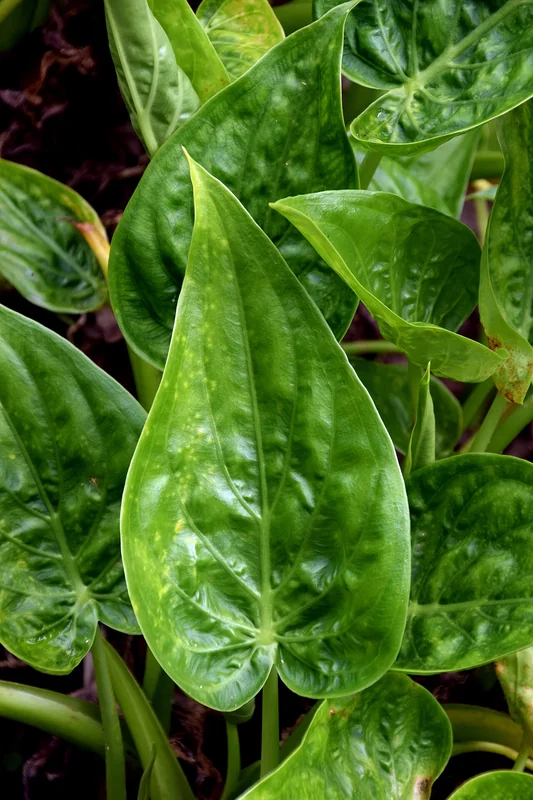
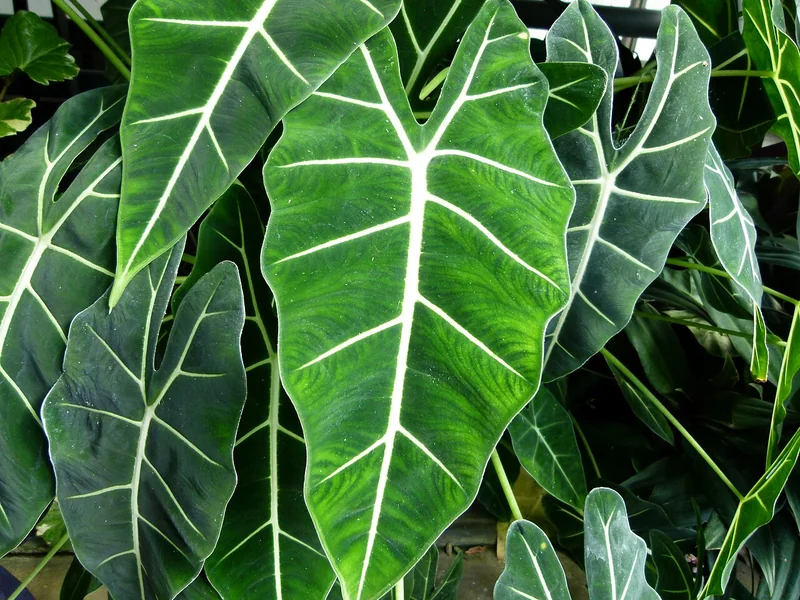
Zantedeschia rehmannii
Zantedeschia rehmannii Care Guide
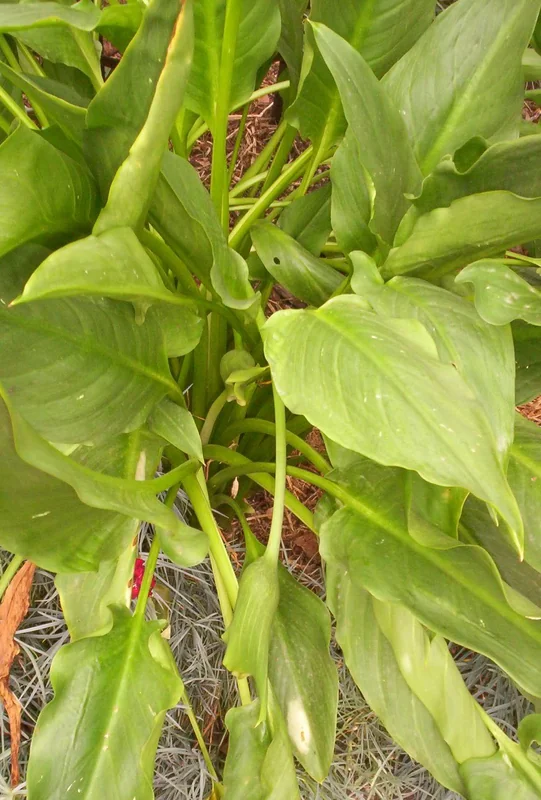 Featured photozantedeschia-rehmannii.jpg
Zantedeschia rehmannii is a compact, rhizomatous aroid from the summer-rainfall grasslands and scrub of South Africa and Eswatini. It produces narrow, lance-shaped leaves and elegant pink to mauve spathes, and is the primary parent of the coloured calla lily hybrids widely sold in the floristry trade. As a houseplant it is more compact and elegant than Z. aethiopica, making it suitable for smaller spaces.
Care facts at a glance
- Light
- Bright indirect
- Water
- Water moderately during active growth; allow the top 2–3 cm to dry between waterings. Cease watering in late summer through winter dormancy.
- Humidity
- 45–70 %
- Temperature
- 7–28 °C
- Soil
- Well-draining sandy loam or potting mix with extra perlite; avoid heavy moisture-retentive composts.
- Origin
- Summer-rainfall grasslands and scrub of northeastern South Africa and Eswatini.
- Mature size
- 30 to 60 cm tall; narrower clump than Z. aethiopica.
Overview
Zantedeschia rehmannii was described by Engler in 1884 and named for the South African botanist Anton Rehmann. It is the only pink-spathed Zantedeschia species — all other Zantedeschia have white, yellow, or cream spathes. Its adaptation to seasonally dry grasslands means it has a more pronounced winter dormancy requirement than the semi-aquatic Z. aethiopica. Most modern garden and florist calla lily hybrids derive their colour from this species.
Care Priorities
- A strict winter dormancy is essential: stop watering in late summer and keep the rhizome dry and cool (7–12 °C) for at least 8 weeks.
- Restart in early spring in fresh, well-draining compost; do not water heavily until new shoots are clearly visible.
- Bright, indirect light is ideal during flowering; direct afternoon sun bleaches the delicate pink spathes.
- Phosphorus-rich feeding from emergence to the end of flowering maximises bloom quality.
Common Problems
Rhizome rot is the most common problem, usually caused by overwatering or starting the new growing season before the rhizome has had adequate dormancy. Signs include a soft, hollow-feeling rhizome and no new growth despite warmth. Spathes that remain green and fail to open are often caused by insufficient light or temperatures that are too low during the active period. Thrips damage the flowers by causing brown speckling on the spathe; treat with neem oil spray early in the season.
Sources & further reading (2)
- botanical-garden — accessed 2026-05-27
- encyclopedia — accessed 2026-05-27
Frequently asked questions
Why are my pink calla spathes turning green?
Greening of spathes can occur in very high light or heat, and is also a natural sign that the flowering period is ending. As the plant transitions to dormancy, the spathe loses its pink pigment. If greening happens very early, the light levels may be too high.
Can I keep the bulb after flowering?
Yes — allow the foliage to yellow and die back naturally in late summer, then store the dry rhizome in a cool, frost-free spot in barely moist vermiculite over winter. Replant in fresh compost in spring.
Is it the same as hybrid calla lilies from florists?
Not exactly. Florist calla lilies are typically Z. rehmannii hybrids crossed with Z. elliottiana or other species. These hybrids tend to produce larger blooms in a wider range of colours. Pure Z. rehmannii is slightly smaller with soft pink to mauve spathes.