Dracaena angolensis
Sansevieria cylindrica (African Spear) Care Guide
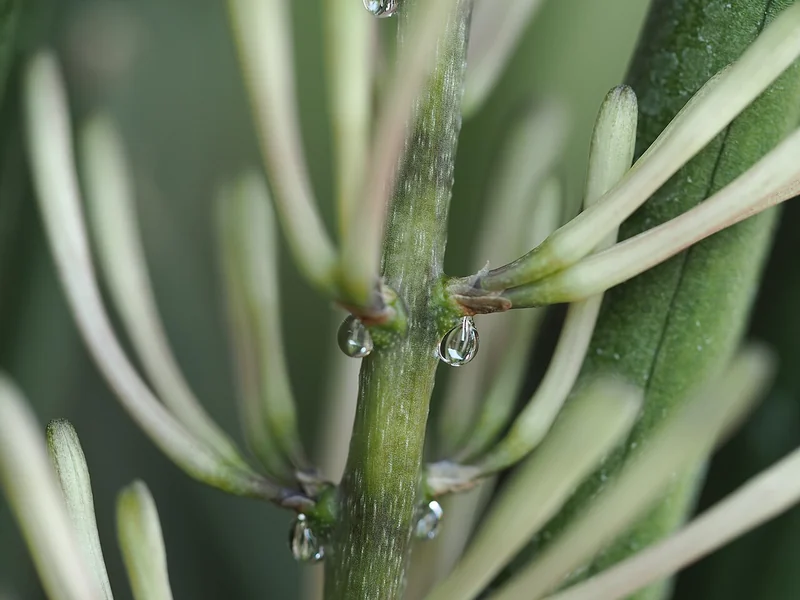 Featured photosansevieria-cylindrica.jpg
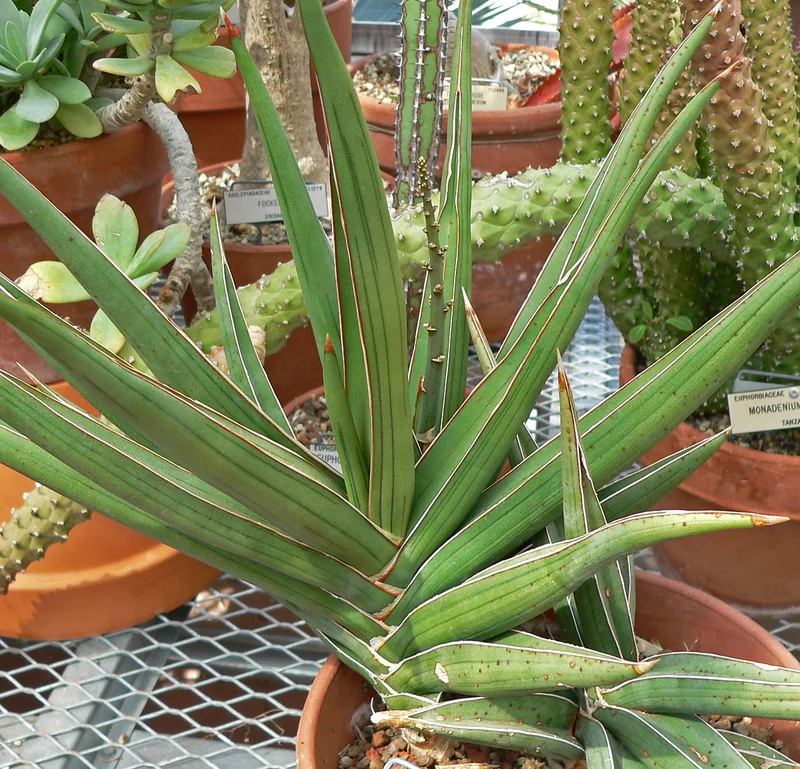
Sansevieria cylindrica, now formally Dracaena angolensis, is an Angolan snake plant with stiff, cylindrical, upright spears instead of the flat blades of common snake plant. The young plants are often braided in nurseries, fusing into sculptural upright forms. It is among the most drought-tolerant of all houseplants and tolerates near-total neglect.
Care facts at a glance
- Light
- Bright indirect
- Water
- Water when the mix is fully dry — typically every 3 to 6 weeks.
- Humidity
- 30–50 %
- Temperature
- 15–29 °C
- Soil
- Cactus or succulent mix with extra perlite or pumice.
- Origin
- Angola and surrounding southwest Africa.
- Mature size
- 60 to 120 cm tall.
Overview
Sansevieria cylindrica was reclassified into the Dracaena genus in 2017 along with the rest of Sansevieria, although the trade still sells it under the older name. The braided form is a nursery practice — young flexible spears are tied together and grow fused as they harden.
Care Priorities
- Very bright filtered light or a few hours of direct sun.
- Water rarely; this is one of the most drought-tolerant houseplants.
- Use a free-draining cactus mix; standard houseplant soil rots the corm fast.
- Avoid cold draughts below 10 °C.
Common Problems
Soft, mushy spears at the base is overwatering — the only common cause of cylindrica failure. Falling spears can be reset by replanting if the base is firm. Yellow tips are normal aging.
Sources & further reading (2)
- encyclopedia — accessed 2026-04-28
- botanical-garden — accessed 2026-04-28
Frequently asked questions
Will the braided form unbraid?
No — once the young spears fuse together they remain joined. New spears grow up alongside, retaining the braid effect.
Sansevieria or Dracaena?
Botanically Dracaena angolensis since 2017. Trade and most gardeners still use the older Sansevieria cylindrica name.
How often to water in winter?
Every 6 to 8 weeks at most. Winter overwatering is the leading cause of cylindrica failure.