Philodendron ricardoi
Philodendron ricardoi Care Guide
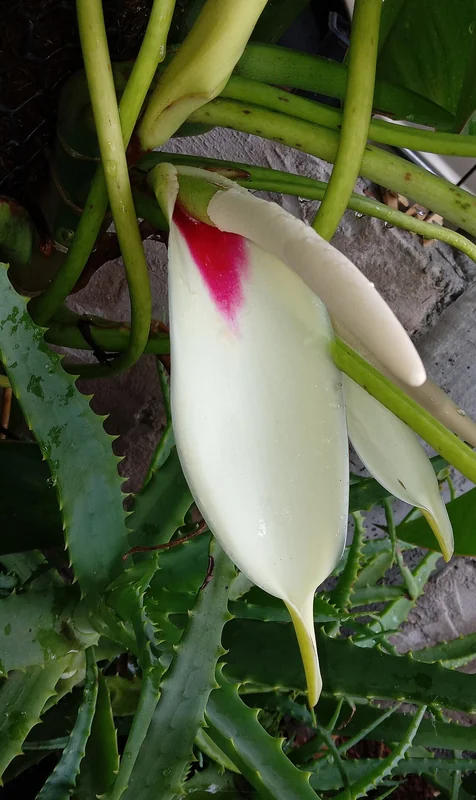 Featured photophilodendron-ricardoi.jpg
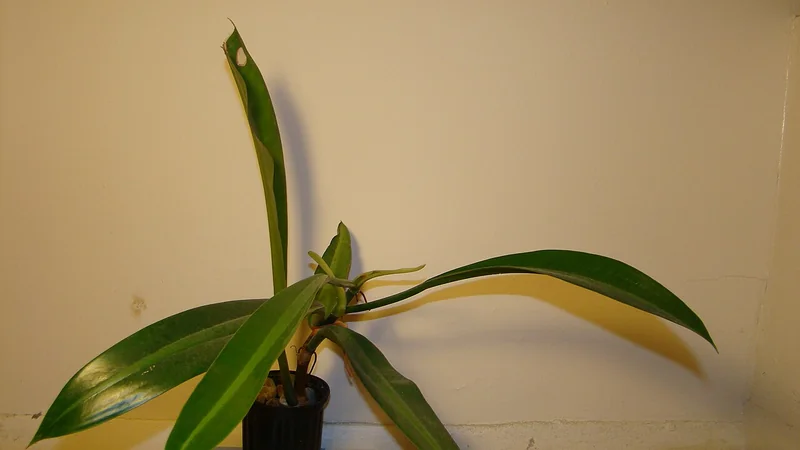
Philodendron ricardoi is a striking tropical plant known for its long, narrow, dark green leaves. Native to the rainforests of Brazil, it thrives in warm, humid environments with bright, indirect light. This aroid makes an excellent houseplant for those who can provide its specific care needs, rewarding growers with its elegant foliage.
Care facts at a glance
- Light
- Bright indirect
- Water
- Water thoroughly when the top 1-2 inches of soil feel dry to the touch, ensuring excess water drains away.
- Humidity
- 60–80 %
- Temperature
- 18–29 °C
- Soil
- Use a well-draining, airy potting mix rich in organic matter. An ideal blend includes orchid bark, perlite, coco coir or peat moss, and a small amount of horticultural charcoal.
- Origin
- Native to the tropical rainforests of southeastern Brazil, particularly in the states of Espírito Santo and Bahia, where it grows as an epiphyte or hemiepiphyte.
- Mature size
- Indoors, its leaves can reach 60-90 cm (2-3 feet) in length. As a climbing plant, its overall height can be managed with support, potentially reaching several feet.
Overview
The Philodendron ricardoi is a unique and elegant aroid, prized for its exceptionally long, narrow, and dark green leaves. Hailing from the humid rainforests of Brazil, it naturally grows as an epiphyte, clinging to trees, or as a hemiepiphyte, starting on the ground and climbing. Its distinctive foliage makes it a captivating addition to any indoor plant collection, especially for those who appreciate unusual Philodendron varieties.
Care Priorities
Philodendron ricardoi thrives in conditions that mimic its native rainforest habitat. Provide bright, indirect light to prevent leaf scorching while encouraging robust growth. Maintain high humidity, ideally between 60-80%, which is crucial for healthy foliage. Water consistently, allowing the topsoil to dry slightly between waterings, and use a well-draining, airy soil mix to prevent root issues.
Common Problems
Yellowing leaves often signal overwatering or underwatering; check soil moisture carefully. Brown leaf tips usually indicate low humidity or inconsistent watering. Keep an eye out for common houseplant pests like spider mites and mealybugs, especially in dry conditions. Prompt treatment with insecticidal soap can help manage infestations.
Sources & further reading (3)
- encyclopedia — accessed 2026-04-24
- dataset — accessed 2026-04-24
- botanical-garden — accessed 2024-07-30
Frequently asked questions
Why are my Philodendron ricardoi leaves turning yellow?
Yellowing leaves often indicate overwatering or underwatering. Check the soil moisture level and adjust your watering schedule accordingly. It can also be a sign of nutrient deficiency.
How do I increase humidity for my Philodendron ricardoi?
To boost humidity, you can place the plant near a humidifier, group it with other plants, or use a pebble tray filled with water beneath its pot. Misting offers only temporary relief.
Does Philodendron ricardoi need a moss pole?
As a climbing aroid, Philodendron ricardoi benefits greatly from a moss pole or other support structure. This encourages larger leaf development and a more natural, upright growth habit.
Is Philodendron ricardoi toxic to pets?
Yes, like many plants in the Araceae family, Philodendron ricardoi contains calcium oxalate crystals. Ingestion can cause irritation to the mouth, throat, and digestive tract in pets and humans.