Philodendron domesticum
Philodendron domesticum Care Guide: Easy Houseplant
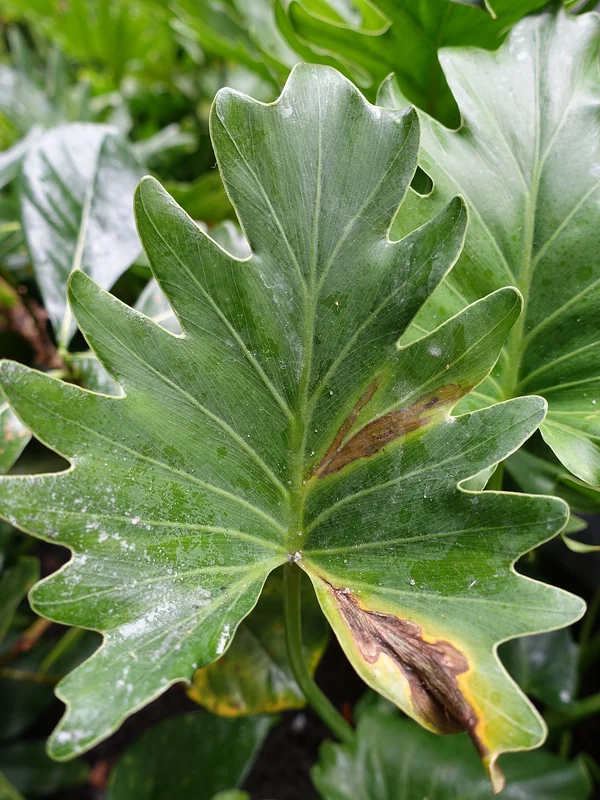 Featured photophilodendron-domesticum.jpg
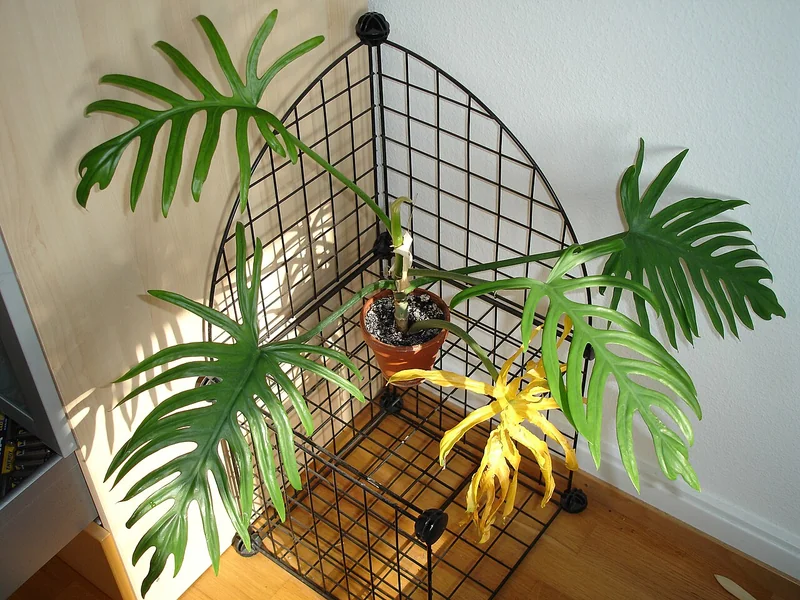
Philodendron domesticum, often called the "Heartleaf Philodendron" due to its leaf shape, is a popular houseplant known for its ease of care. It's a great choice for beginners looking to add some lush greenery to their homes. This guide will walk you through everything you need to know to keep your plant happy.
Care facts at a glance
- Light
- Bright indirect
- Water
- Water when the top 1-2 inches of soil feel dry to the touch.
- Humidity
- 50–70 %
- Temperature
- 18–24 °C
- Soil
- A well-draining potting mix is essential. Use a blend of peat moss, perlite, and regular potting soil, or a specific aroid mix.
- Origin
- Native to the tropical rainforests of Central and South America.
- Mature size
- Can trail or climb up to 10-15 feet long indoors.
Overview
Philodendron domesticum is a vining philodendron prized for its attractive, heart-shaped leaves. It's a relatively low-maintenance plant that can be grown as a trailing plant in hanging baskets or as a climber on a moss pole or trellis. Its adaptability makes it a favorite for both novice and experienced plant enthusiasts.
Care Priorities
The most important factors for Philodendron domesticum are bright, indirect light, consistent watering without over-saturation, and well-draining soil. Providing adequate humidity and occasional feeding will encourage healthy growth and vibrant foliage.
Common Problems
Yellowing leaves can indicate overwatering or poor drainage. Brown, crispy leaf edges often suggest low humidity or inconsistent watering. Pests like spider mites and mealybugs can also be an issue; inspect your plant regularly and treat promptly if infestations occur.
Sources & further reading (3)
- encyclopedia — accessed 2026-04-24
- dataset — accessed 2026-04-24
- botanical-garden — accessed 2024-07-24
Frequently asked questions
How much light does Philodendron domesticum need?
It thrives in bright, indirect light. Avoid direct sunlight, which can scorch its leaves. It can tolerate lower light conditions, but its growth may become leggy.
Why are my Philodendron domesticum leaves turning yellow?
Yellow leaves are often a sign of overwatering or that the plant is not getting enough light. Check the soil moisture and ensure it's drying out slightly between waterings. Also, move the plant to a brighter location if it's in a dim spot.
How can I make my Philodendron domesticum bushier?
To encourage a bushier growth habit, you can periodically pinch back the growing tips. This will stimulate new growth from the nodes along the stem. You can also propagate the cuttings and plant them back into the same pot.
What kind of soil should I use?
Use a well-aerated, well-draining potting mix. A good option is a mix of peat moss or coco coir, perlite, and orchid bark, or a commercial aroid mix.