Hoya gracilis
Hoya gracilis Care Guide
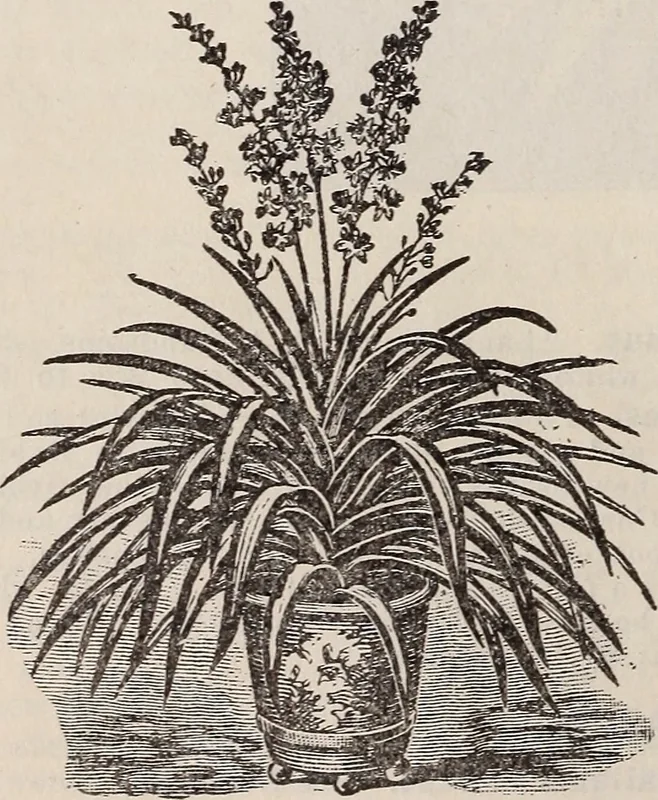 Featured photohoya-gracilis.jpg
Hoya gracilis is a slender, vining Philippine hoya with narrow, lightly hairy leaves on fine stems that trail elegantly from hanging baskets or climb a support. It produces clusters of small, pale pink to near-white star flowers with a pleasant sweet fragrance, typically in spring and summer. The species is an accommodating grower that tolerates average indoor humidity and light conditions, making it a rewarding choice for collectors seeking a less common species with an attractive delicate trailing habit.
Care facts at a glance
- Light
- Bright indirect
- Water
- Water when the top 3 to 4 cm of substrate has dried; roughly every 10 to 14 days in summer.
- Humidity
- 50–75 %
- Temperature
- 16–30 °C
- Soil
- Well-draining hoya mix with bark, perlite, and minimal compost.
- Origin
- Humid forests of the Philippines.
- Mature size
- Vining to 2 to 3 m; leaves 5 to 10 cm long.
Overview
Hoya gracilis was described by Schlechter and belongs to a group of slender-stemmed Philippine hoyas with small, lightly textured leaves. The species name reflects the delicate, graceful habit of the plant — fine stems with evenly spaced, narrow leaves create an airy trailing effect unusual among the typically more robust hoya species. Its flowers are small but numerous, carried in pendant umbels that release a sweet fragrance in the evening. Despite its delicate appearance, it grows reliably in typical indoor conditions provided it has good light and well-draining substrate.
Care Priorities
- Bright, indirect light promotes vigorous growth and reliable flowering; deep shade causes leggy, sparse stems.
- The narrow leaves dry faster than thick-leaved hoyas; check moisture more frequently in warm weather and reduce watering significantly in winter.
- High-phosphorus fertilizer from spring through late summer supports consistent bud formation.
- Do not remove spent peduncles; they are reused in subsequent growing seasons to produce new umbels.
Common Problems
Sparse leaf spacing on new growth indicates insufficient light; move the plant to a position with more indirect light. Yellowing lower leaves combined with soft stems usually indicate root rot from overwatering; improve drainage and reduce watering frequency. Mealybugs target the fine stem nodes and leaf axils; inspect regularly and treat promptly with isopropyl alcohol on a cotton swab. Spider mites can also establish in dry indoor conditions — increase ambient humidity and treat with neem oil if spotted.
Sources & further reading (2)
- botanical-garden — accessed 2026-05-08
- encyclopedia — accessed 2026-05-08
Frequently asked questions
Is H. gracilis easy to grow?
Yes — it is among the more accommodating Philippine hoyas. It tolerates average household humidity and does not require the high heat that some tropical hoyas demand, making it suitable for intermediate growers.
How does it differ from H. kentiana?
Both have narrow leaves, but gracilis has finer, more delicate stems and slightly shorter, hairier leaves. Kentiana produces larger, more intensely pink-purple flowers compared to the paler flowers of gracilis.
Can I grow it in a hanging basket?
Yes — the fine, trailing stems cascade naturally from a hanging basket, creating an attractive curtain effect when the plant matures and stems lengthen.