Goeppertia mediopicta
Goeppertia mediopicta (Yellow-mid Calathea) Care Guide
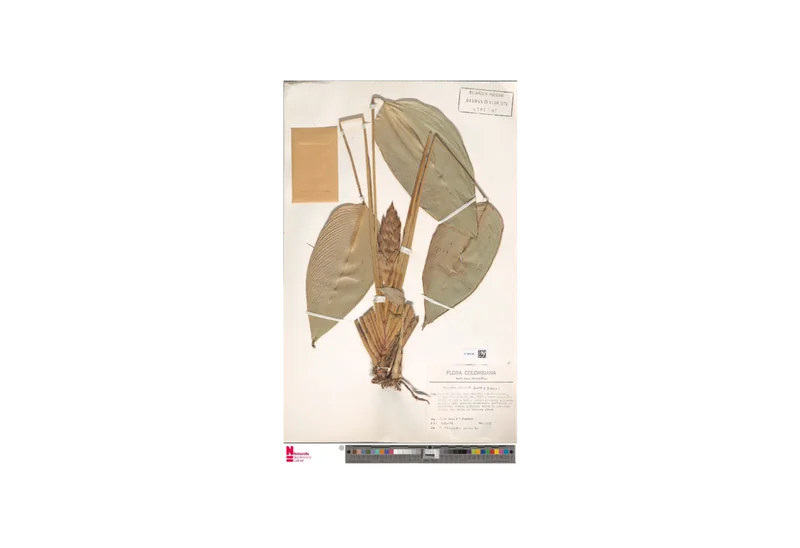 Featured photogoeppertia-mediopicta.jpg
Goeppertia mediopicta, sold under the common name Yellow-mid Calathea, is a tropical Marantaceae understorey plant kept indoors for its patterned foliage. A green-leaved species marked by a striking pale yellow midrib and matching central feathering, named mediopicta for the painted middle. Like most members of the genus, it prefers bright filtered light, evenly moist soil, and humidity above 60 percent — the leaves curl and brown at the edges when air is too dry or watering is uneven.
Care facts at a glance
- Light
- Bright indirect
- Water
- Water when the top 1 to 2 cm of mix has dried, then water thoroughly.
- Humidity
- 60–80 %
- Temperature
- 18–27 °C
- Soil
- Peat-based, well-draining houseplant mix with extra perlite for aeration.
- Origin
- Tropical forest understorey of Central and South America.
- Mature size
- 30 to 90 cm tall depending on species, similar spread.
Overview
Goeppertia mediopicta was reclassified from Calathea into Goeppertia in 2012 along with most ornamental species in the genus. A green-leaved species marked by a striking pale yellow midrib and matching central feathering, named mediopicta for the painted middle. The leaves fold upward at night — the prayer-plant nyctinasty that Marantaceae is named for.
Care Priorities
- Bright filtered light, never direct midday sun.
- Evenly moist soil — neither soggy nor dry.
- Humidity above 60 percent; group with other tropicals or use a pebble tray.
- Water with rainwater or distilled water to avoid leaf-edge burn.
- Divide every two to three years to refresh growth.
Common Problems
Crispy leaf edges almost always trace back to dry air, hard water, or inconsistent watering. Curled leaves point at thirst or low humidity. Yellow lower leaves with a sour-smelling pot mean root rot — repot into fresh free-draining mix.
Sources & further reading (2)
- encyclopedia — accessed 2026-04-28
- botanical-garden — accessed 2026-04-28
Frequently asked questions
Will the yellow midrib fade in low light?
Yes — bright indirect light sustains the contrast between the deep green margins and yellow midrib. Deep shade washes both tones into uniform mid-green.
Why are my Goeppertia leaves browning at the edges?
Browning edges are usually caused by tap water (chlorine and fluoride accumulate in the leaf margins), low humidity, or dry root balls between waterings. Switch to rainwater or distilled water and aim for at least 60 percent humidity.
Should I mist this plant?
Misting raises humidity briefly but is not a substitute for ambient humidity above 60 percent. A humidifier or grouping with other plants is more effective and avoids fungal problems on the leaves.