Begonia metallica
Begonia metallica Care Guide
 Featured photobegonia-metallica.jpg
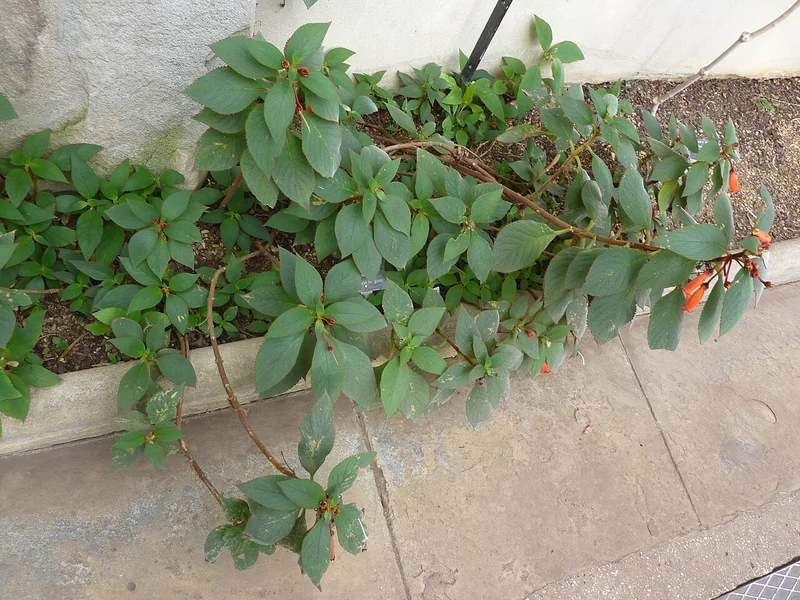
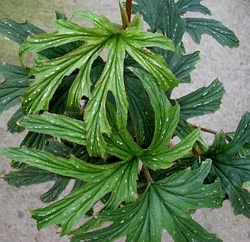
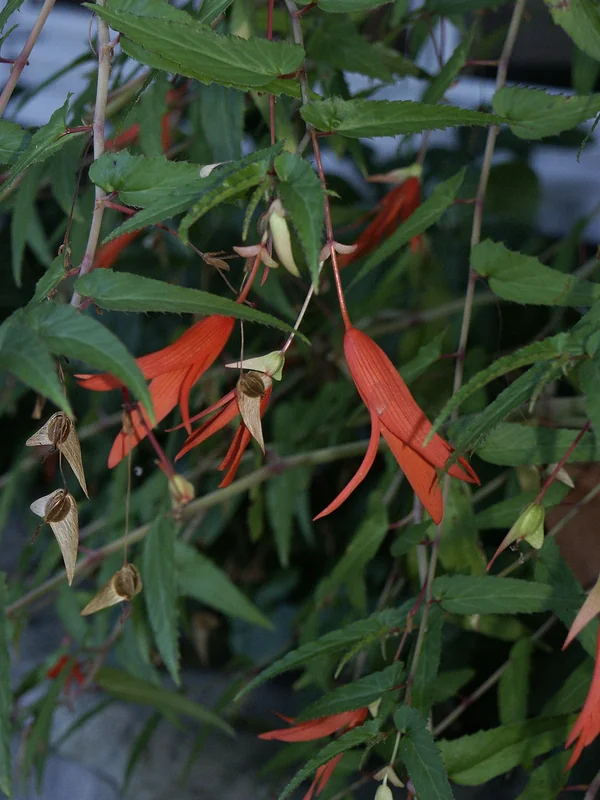
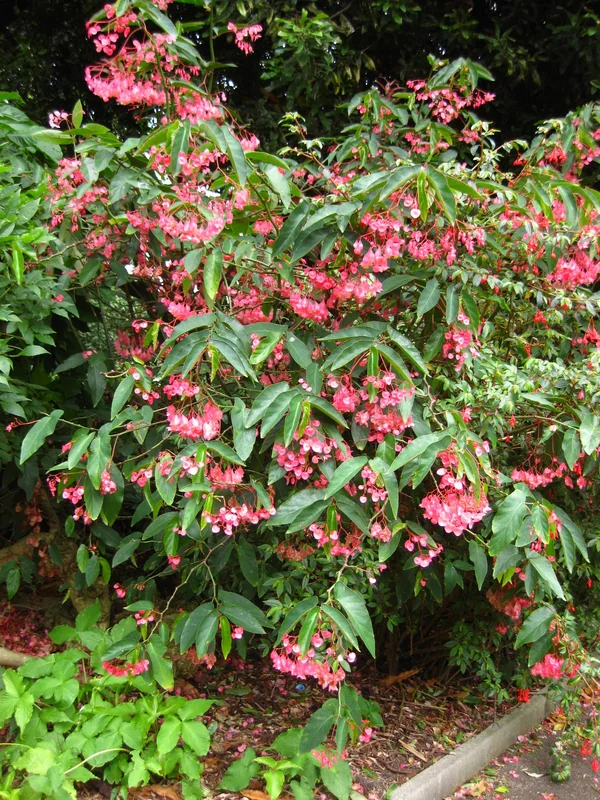
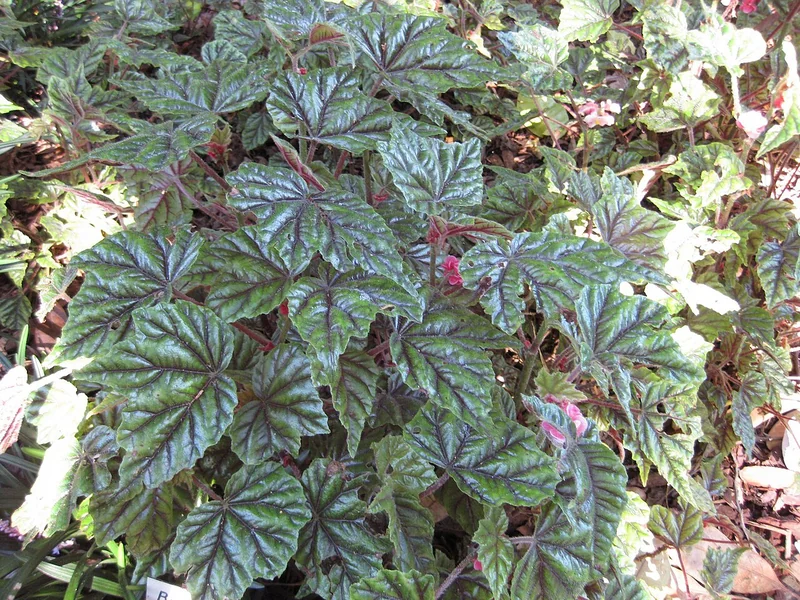
Begonia metallica is a cane-type shrub begonia from Brazil whose leaves display a dramatic metallic silver sheen over an olive to dark green surface — the optical effect caused by light-reflecting structures in the upper epidermis. The undersides are deep red. The bright pink flowers appear in clusters and contrast beautifully with the metallic foliage. It is one of the most visually striking begonias in cultivation and is easier to grow than many ornamental begonias, tolerating typical indoor conditions well.
Care facts at a glance
- Light
- Bright indirect
- Water
- Water when the top 2–3 cm of medium has dried; approximately every 7 to 10 days in summer.
- Humidity
- 50–75 %
- Temperature
- 16–28 °C
- Soil
- Well-draining, peat-free potting mix with added perlite (20%) for drainage. Slightly acidic (pH 5.5–6.5).
- Origin
- Humid forests of Bahia state, Brazil.
- Mature size
- Shrubby habit; 45–90 cm tall.
Overview
Begonia metallica W.G.Sm. was described in 1876 from Brazilian specimens. It belongs to the cane begonia group, producing upright, bamboo-like stems with regularly-spaced leaves. The metallic leaf sheen is produced by microscopic air-filled structures in the upper leaf epidermis that act as a thin-film optical reflector, creating an iridescent silver overlay. The effect is most pronounced in medium-bright light; in very strong direct sun the leaves can become scorched and lose the metallic quality. In deep shade the effect also diminishes. It has been widely used as a parent in begonia hybridisation programmes to transfer the metallic trait.
Care Priorities
- Bright, indirect light maximises the metallic sheen; avoid harsh direct sun (leaf scorch) and deep shade (sheen fades).
- Avoid overhead watering; wet leaves in poor airflow rapidly develop Botrytis and powdery mildew.
- Pinch stem tips to promote bushy growth rather than a single tall stem.
- Repot annually in spring into fresh, well-draining mix; the cane-type stems grow robustly and quickly exhaust nutrients in a small pot.
- Cut back leggy stems to 10–15 cm in spring to rejuvenate the plant.
Common Problems
Powdery mildew is the most common disease issue, especially in stagnant, humid air — improve ventilation and avoid overhead watering. Thrips damage the metallic leaf surface, leaving pale streaks and distorting new growth; treat with systemic insecticide early. Leaf drop in autumn is partially normal as the plant rests; maintain temperatures above 15 °C to minimise winter leaf loss. Leggy, etiolated growth with reduced metallic sheen indicates insufficient light; move to a brighter position.
Sources & further reading (2)
- botanical-garden — accessed 2026-05-27
- encyclopedia — accessed 2026-05-27
Frequently asked questions
Why do the leaves have a metallic appearance?
The metallic sheen is caused by microscopic air pockets in the upper leaf epidermis that act as light-interference reflectors, similar to the structural colouration seen in some butterfly wings. The effect is strongest in diffuse bright light that hits the leaf surface at an angle, revealing the silver overlay on the olive-green background.
Will it flower indoors?
Yes — B. metallica flowers reliably indoors with adequate light and regular feeding. The clusters of bright pink flowers appear from the leaf axils on established plants and persist for several weeks. Flowers are an attractive bonus to the primary appeal of the foliage.
How do I propagate it?
Stem cuttings root easily in water or moist perlite within 2–3 weeks. Take cuttings of 10–15 cm with at least 2 nodes, remove lower leaves, and root in a warm, bright position. Leaf cuttings with a section of petiole also work but are slower.