Aspidistra elatior
Cast Iron Plant Care Guide (Aspidistra elatior)
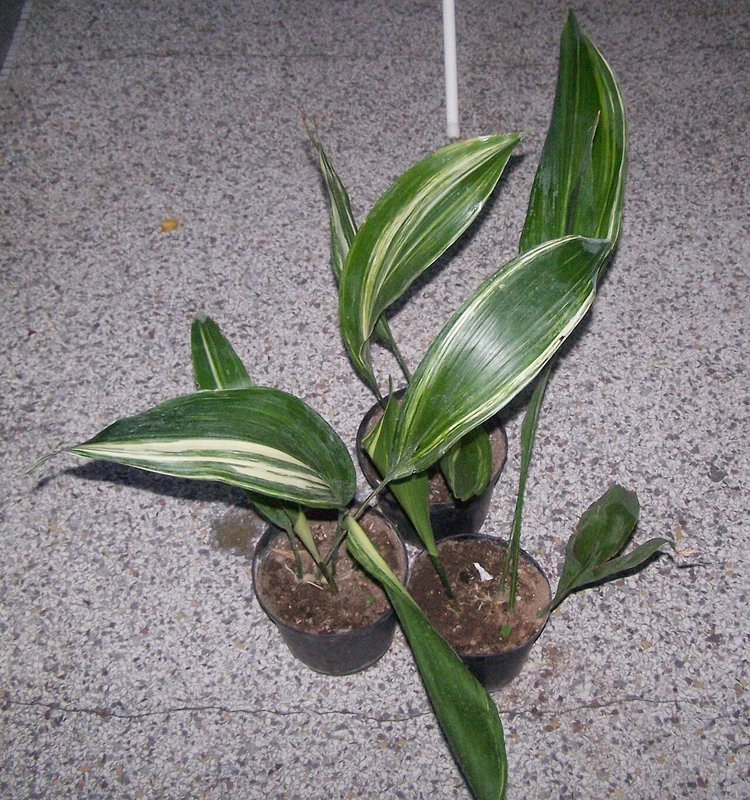 Featured photoaspidistra-elatior.jpg
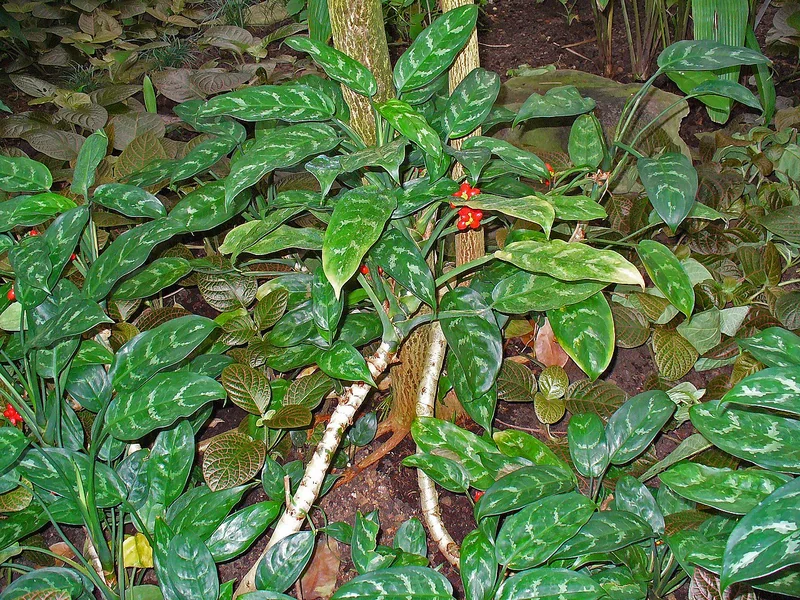
The Cast Iron Plant (Aspidistra elatior) is a remarkably tough and forgiving houseplant, earning its name for its ability to thrive in challenging conditions. It's an excellent choice for beginners or those with low-light spaces, requiring minimal attention to flourish. This plant is known for its deep green, glossy leaves that add a touch of classic elegance to any indoor setting.
Care facts at a glance
- Light
- Low light
- Water
- Water thoroughly when the top 1-2 inches of soil feel dry to the touch.
- Humidity
- 30–60 %
- Temperature
- 10–27 °C
- Soil
- Use a well-draining, all-purpose potting mix that retains some moisture but doesn't stay soggy. A mix with peat moss, perlite, and compost works well.
- Origin
- Native to the shady forest floors of Japan and Taiwan.
- Mature size
- Indoors, it typically reaches 2-3 feet (60-90 cm) in height and spread.
Overview
Aspidistra elatior, commonly known as the Cast Iron Plant, is celebrated for its incredible resilience and ability to thrive in less-than-ideal conditions. Its dark green, leathery leaves grow directly from the soil, forming a dense clump that adds a classic, understated beauty to any room. This plant is a fantastic choice for those seeking a low-maintenance yet elegant houseplant.
Care Priorities
The Cast Iron Plant's main needs are consistent, but not excessive, watering and protection from direct sunlight.
- Light: Prefers low to medium indirect light; direct sun can scorch leaves.
- Water: Allow the topsoil to dry out before watering again to prevent root rot.
- Temperature: Tolerates a wide range but prefers average room temperatures.
- Humidity: Adaptable to typical indoor humidity levels.
Common Problems
The most common issue for Cast Iron Plants is root rot, caused by overwatering. Yellowing leaves and soft stems are key indicators. Ensure proper drainage and allow the soil to dry between waterings. While generally pest-resistant, keep an eye out for spider mites or mealybugs, especially in dry conditions.
Sources & further reading (4)
- encyclopedia — accessed 2026-04-24
- dataset — accessed 2026-04-24
- botanical-garden — accessed 2024-04-24
- botanical-garden — accessed 2024-04-24
Frequently asked questions
Why is it called the Cast Iron Plant?
It earned its name due to its exceptional toughness and ability to withstand neglect, low light, and temperature fluctuations, much like cast iron.
Can Aspidistra elatior tolerate very low light?
Yes, it is one of the best houseplants for very low light conditions, making it ideal for dimly lit rooms or corners.
How often should I fertilize my Cast Iron Plant?
Fertilize sparingly, only during the spring and summer growing season, about once every 2-4 weeks with a diluted liquid fertilizer.
What causes yellow leaves on my Cast Iron Plant?
Yellow leaves are most often a sign of overwatering, which can lead to root rot. Ensure the soil dries out between waterings.