Aloe vera
Aloe vera Care Guide
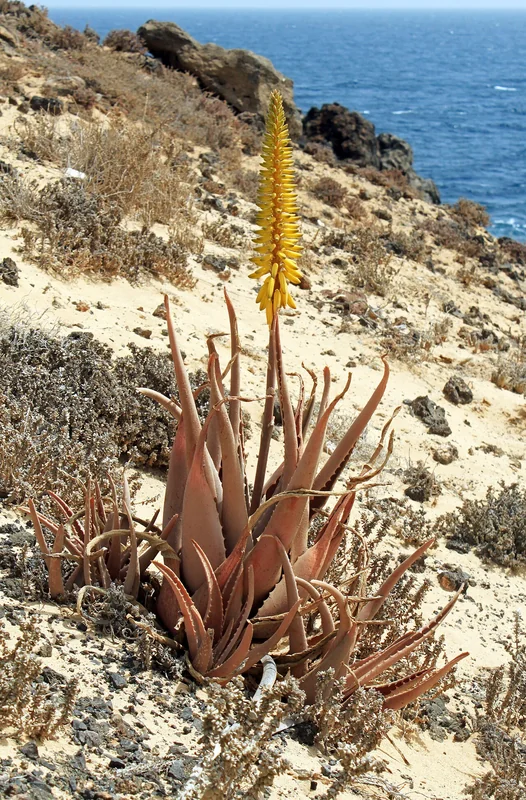 Featured photoaloe-vera.jpg
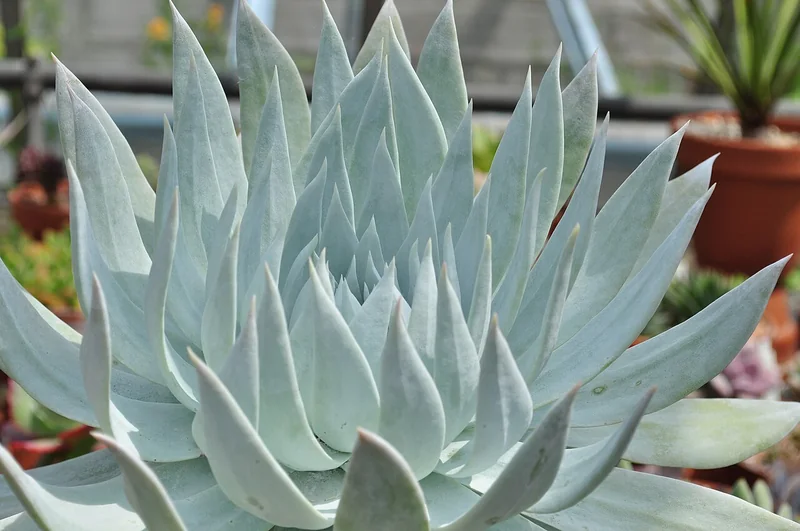
Aloe vera is a stemless or short-stemmed succulent native to the Arabian Peninsula and northeast Africa, with thick, toothed, blue-green leaves arranged in tight rosettes. It is one of the most widely cultivated indoor succulents thanks to its tolerance of bright sun, dry mix, and irregular watering. Mature plants form clumps as offsets emerge around the base.
Care facts at a glance
- Light
- Full sun
- Water
- Water deeply when the mix is fully dry; typically every 2 to 3 weeks in summer.
- Humidity
- 30–50 %
- Temperature
- 15–29 °C
- Soil
- Free-draining cactus or succulent mix with extra perlite or pumice.
- Origin
- Arabian Peninsula and northeast Africa, widely cultivated.
- Mature size
- 30 to 60 cm tall and wide.
Overview
Aloe vera is a long-cultivated species with no documented wild population — every plant in cultivation traces back to clones spread along Arabian, North African, and Mediterranean trade routes. The thick succulent leaves carry rows of small marginal teeth and store substantial water reserves, which is why mature plants tolerate weeks between waterings.
Care Priorities
- Full sun or very bright filtered light.
- Water rarely; the thick leaves store ample reserves.
- Free-draining mix; rot is the leading killer.
- Detach offsets to keep colonies tidy and propagate.
Common Problems
Mushy base is overwatering. Pale, stretched leaves are low light. Brown leaf tips are usually old age and harmless.
Sources & further reading (2)
- encyclopedia — accessed 2026-04-28
- botanical-garden — accessed 2026-04-28
Frequently asked questions
Why are the leaves curling inward?
Aloe leaves curl and dimple when the plant has gone too long without water. A deep watering followed by full drainage usually plumps the leaves back within a day or two.
Why is it dropping leaves?
Aloe rarely drops leaves. Soft, mushy leaves at the base are rot from overwatering.
How big does it get?
Mature plants reach 60 to 90 cm tall and wide. Smaller offsets emerge constantly and can be detached.