Echeveria
Echeveria Care Guide: Easy Succulent for Bright Homes
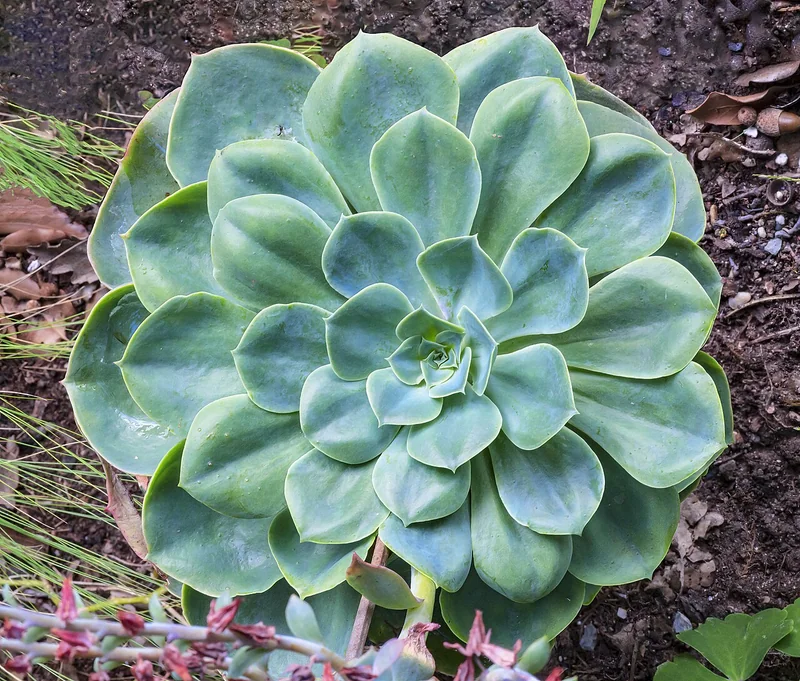 Featured photoecheveria.jpg
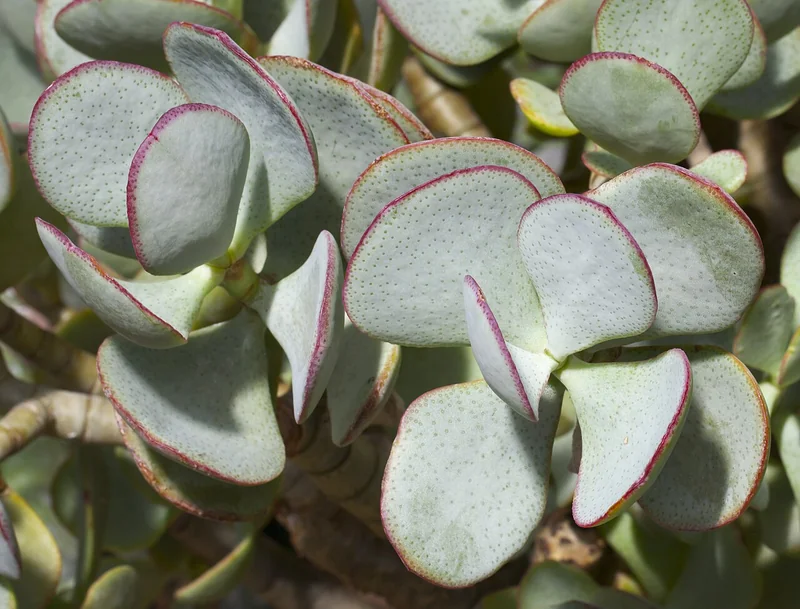
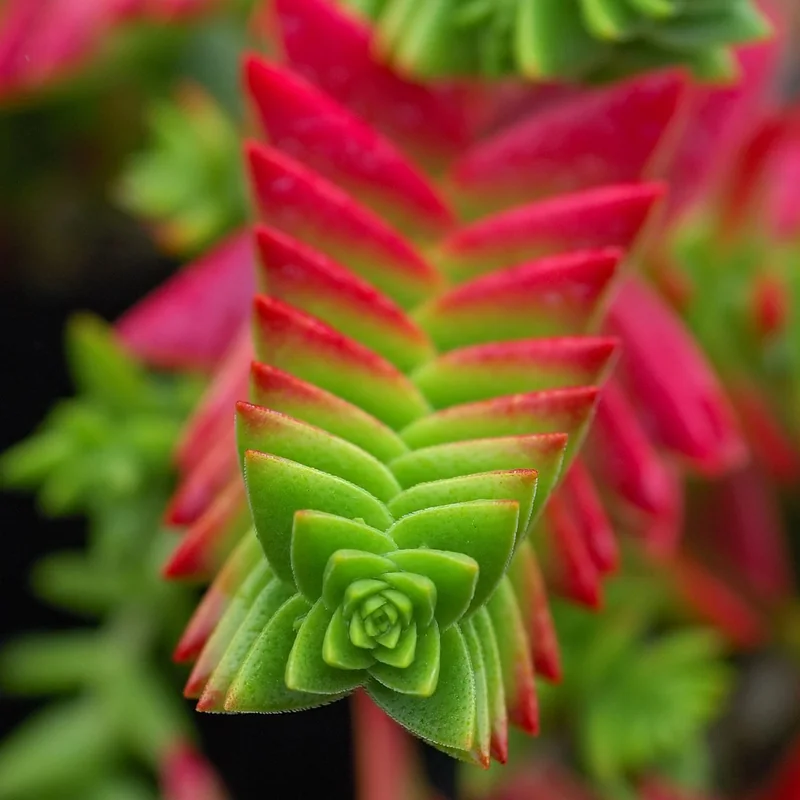
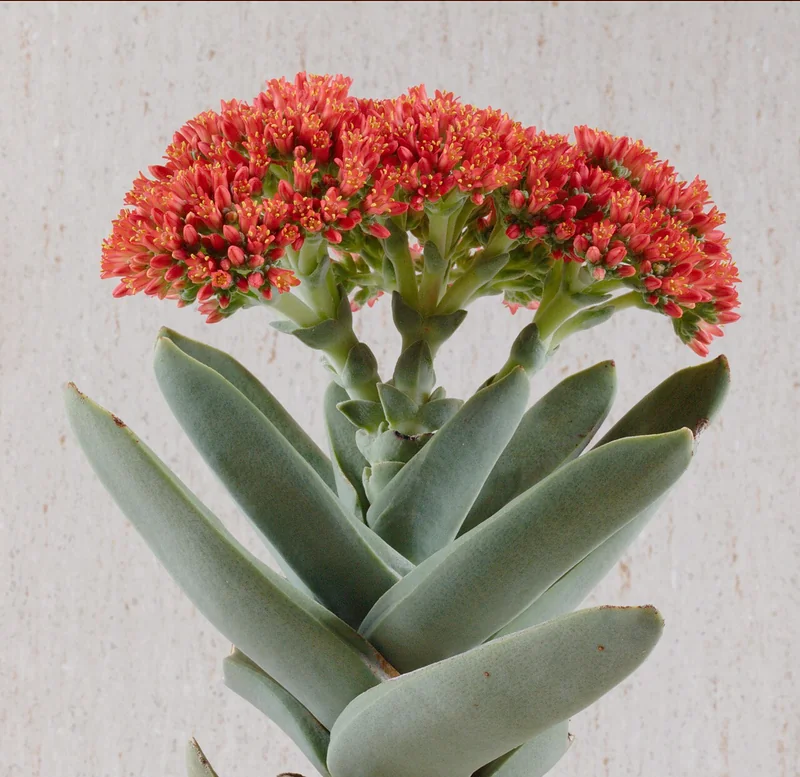
Echeveria are popular succulents known for their beautiful rosette shapes and vibrant colors. These low-maintenance plants thrive in bright light and well-draining soil, making them perfect for sunny windowsills or outdoor containers in warm climates. With proper care, Echeveria can add a touch of desert beauty to any home.
Care facts at a glance
- Light
- Full sun
- Water
- Water thoroughly only when the soil is completely dry to the touch, usually every 2-4 weeks.
- Humidity
- 30–50 %
- Temperature
- 7–27 °C
- Soil
- Use a specialized succulent or cactus potting mix that drains very quickly. Adding perlite or pumice to a standard potting mix can also improve drainage.
- Origin
- Native to semi-desert regions of Central America, Mexico, and northwestern South America.
- Mature size
- Typically forms rosettes 6-12 inches (15-30 cm) in diameter, with some species growing taller on short stems.
Overview
Echeveria are beloved succulents known for their striking rosette forms and a wide array of colors, from soft pastels to vibrant reds and purples. Originating from the arid regions of Central and South America, these plants are well-adapted to dry conditions and bright light. They are a fantastic choice for beginners due to their relatively easy care requirements.
Care Priorities
The most crucial aspects of Echeveria care are providing ample bright light and ensuring excellent drainage. Overwatering is the quickest way to kill these succulents, so always let the soil dry out completely between waterings. Protect them from frost, as they are not cold-hardy.
Common Problems
The most frequent issue Echeveria face is root rot, caused by too much water or poorly draining soil. If leaves become soft and mushy, especially at the base, it's a sign of overwatering. Insufficient light can lead to "etiolation," where the plant stretches and becomes leggy, losing its compact rosette shape.
Sources & further reading (3)
- encyclopedia — accessed 2026-04-24
- dataset — accessed 2026-04-24
- botanical-garden — accessed 2024-07-30
Frequently asked questions
Why is my Echeveria stretching out and looking leggy?
This is called etiolation and it means your plant isn't getting enough light. Move it to a brighter spot, ideally with more direct sunlight, to encourage compact growth.
How often should I water my Echeveria?
Only water when the soil is completely dry to the touch. For most indoor environments, this might be every 2-4 weeks, but always check the soil first.
Can Echeveria grow outdoors?
Yes, Echeveria can thrive outdoors in climates that don't experience frost. They prefer full sun and well-draining soil, similar to their indoor care. Bring them inside if temperatures drop below 7°C (45°F).
Why are the lower leaves on my Echeveria shriveling?
It's normal for Echeveria to shed older, lower leaves as they grow. However, if many leaves are shriveling rapidly, it could indicate underwatering. Check the soil and water if it's dry.