Cricetulus griseus
Chinese Hamster (Cricetulus griseus)
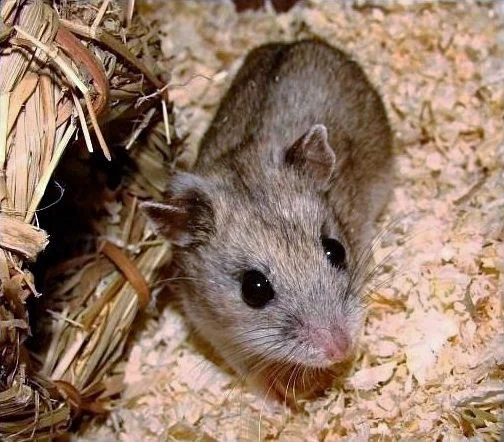 Featured photochinese-hamster.jpg
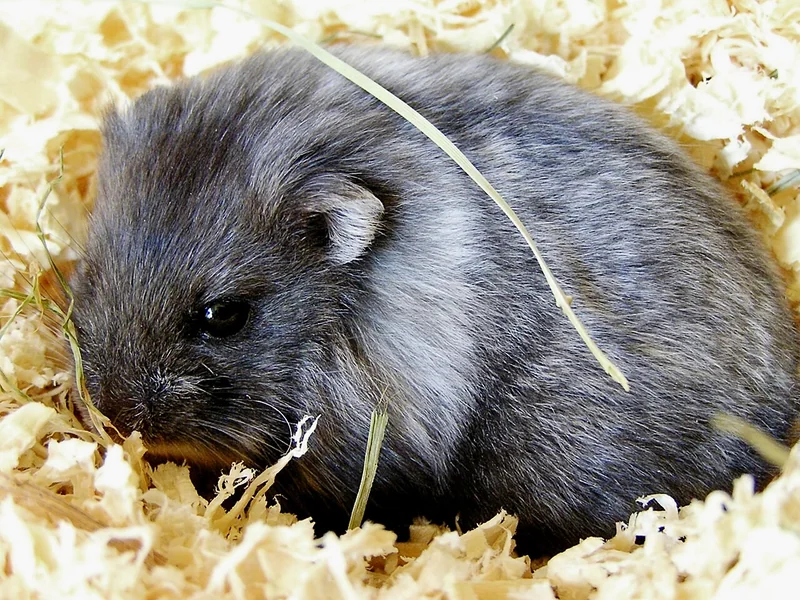
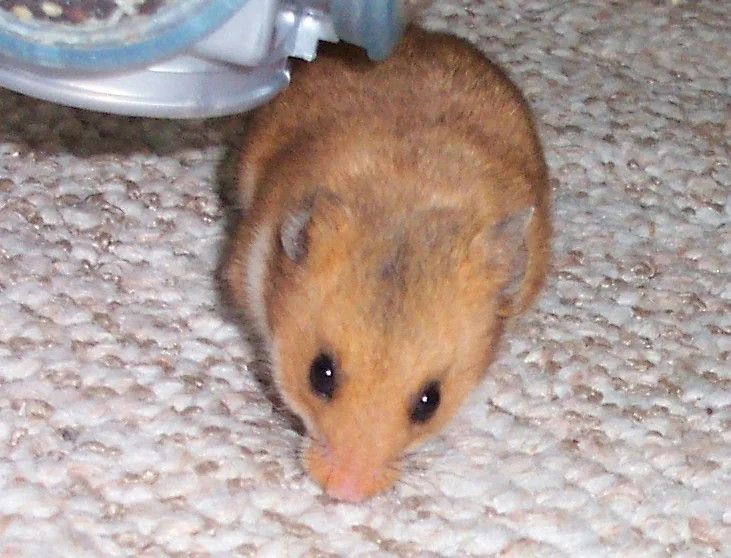
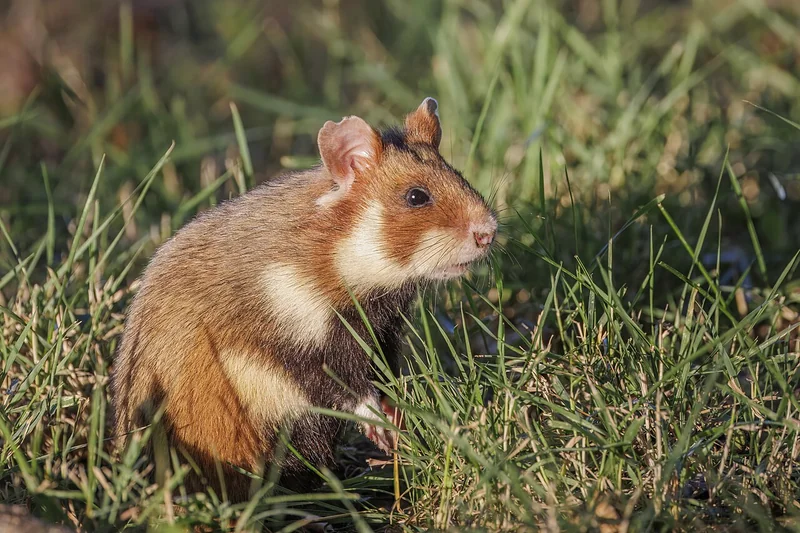
Cricetulus griseus, the Chinese striped hamster, is unique among the commonly known hamsters in retaining a visible tail (about three centimetres) and a slender, almost mouse-like body. The wild range covers northern China and Mongolia. The species is the donor of the CHO (Chinese Hamster Ovary) cell line that produces most of the world's monoclonal antibodies and recombinant therapeutic proteins; the captive pet population is genetically distant from those research lines.
Quick facts
- Lifespan
- 2–3 years
Overview
Cricetulus griseus is a slender, long-tailed Cricetinae rodent — adult body length is about ten centimetres plus a three-centimetre tail. The dorsal coat is grey-brown with a faint dark dorsal stripe; the underside is white. The genus Cricetulus is taxonomically distinct from both Mesocricetus (the Syrian) and Phodopus (the dwarves), and the visible tail and proportionally larger eyes are ancestral features the other genera have lost.
Distribution
The wild range covers northern China and Mongolia, with records extending into the Russian Far East. Habitat is steppe, semi-desert, and agricultural land — the species is sometimes regarded as a minor agricultural pest in parts of its range. The IUCN Red List assesses Cricetulus griseus as Least Concern.
CHO cell line
In 1957 the geneticist Theodore Puck established a cell line from the ovary of a single Chinese hamster at the University of Colorado. That CHO (Chinese Hamster Ovary) line and its many derivatives have become the workhorse of mammalian-cell biotechnology: most monoclonal-antibody therapeutics and recombinant proteins on the market are produced in CHO bioreactors. The pet population is genetically distant from the research lines.
Taxonomy
Cricetulus is one of several small genera in the subfamily Cricetinae. The Chinese hamster sits in a separate clade from both Mesocricetus auratus (the Syrian) and the three Phodopus dwarves. Within the genus, Cricetulus griseus is sometimes confused with Cricetulus barabensis (the striped dwarf hamster); the two have overlapping ranges in northern China and were historically lumped together.
Sources & further reading (2)
- iucn-red-list — accessed 2026-04-29
- encyclopedia — accessed 2026-04-29
Frequently asked questions
Why does the Chinese hamster have a tail when other hamsters don't?
Cricetulus is taxonomically separate from both Mesocricetus (the Syrian) and Phodopus (the dwarves). The visible tail and slim build are ancestral features the other genera have lost; Cricetulus retains them.
What is the CHO cell line?
CHO is short for Chinese Hamster Ovary — a cell line established in 1957 by Theodore Puck from a single Cricetulus griseus. CHO-derived cell lines are used to produce most of the world's monoclonal antibodies and recombinant proteins, including many therapeutic products. The pet population is genetically distant from the research lines.
Where is the species found in the wild?
Northern China and Mongolia, with records extending into the Russian Far East. Habitat is steppe, semi-desert, and agricultural land. The IUCN Red List assesses the species as Least Concern.