Canis lupus familiaris
Tosa Inu
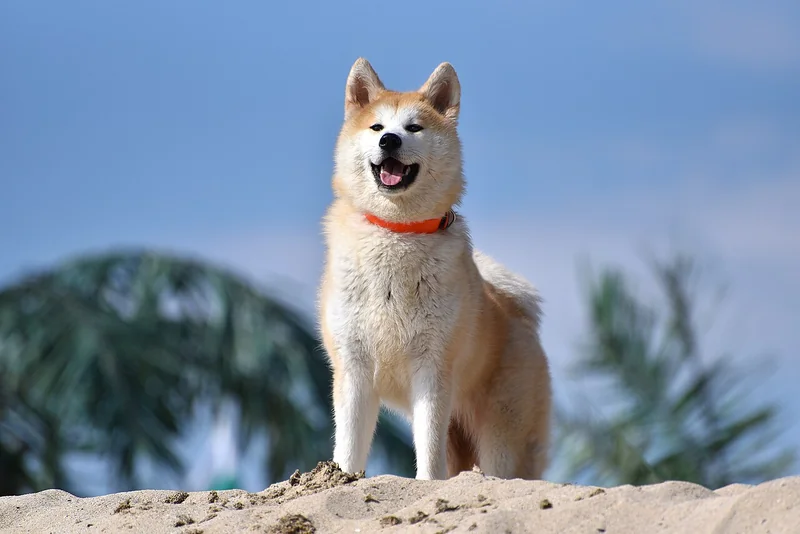
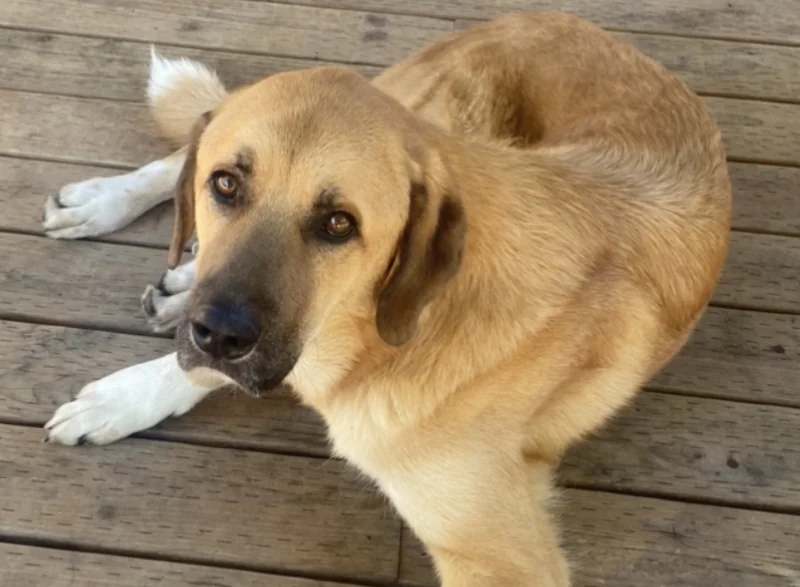
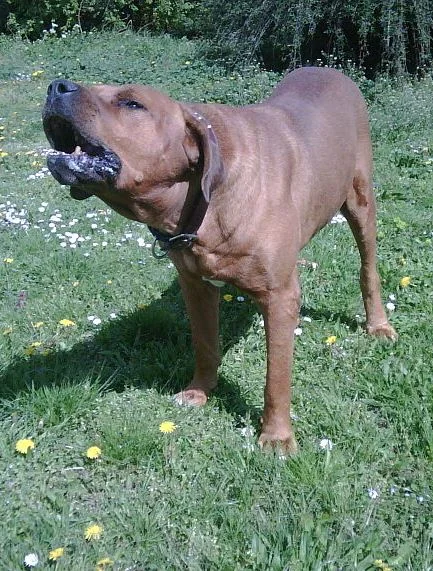 Featured phototosa-inu.jpg
The Tosa Inu is a Japanese Tosa-Province Western-cross Molossoid fighting dog — only Japanese native in the Mastiff section. The Tosa Inu was developed in late-19th-century Japan in the former Tosa Province (modern Kōchi prefecture on Shikoku island) by crossing the native Shikoku Inu fighting dog with imported Western breeds — Mastiff, Bulldog, German Pointer, Great Dane, Bull Terrier, and Saint Bernard — to produce a much larger Japanese fighting dog suited to Western-style dog-fighting.
Quick facts
- AKC group
- Working
- Origin country
- Japan (Tosa / Kōchi)
- Origin period
- Late 19th century
- Coat type
- Short
- Coat colors
- Solid Red, Fawn, Apricot, Black, Brindle
- Average lifespan
- 10-12 years
- Recognition
- FCI 1964 · UKC 1998 · Group 2 — Pinscher and Schnauzer-Molossoid breeds-Swiss Mountain and Cattle Dogs (Section 2.1: Molossoid breeds, Mastiff type)
Origin
The Tosa Inu was developed in late-19th-century Japan in the former Tosa Province (modern Kōchi prefecture on Shikoku island) during the Meiji-era opening of Japan to Western influence. Foundation crosses involved the native Shikoku Inu fighting dog (the smaller native Japanese spitz of the same Shikoku region) with imported Western breeds: English Mastiff (1872), German Pointer (1874), Bulldog (1876), Great Dane (1924), Bull Terrier (1925), and Saint Bernard (1930). The objective was a much larger Japanese fighting dog suited to Western-style dog-fighting (sumō-style fighting was the Japanese tradition). The Tosa is the only Japanese native classified in the FCI Mastiff section. Dog-fighting in Japan is now a heavily-regulated traditional ceremony rather than a popular sport, and the Tosa is heavily restricted under European dangerous-dog legislation in the United Kingdom, Germany, France, and elsewhere. The FCI registered the breed in 1964; the AKC has the breed in its Foundation Stock Service.
Recognition
the United Kennel Club followed in 1998, and the Federation Cynologique Internationale published the international standard (FCI No. 260) in 1964. The FCI assigns the breed to Group 2 — Pinscher and Schnauzer-Molossoid breeds-Swiss Mountain and Cattle Dogs (Section 2.1: Molossoid breeds, Mastiff type).
Standard
The FCI and UKC standards describe a large, dignified, and impressively-built mastiff-type Molossoid dog with a calm, courageous bearing. The defining features are the broad, well-developed head with a powerful muzzle and a slight black mask, the deep-set chest with great depth and breadth, and the short, hard, dense coat. Recognized colours are solid red, fawn, apricot, black, and brindle. Males stand 60-82 cm at the withers, females 55-75 cm — the breed shows great size variation depending on the bloodline.
Sources & further reading (2)
- encyclopedia — accessed 2026-04-30
- fci-standard — accessed 2026-04-30
Frequently asked questions
What is the Tosa Inu's AKC group?
The American Kennel Club places the Tosa Inu in the Working Group. The Working Group gathers breeds developed for jobs other than herding or hunting — guarding, draft, sled work, and water rescue — including the Boxer, Rottweiler, Saint Bernard, and Newfoundland. The breed's foundation working role was as a Japanese Tosa-Province Western-cross Molossoid fighting dog — only Japanese native in the Mastiff section.
When was the Tosa Inu officially recognized?
The United Kennel Club followed in 1998; the Federation Cynologique Internationale published the international standard (FCI No. 260) in 1964.
What is the average lifespan of a Tosa Inu?
Kennel-club longevity surveys place the Tosa Inu's average lifespan in the 10-12 years range. The figure here represents the spread reported by the major parent-club studies and the Kennel Club (UK) purebred-dog health surveys.