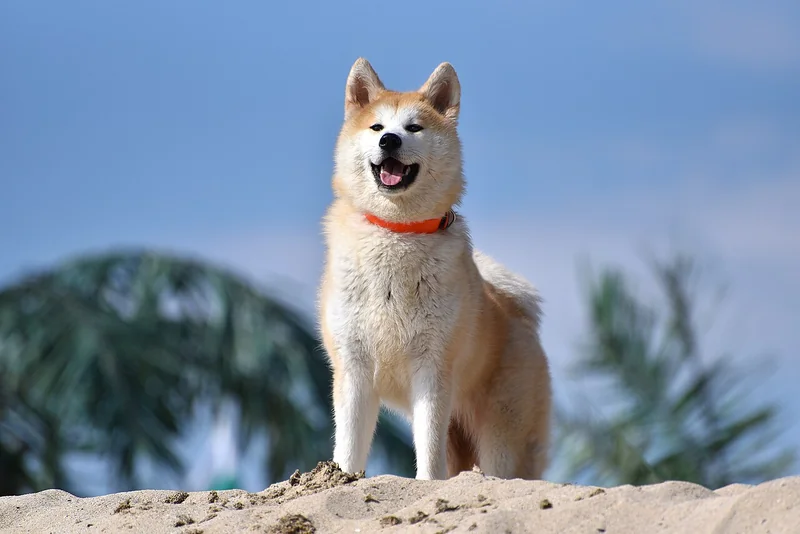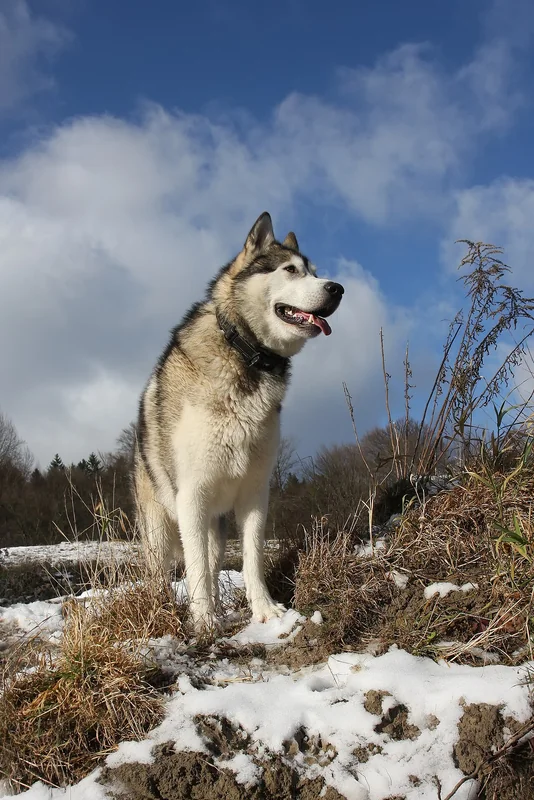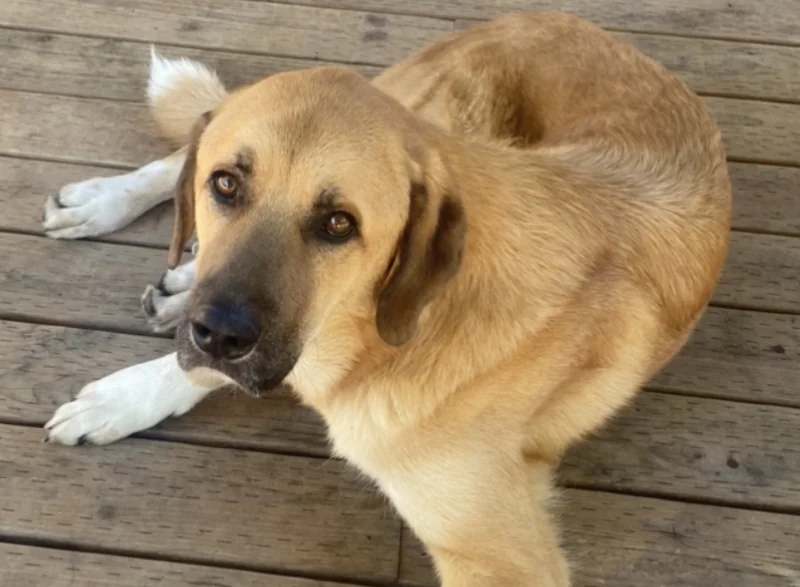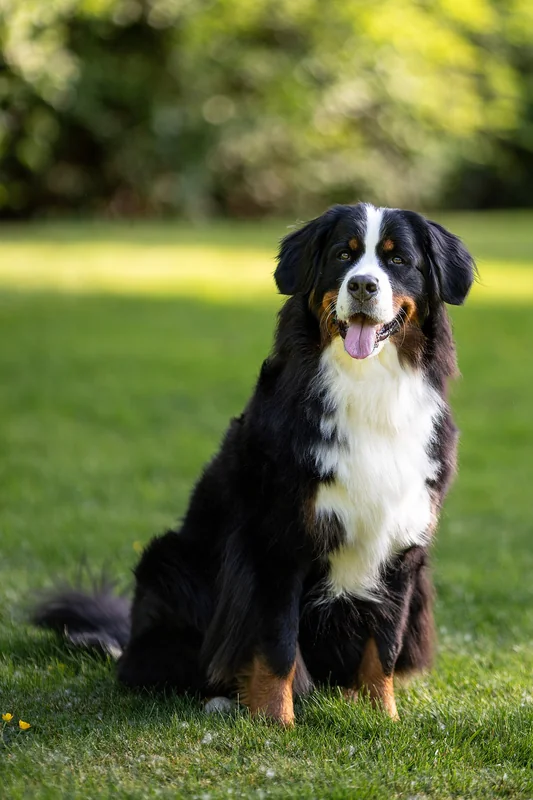
The Newfoundland is a giant Newfoundland water-rescue dog — Lewis and Clark's expedition companion Seaman. The Newfoundland is a giant water-working dog developed on the island of Newfoundland from the 17th century onward, used by local fishermen to retrieve nets and rescue drowning sailors from the cold North Atlantic.
Quick facts
- AKC group
- Working
- Origin country
- Canada (Newfoundland)
- Origin period
- 17th-18th century (formalized 19th century)
- Coat type
- Long
- Coat colors
- Black, Brown, Grey, Landseer (White and Black)
- Average lifespan
- 9-10 years
- Recognition
- AKC 1886 · FCI 1955 · UKC 1934 · Group 2 — Pinscher and Schnauzer-Molossoid breeds-Swiss Mountain and Cattle Dogs (Section 2.2: Molossoid breeds, Mountain type)
Origin
The Newfoundland is a giant water-working dog developed on the island of Newfoundland (a British colony from 1583 to 1907 and now a Canadian province) from the 17th century onward, with foundation lines uncertain but probably involving the indigenous dogs of the island, possibly Tibetan Mastiff stock, and the European working breeds (mastiff, water-dog) brought by Portuguese, French, and English fishermen. The breed was used by local fishermen to retrieve nets, pull longboats, and rescue drowning sailors from the cold North Atlantic; the breed is famously credited with rescuing Napoleon Bonaparte during his 1815 escape from Elba and Lewis and Clark relied on a Newfoundland named Seaman during their 1804-1806 expedition across the American continent. The Kennel Club registered the breed in 1878 and the AKC followed in 1886. A black-and-white-coated variety, called Landseer after Sir Edwin Landseer's 1838 painting A Distinguished Member of the Humane Society, is recognized as a separate breed by the FCI but as a coat colour by the AKC.
Recognition
The American Kennel Club admitted the breed in 1886, the United Kennel Club followed in 1934, and the Federation Cynologique Internationale published the international standard (FCI No. 50) in 1955. The FCI assigns the breed to Group 2 — Pinscher and Schnauzer-Molossoid breeds-Swiss Mountain and Cattle Dogs (Section 2.2: Molossoid breeds, Mountain type).
Standard
The AKC and FCI standards describe a massive, deep-bodied, well-muscled, coordinated dog with great size and substance, possessed of a sweet disposition. The defining features are the great size, the heavy bone, the broad skull with kindly expression, and the flat, water-resistant double coat. The coat is moderately long, full, of medium texture, with the outer coat coarse, oily, and dense, and a soft, dense undercoat. Recognized colours are black, brown, grey, and Landseer (white-and-black). Webbing between the toes is a breed-defining adaptation to the water-working role. Males stand 71-74 cm at the withers, females 63-69 cm.
Sources & further reading (3)
- kennel-club-registry — accessed 2026-05-04
- encyclopedia — accessed 2026-05-04
- fci-standard — accessed 2026-05-04
Frequently asked questions
What is the Newfoundland's AKC group?
The American Kennel Club places the Newfoundland in the Working Group. The Working Group gathers breeds developed for jobs other than herding or hunting — guarding, draft, sled work, and water rescue — including the Boxer, Rottweiler, Saint Bernard, and Newfoundland. The breed's foundation working role was as a giant Newfoundland water-rescue dog — Lewis and Clark's expedition companion Seaman.
When was the Newfoundland officially recognized?
The American Kennel Club admitted the breed in 1886; the United Kennel Club followed in 1934; the Federation Cynologique Internationale published the international standard (FCI No. 50) in 1955.
What is the average lifespan of a Newfoundland?
Kennel-club longevity surveys place the Newfoundland's average lifespan in the 9-10 years range. The figure here represents the spread reported by the major parent-club studies and the Kennel Club (UK) purebred-dog health surveys.