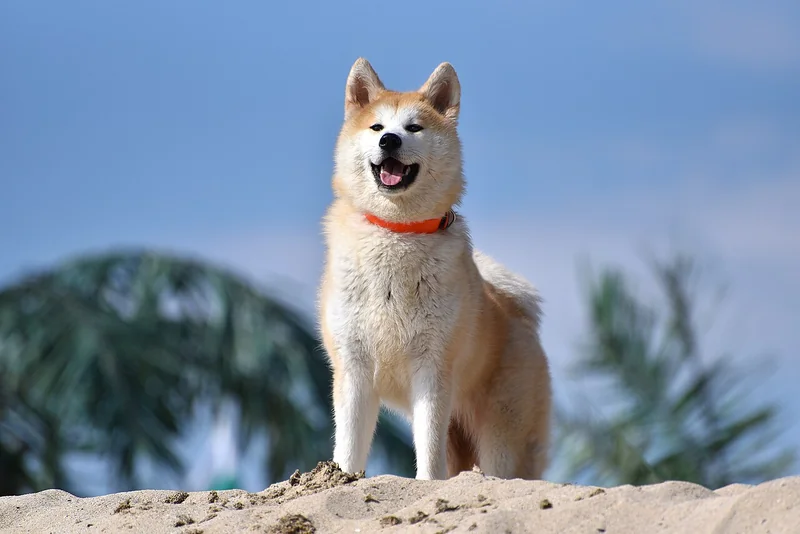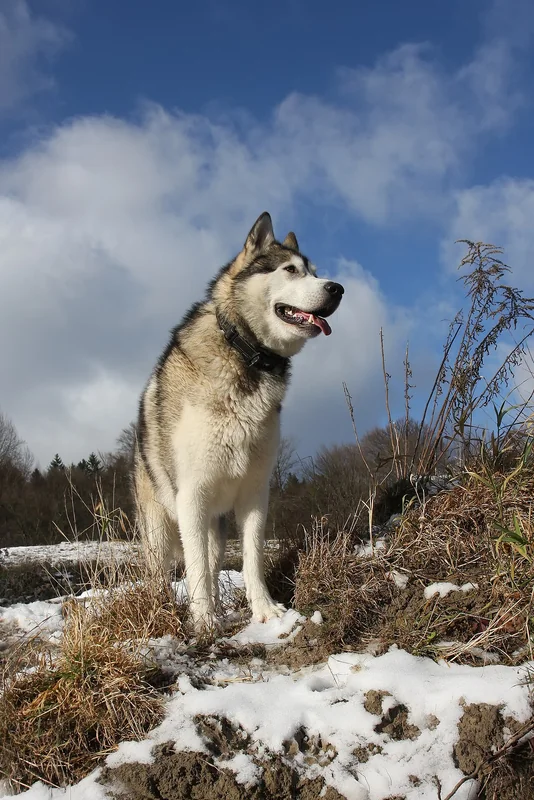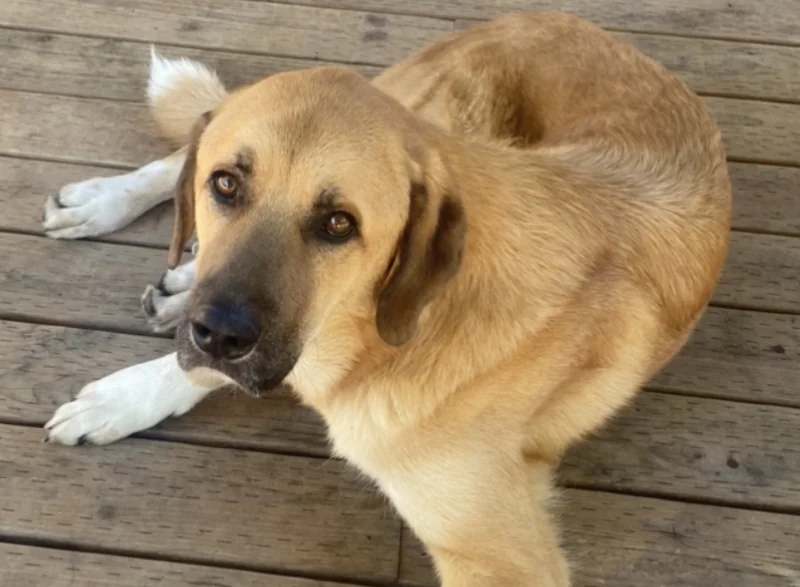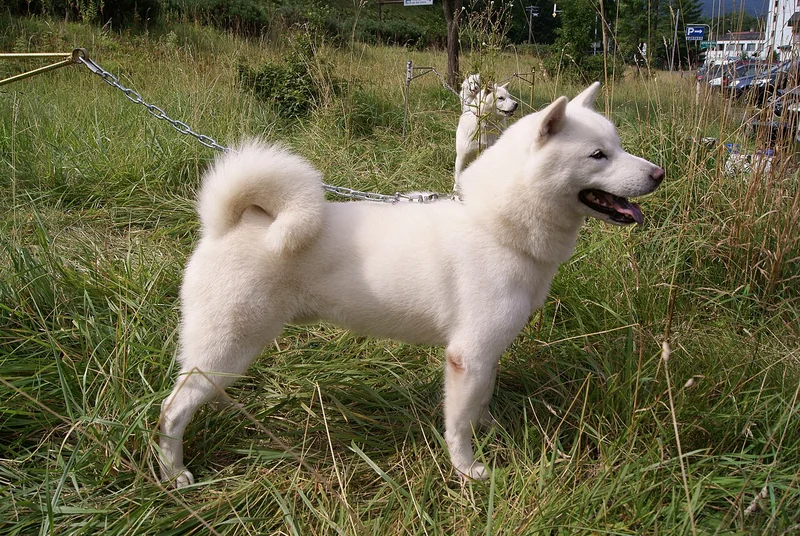
The Hokkaido Inu is a Ainu-people brown-bear hunting Spitz of northern Japan — one of six native Japanese breeds. The Hokkaido Inu (also called Ainu Ken after the indigenous Ainu people of northern Japan) is one of the six native Japanese spitz breeds and was kept by the Ainu people of Hokkaido and Sakhalin for at least 1,000 years as a hunter of bear, wild boar, and deer in the cold northern Japanese forests.
Quick facts
- AKC group
- Working
- Origin country
- Japan (Hokkaido)
- Origin period
- Pre-modern (formalized 1937)
- Coat type
- Double
- Coat colors
- Red, Sesame, Brindle, Black, Black-and-Tan, White
- Average lifespan
- 11-13 years
- Recognition
- FCI 1964 · UKC 2007 · Group 5 — Spitz and Primitive Types (Section 5: Asian Spitz and related breeds)
Origin
The Hokkaido Inu (also called Ainu Ken after the indigenous Ainu people of northern Japan and Sakhalin) is one of the six native Japanese spitz breeds (alongside the Akita, Shiba, Kai, Kishu, and Shikoku) and was kept by the Ainu people of Hokkaido and Sakhalin for at least 1,000 years as a hunter of Hokkaido brown bear, wild boar, and Hokkaido deer in the cold northern Japanese forests. The breed was traditionally trained for the kuma matagi (bear hunt) — multiple Hokkaidos would surround a treed brown bear and bay until the hunter arrived. The breed was designated a Japanese natural monument by the Hokkaido Dog Preservation Society in 1937 and is one of the most endangered of the Japanese natives, with fewer than 12,000 dogs registered worldwide. The AKC has the breed in its Foundation Stock Service but has not granted full recognition.
Recognition
the United Kennel Club followed in 2007, and the Federation Cynologique Internationale published the international standard (FCI No. 261) in 1964. The FCI assigns the breed to Group 5 — Spitz and Primitive Types (Section 5: Asian Spitz and related breeds).
Standard
The FCI and UKC standards describe a medium-sized, well-balanced, sturdy spitz-type dog with strong bones and well-developed muscles. The defining features are the small triangular pricked ears, the curled tail carried over the back, and the distinctive face — the breed has a slightly broader skull than the smaller Shiba and a black tongue or tongue with black markings (a trait shared with the Chow Chow). The thick double coat consists of a soft dense undercoat under a stiff, straight outer coat. Recognized colours are red, sesame, brindle, black, black-and-tan, and white. Males stand 49-56 cm at the withers, females 46-52 cm.
Sources & further reading (2)
- encyclopedia — accessed 2026-04-30
- fci-standard — accessed 2026-04-30
Frequently asked questions
What is the Hokkaido Inu's AKC group?
The American Kennel Club places the Hokkaido Inu in the Working Group. The Working Group gathers breeds developed for jobs other than herding or hunting — guarding, draft, sled work, and water rescue — including the Boxer, Rottweiler, Saint Bernard, and Newfoundland. The breed's foundation working role was as a Ainu-people brown-bear hunting Spitz of northern Japan — one of six native Japanese breeds.
When was the Hokkaido Inu officially recognized?
The United Kennel Club followed in 2007; the Federation Cynologique Internationale published the international standard (FCI No. 261) in 1964.
What is the average lifespan of a Hokkaido Inu?
Kennel-club longevity surveys place the Hokkaido Inu's average lifespan in the 11-13 years range. The figure here represents the spread reported by the major parent-club studies and the Kennel Club (UK) purebred-dog health surveys.