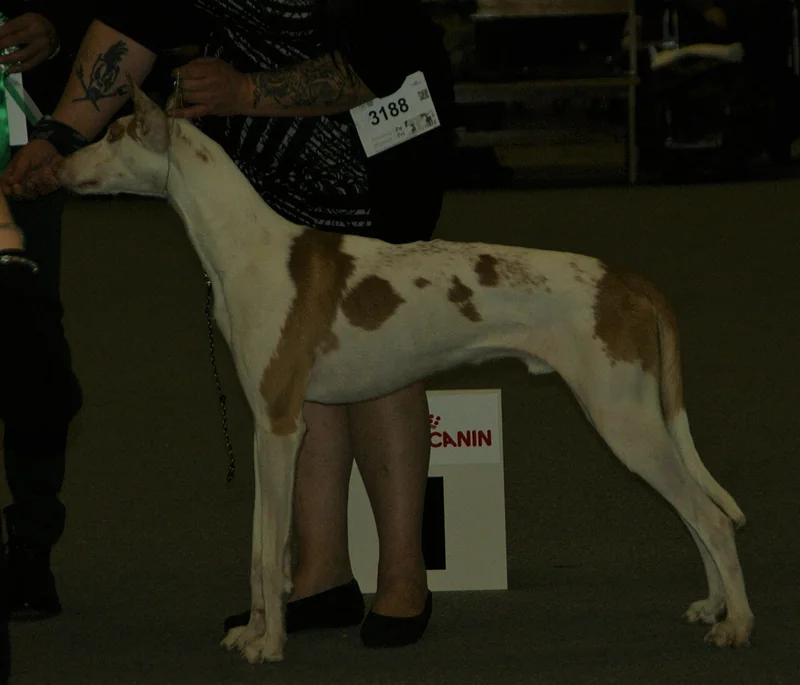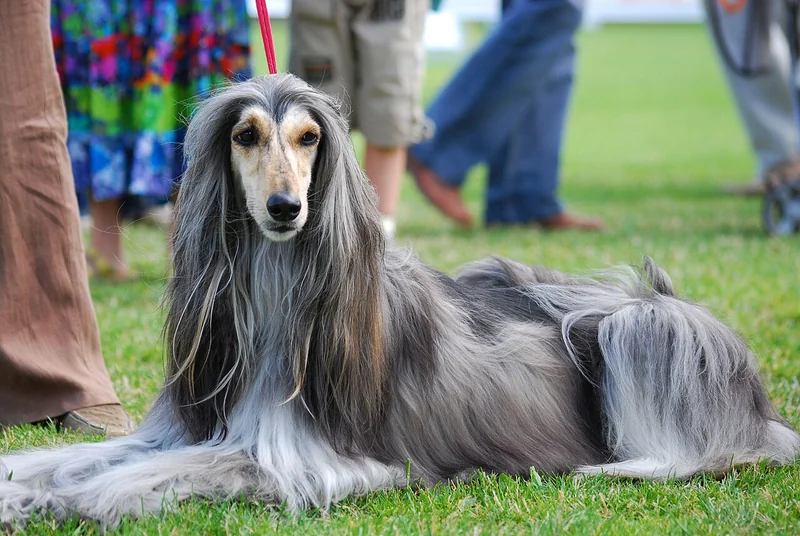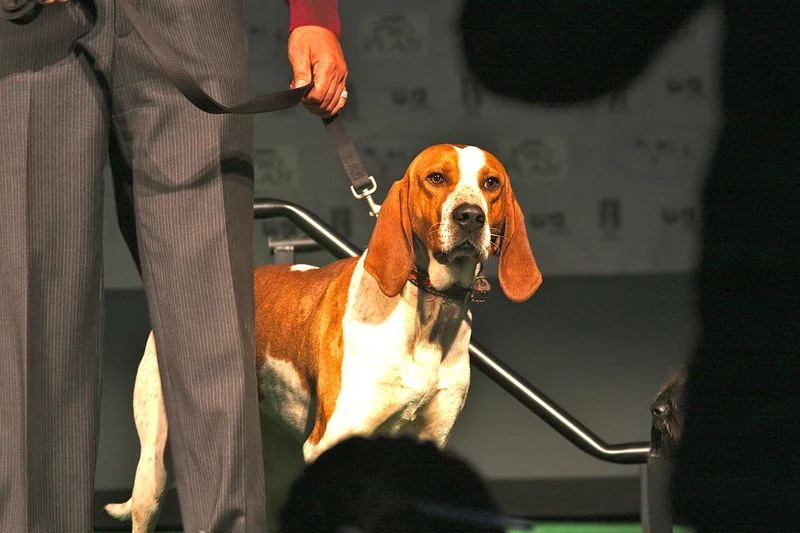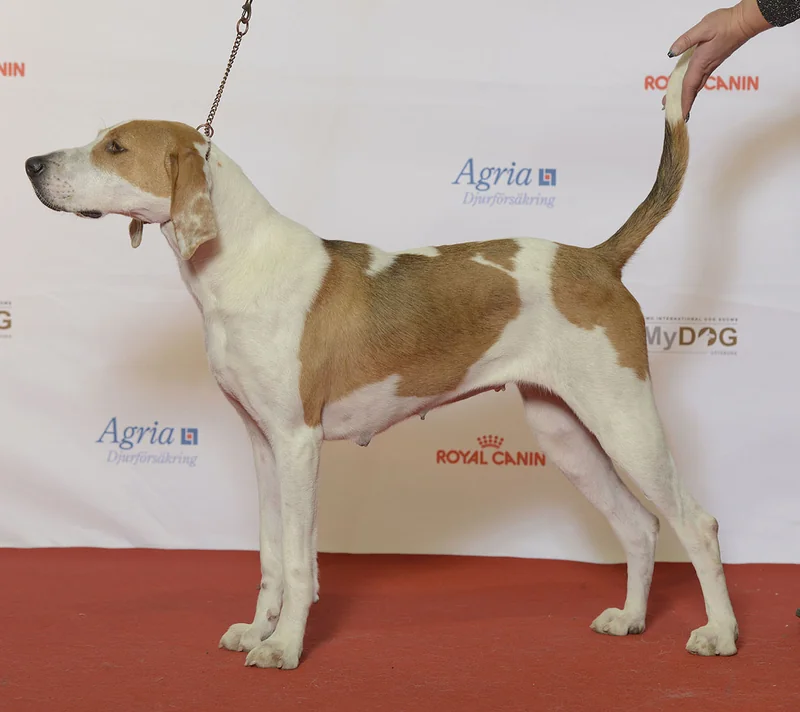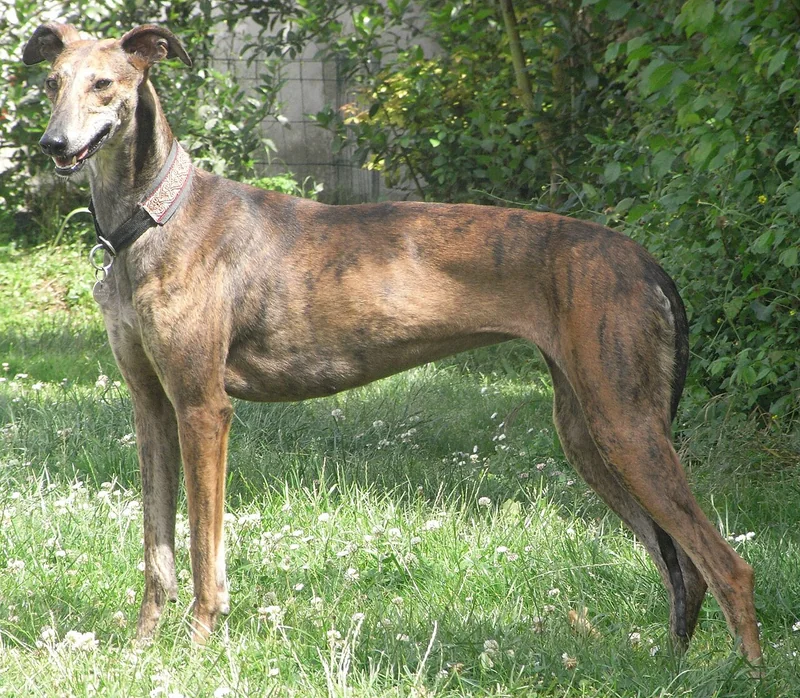
The Galgo Español is a large, lean Spanish sighthound of ancient lineage, used on the Iberian Peninsula for coursing hare since at least Roman times. The breed descends from the ancient Tesem-type hounds of Egypt and the Middle East, likely reaching Spain through Phoenician and later Roman trade routes. The FCI registers the Galgo Español as No. 285 under Spain's patronage. Males stand 62–70 cm and are distinctively leaner and longer-backed than the Greyhound.
Quick facts
- AKC group
- Hound
- Origin country
- Spain
- Origin period
- Ancient, documented from Roman era
- Coat type
- Short
- Coat colors
- Brindle, Black, Fawn, Red, Chestnut, White, Parti-colour
- Average lifespan
- 12-14 years
- Recognition
- FCI 1974 · Group 10 — Sighthounds (Section 3: Short-haired Sighthounds)
Origin
The name 'Galgo' is derived from 'Gallaecia' — the Roman province encompassing modern Galicia and northern Portugal — where long-legged coursing hounds were well documented from the 2nd century AD. The Greek writer Arrian describes such dogs in his 'Cynegeticus' (c. AD 130) as 'Galatian' or 'Celtic hounds', and Roman hunting mosaics from Hispania depict lean, prick-eared sighthound types. The Moorish courts of al-Andalus maintained coursing traditions for hare and rabbit with the Galgo from the 8th through the 15th century. Gonzalo Argote de Molina's 1582 'Libro de la Montería' provides a detailed early-modern account of Galgo coursing.
Recognition
The Real Sociedad Canina de España standardised the Galgo Español and submitted documentation to the FCI, which registered the breed under standard No. 285 in 1974, classifying it in Group 10 — Sighthounds, Section 3 (Short-haired Sighthounds) with Spain as patron country. The breed is not currently recognised by the AKC or UKC. The Galgo is distinguished from the English Greyhound by a somewhat longer back, less angulated hindquarters, a rose ear rather than semi-erect, and a wider permitted colour range.
Standard
The FCI standard describes a large, lean, and dry-built sighthound with a long, narrow head, small folded ears, and a deep, flat chest. The build is noticeably longer from point of shoulder to root of tail than the Greyhound — a distinguishing feature in the ring. The short, smooth coat shows in a wide variety of colours including brindle (the most traditional), black, fawn, red, chestnut, white, and parti-colour. Males stand 62–70 cm and weigh 20–30 kg; the breed should appear lean and muscular rather than gaunt.
Sources & further reading (3)
- fci-standard — accessed 2026-05-27
- encyclopedia — accessed 2026-05-27
- kennel-club-registry — accessed 2026-05-27
Frequently asked questions
How does the Galgo Español differ from the Greyhound?
The Galgo Español is generally longer in the back, lighter in build, and less angulated in the hindquarters than the English Greyhound. The Galgo has a flatter, more elongated rib cage, a slightly heavier head, and smaller, more folded ears. Historically the Galgo was coursed primarily over the flat Spanish meseta for hare rather than on the dedicated coursing greens of the English tradition. The two breeds are registered as separate FCI standards: Greyhound (FCI No. 158) in Group 10 Section 3 and Galgo Español (FCI No. 285) in the same section.
Is the Galgo Español AKC recognised?
The Galgo Español is not currently recognised by the AKC or UKC. The FCI has recognised the breed since 1974 under standard No. 285, with Spain as patron country. The breed has a passionate following in Spain and increasing interest in the United States and Europe, partly driven by adoption advocacy for retired coursing Galgos.
What does 'Galgo' mean?
The name Galgo derives from the Latin 'Gallaecia', the Roman province in northwestern Iberia (modern Galicia and northern Portugal), where long-legged coursing hounds were prominently documented in Roman literature. The word 'galgo' in modern Spanish is the general term for a sighthound or greyhound-type dog. The name therefore reflects both geographic origin and functional type.