Canis lupus familiaris
Drever
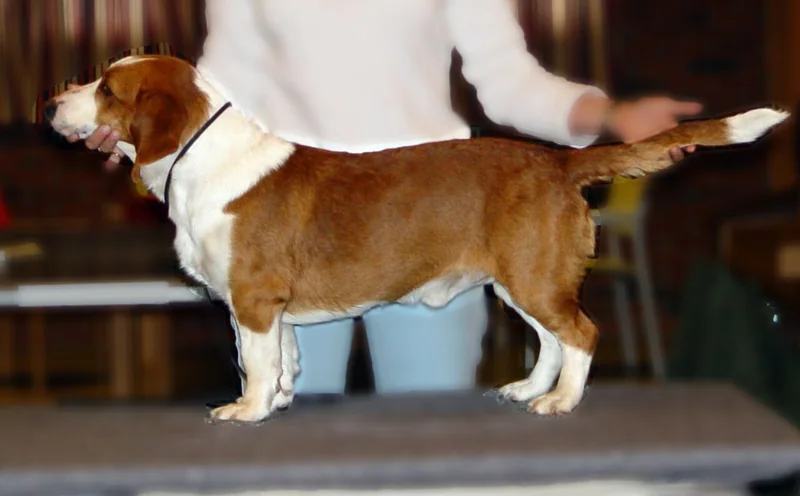 Featured photodrever.jpg
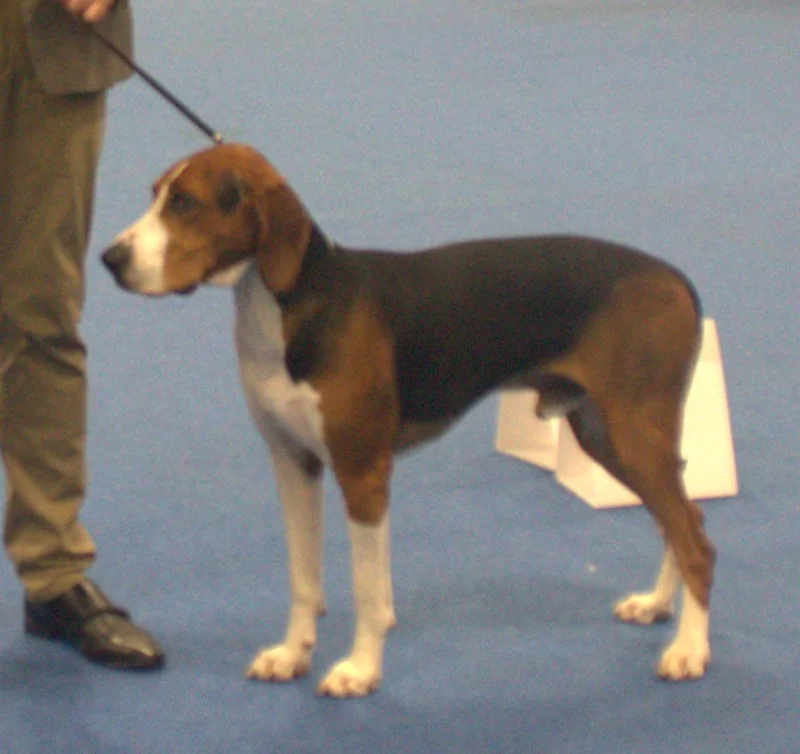
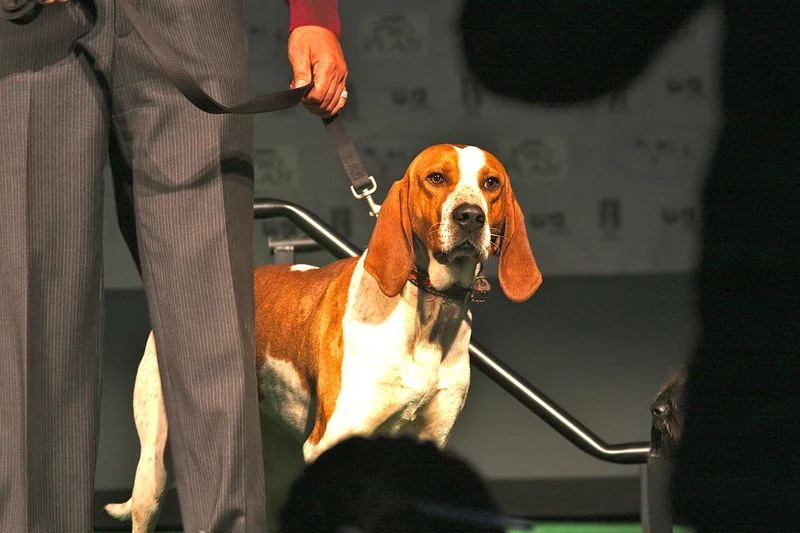
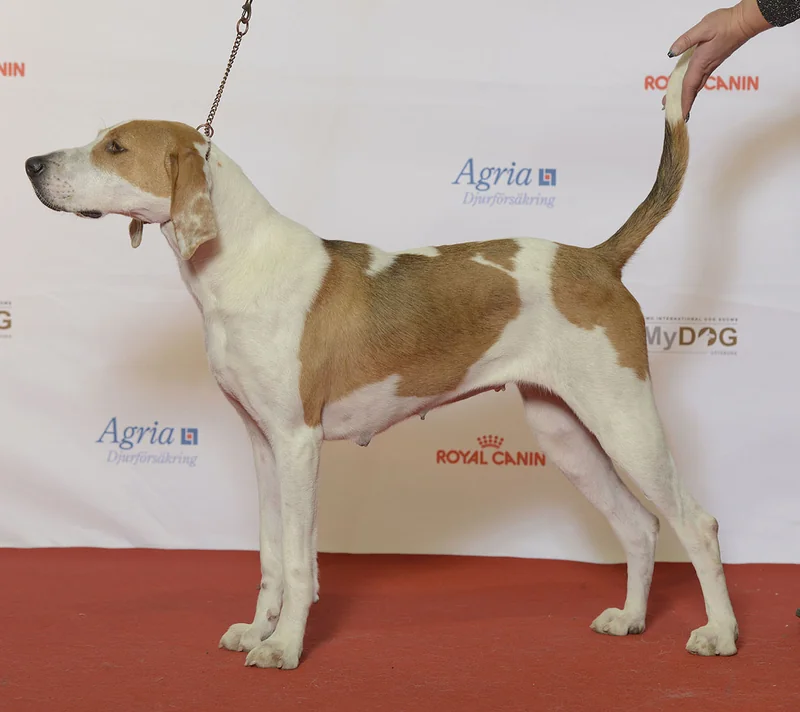
The Drever is a short-legged, long-bodied Swedish scenthound bred in the early 20th century from imported Westphalian Dachsbracke stock that was developed in Sweden as a specialist deer-driving dog. The breed is one of the most popular hunting dogs in Sweden and ranks among the most registered breeds by the Swedish Kennel Club. The FCI registers it as No. 130 under Sweden's patronage. Males stand approximately 30–38 cm.
Quick facts
- AKC group
- Hound
- Origin country
- Sweden
- Origin period
- Early 20th century (recognised 1947)
- Coat type
- Short
- Coat colors
- All colours except pure white — with white markings required on head, neck, chest, legs, and tail tip
- Average lifespan
- 12-14 years
- Recognition
- FCI 1953 · Group 6 — Scenthounds and Related Breeds (Section 1.3: Small-sized Hounds)
Origin
The Drever derives from Westphalian Dachsbracke dogs exported from Germany to Sweden in the first decade of the 20th century. Swedish hunters immediately recognised the value of a short-legged, persistent scenthound for the Scandinavian style of deer hunting, where the aim is to drive deer slowly in a circle rather than push them out of the forest altogether. Over approximately forty years, Swedish breeders refined the imported stock — selecting for temperament, working style, and a robust constitution suited to Swedish winters — until the population was considered sufficiently distinct from the German Dachsbracke to warrant recognition as a separate breed.
Recognition
In 1947 the Swedish Kennel Club (SKK) organised a naming competition for the breed; the winning entry 'Drever' was chosen, derived from the Swedish 'drev' (a hunting drive where game is driven toward shooters). The SKK officially recognised the breed the same year. The FCI registered the Drever under standard No. 130 in 1953, placing it in Group 6 — Scenthounds and Related Breeds (Section 1.3: Small-sized Hounds) with Sweden as patron country. The breed is not currently recognised by the AKC.
Standard
The FCI standard describes a small to medium-sized, longer-than-tall dog with short legs, a long body, and a straight, strong back. The coat is short, dense, and close-lying. All colours are permissible except pure white; white markings must be present on the head (blaze), neck, chest, feet, and tail tip — these are required by the standard. Males stand approximately 30–38 cm at the withers. The breed's short legs and long body are not considered a defect but a functional trait for slow, persistent trailing close to the ground.
Sources & further reading (3)
- fci-standard — accessed 2026-05-27
- encyclopedia — accessed 2026-05-27
- kennel-club-registry — accessed 2026-05-27
Frequently asked questions
What is a Drever used for?
The Drever is used primarily for driving deer — specifically roe deer — toward hunters in the Scandinavian 'driven hunt' style. The dog's short legs cause it to trail game more slowly than taller hounds, which prevents deer from being pushed out of the hunting area. The Drever also hunts hare and fox. It is one of the most popular hunting breeds in Sweden.
Where does the name 'Drever' come from?
The name Drever was chosen in a naming competition organised by the Swedish Kennel Club in 1947. It derives from the Swedish word 'drev', meaning a hunting drive — a collective hunt in which game is driven toward stationary shooters. This working method is central to the breed's purpose and is reflected directly in its name.
How is the Drever related to the Dachshund?
The Drever and the Dachshund are not directly related, though both share short-legged, long-bodied builds. The Drever was developed from the Westphalian Dachsbracke — a German short-legged hound bred for trailing game in heavy cover — rather than from the Dachshund, which belongs to a separate hound lineage. The Dachsbracke type is a pack-hunting scenthound; the Dachshund was bred as an earth dog for flushing badger.