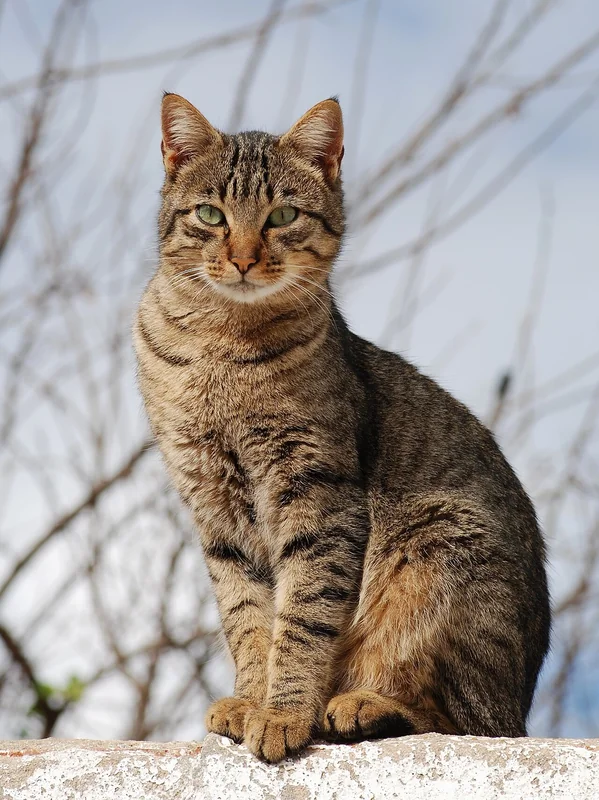
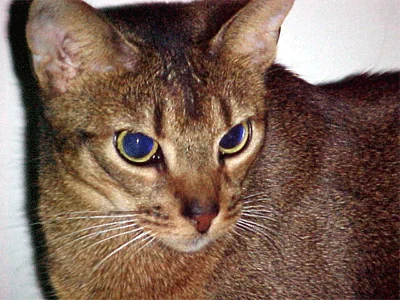
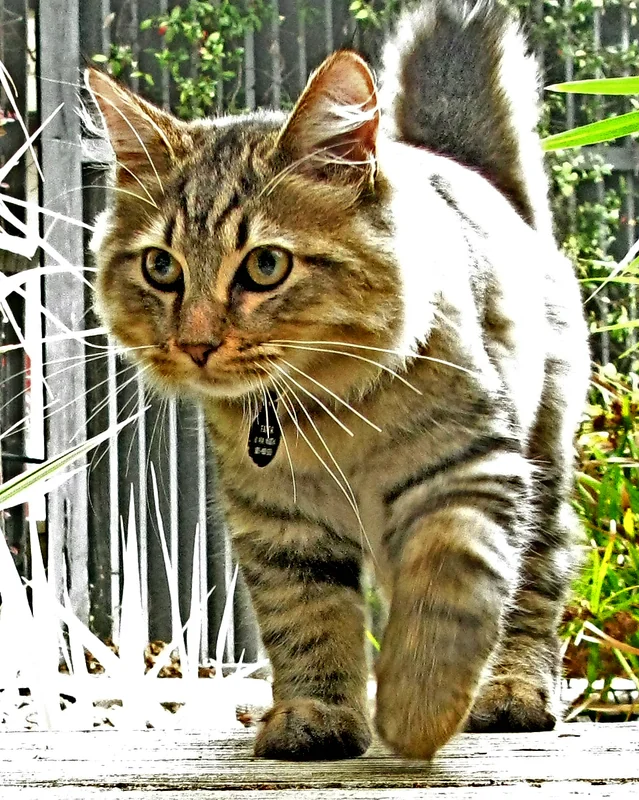
Felis catus
Tasman Manx
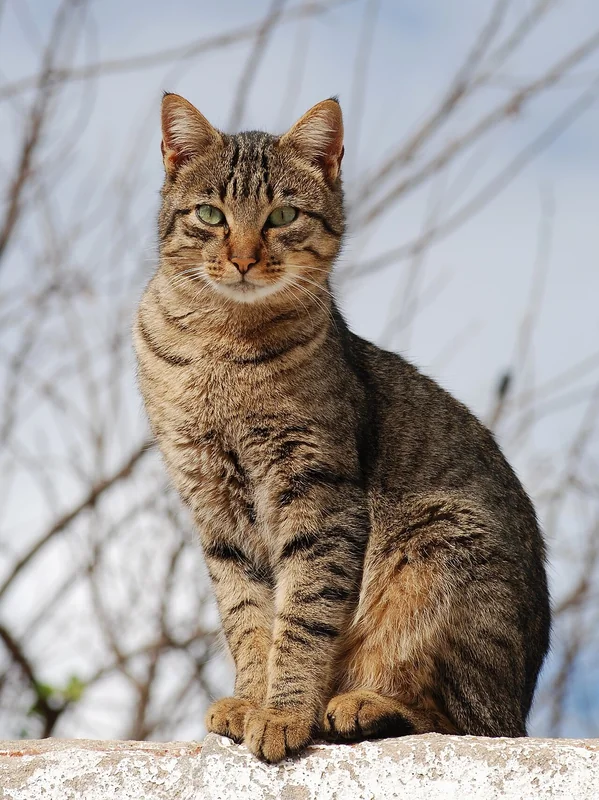 Featured phototasman-manx.jpg
The Tasman Manx is a New Zealand-developed bobtail cat derived from short-tailed and tailless cats kept in New Zealand, related to the Manx but developed as a separate line. Breeders working with Manx-type cats in New Zealand established the Tasman Manx as a distinct name for their breeding population, seeking to create a bobtail cat with the Manx type but from New Zealand-maintained lines. The breed is not recognized by major international registries.
Quick facts
- Origin country
- New Zealand
- Origin period
- Developed from Manx-type cats in New Zealand; breeding programs 20th century
- Coat type
- Short
- Coat colors
- All colors and patterns accepted
- Size category
- Medium
- Average lifespan
- 9-13 years
- Recognition
- —
Origin
Manx-type cats (short-tailed and tailless) were brought to New Zealand by British settlers in the 19th century. Over subsequent generations, New Zealand breeders maintained and developed these cats in relative isolation from the main Isle of Man and British Manx breeding programs. The name Tasman Manx was adopted by some breeders and New Zealand registries to distinguish the New Zealand-developed population from the internationally recognized Manx breed. The Tasman Sea, which separates New Zealand from Australia, provided the geographic reference for the name.
Manx Tail Types
Like the standard Manx, the Tasman Manx occurs in the same range of tail lengths produced by the Manx dominant mutation: Rumpy (completely tailless), Rumpy-Riser (small rise of bone at the tail base), Stumpy (short, kinked tail of variable length), and Longy (near-normal or normal tail length). All tail types can occur in a single litter. Rumpy cats are most prized in show competition. The same health concerns associated with the Manx mutation (Manx Syndrome, affecting the spinal cord and associated with the Ml homozygous form) apply to the Tasman Manx.
Standard
The Tasman Manx standard follows the general Manx type: a round, cobby cat with a rounded head, round eyes, and a double-coated plush coat. The rump is notably rounded when viewed from behind; the hind legs are notably longer than the front legs, giving the cat a characteristic bunny-like gait. All coat colors and patterns are accepted. The standard is essentially the same as the Manx; the Tasman Manx distinction is primarily in its New Zealand breeding history rather than a divergent physical standard.
Sources & further reading (2)
- encyclopedia — accessed 2026-05-07
- registry-breed-profile — accessed 2026-05-07
Frequently asked questions
How does the Tasman Manx differ from the Manx?
The Tasman Manx follows the same physical standard as the Manx and carries the same tail mutation. The distinction is primarily in breeding history: the Tasman Manx refers to Manx-type cats developed in New Zealand from locally maintained lines rather than from the Isle of Man or internationally registered Manx breeding programs. New Zealand registries treat them as a locally identified population; major international registries recognize the Manx.
What is Manx Syndrome?
Manx Syndrome is a congenital condition that can affect Manx and Tasman Manx cats, arising when a cat inherits two copies of the Manx tail mutation (homozygous). Homozygous Manx cats (ML/ML) do not survive; Manx Syndrome refers to the spinal cord and urinary/digestive problems that can affect even heterozygous cats with severe spinal shortening. Not all tailless Manx cats develop the condition; it is most common in severely shortened spines.
Is the Tasman Manx recognized internationally?
The Tasman Manx is recognized by some New Zealand cat registries as a New Zealand-developed Manx-type breed. Major international registries (CFA, TICA, GCCF, FIFe) recognize the Manx but do not maintain separate Tasman Manx registrations. New Zealand breeders of Tasman Manx cats who wish to exhibit internationally typically do so under the Manx breed class.