Felis catus
Seychellois Longhair
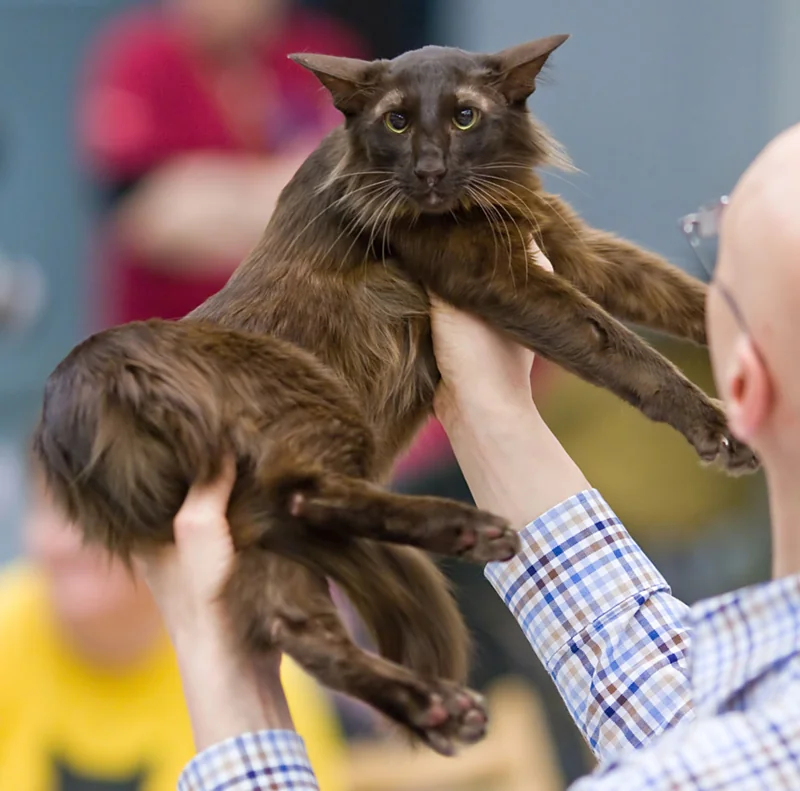
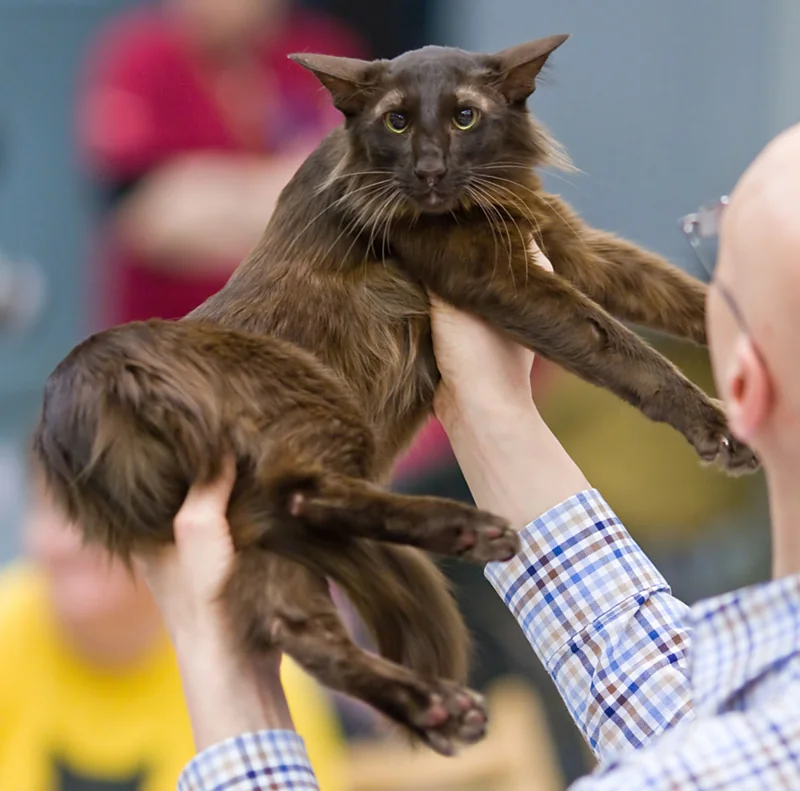
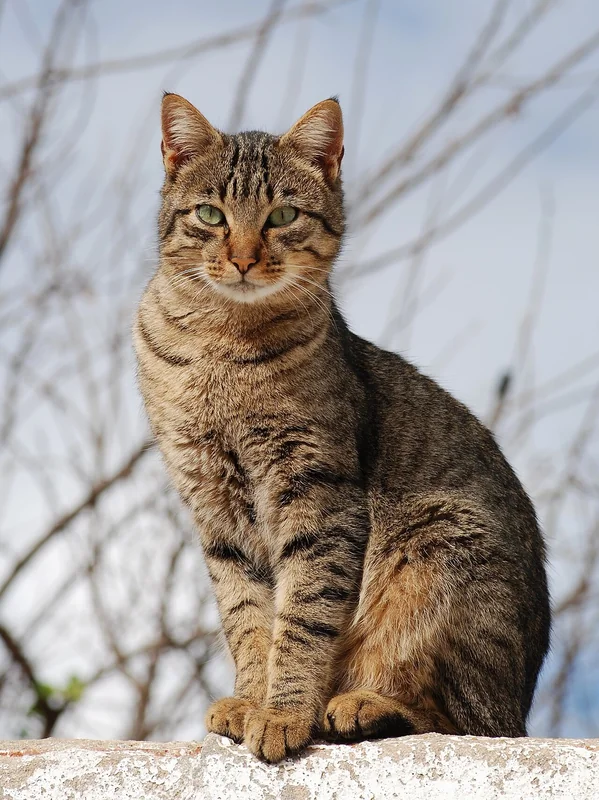 Featured photoseychellois-longhair.jpg
The Seychellois Longhair is the semi-longhaired form of the Seychellois breed, developed in the UK through crosses of Persians and Siamese to produce cats with the distinctive Seychellois pattern: a predominantly white body with colored patches and pointing. GCCF recognizes both the shorthaired Seychellois and the semi-longhaired form. Both variants display the same highly individualized white-with-color pattern and Oriental-type conformation.
Quick facts
- Origin country
- United Kingdom
- Origin period
- Developed from Seychellois program 1980s; GCCF recognition
- Coat type
- Long
- Coat colors
- White with colored patches and points, Blue-cream and white, Tortoiseshell and white (various colors), All pointed pattern overlaid on bicolor
- Size category
- Medium
- Average lifespan
- 12-15 years
- Recognition
- GCCF 1993
Origin
The Seychellois breed was created in the 1980s in the United Kingdom by Patricia Turner, the same breeder responsible for developing the Foreign White. Turner crossed Persians, Bi-Colour Persians, and Siamese to produce cats with a predominantly white body covered with colored patches (from the piebald spotting gene) plus pointed coloring (from the Siamese ancestry). GCCF evaluated the breed and recognized both the shorthaired Seychellois and the semi-longhaired Seychellois Longhair. The longhaired form inherits its coat length from the Persian component of the breeding program.
The Seychellois Pattern
The defining characteristic of the Seychellois breed is the unique combination of piebald spotting and pointing: the cat is predominantly white with colored patches on the body and limbs, plus the temperature-restricted darker coloring of the pointed pattern on the extremities (face, ears, legs, tail). The pattern is unique to each individual cat because of the variable expression of the piebald spotting gene. GCCF recognizes three grades of Seychellois pattern based on the proportion of color to white: Neuvieme (least white), Huitieme (more white), and Septieme (most white).
Appearance
The Seychellois Longhair is a medium-sized, elegant cat of Oriental type. The head is a moderate to long wedge; ears are large and wide-set; eyes are almond-shaped and vivid blue. The body is slender, muscular, and long. The semi-long coat is silky and flows naturally without the dense undercoat of a full longhaired breed; it requires less grooming than a Persian coat. The tail is a flowing plume. The coat pattern of white with colored patches and points is the breed's primary identifying feature.
Sources & further reading (2)
- gccf-registry — accessed 2026-05-07
- encyclopedia — accessed 2026-05-07
Frequently asked questions
What is the Seychellois pattern?
The Seychellois pattern combines two genetic traits: piebald spotting (producing a predominantly white body with colored patches) and pointing (temperature-restricted coloring of the face, ears, legs, and tail from Siamese ancestry). The result is a cat with a white body, colored patches distributed in various quantities, and darker pointed coloring on the extremities. The pattern is unique to each individual because of piebald spotting's variable expression.
How does the Seychellois Longhair differ from the shorthaired Seychellois?
The Seychellois Longhair has a semi-long, silky coat rather than the close-lying short coat of the standard Seychellois. Both forms share the same Seychellois pattern, Oriental-type conformation, and GCCF recognition. The coat length difference comes from the Persian ancestry that introduced the long-hair recessive gene into the Seychellois breeding program.
Where did the name Seychellois come from?
Breeder Patricia Turner named the breed after the cats of the Seychelles Islands, which display similar piebald-spotted and multi-colored patterns in their feral and domestic populations. The name does not indicate that the breed is native to the Seychelles; it was developed entirely in the United Kingdom. The reference is to the visual resemblance of the pattern to naturally occurring piebald-spotted cats of the Indian Ocean islands.