Felis catus
British Longhair
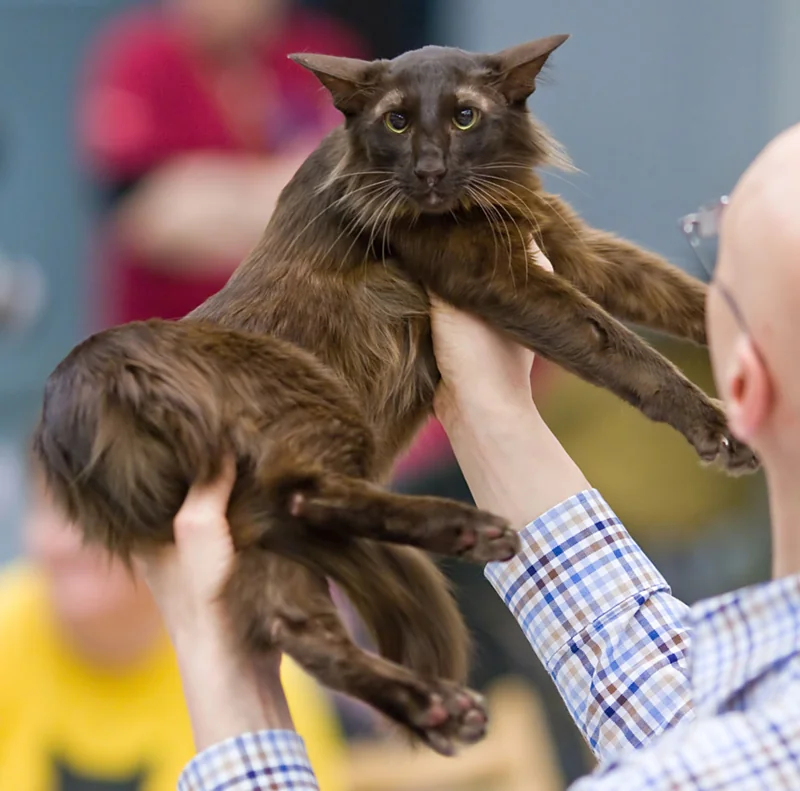
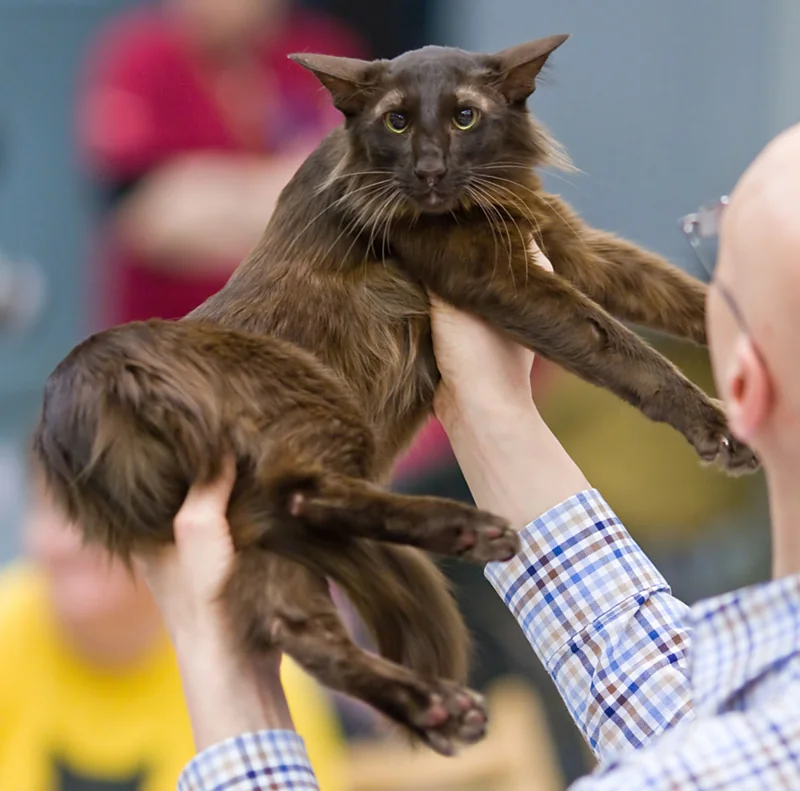
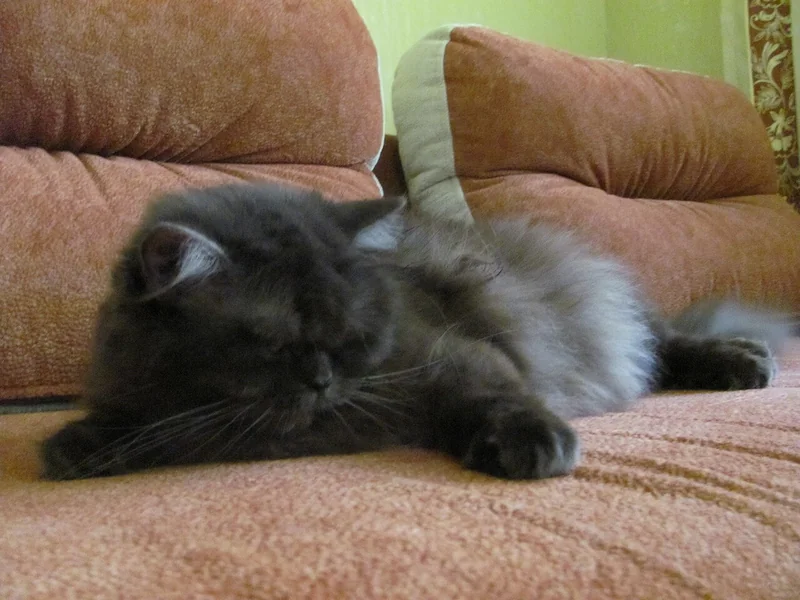 Featured photobritish-longhair.jpg
The British Longhair is the long-haired counterpart to the British Shorthair, recognized as a separate breed by FIFe in 2009 and by various national registries thereafter. Long-haired offspring appeared regularly in British Shorthair litters following the post-WWII Persian outcrosses used to consolidate the breed; the recessive longhair gene persisted through subsequent generations. FIFe granted championship status in 2009. CFA, GCCF, and TICA continue to treat long-haired offspring as British Shorthair variants without separate breed status.
Quick facts
- Origin country
- United Kingdom
- Origin period
- Long-haired British Shorthair lineage from post-WWII Persian outcrosses; FIFe championship 2009
- Coat type
- Long
- Coat colors
- British Blue, Solid Black, Solid White, Solid Cream, Solid Red, Tabby variants, Bicolor, Tortoiseshell, Calico, Smoke, Silver, Colorpoint
- Size category
- Medium
- Average lifespan
- 12-17 years
- Recognition
- FIFe 2009
Origin
The British Longhair is the long-haired sister breed to the British Shorthair. Long-haired kittens appeared regularly in British Shorthair litters following the post-WWII Persian outcrosses used to rebuild depleted British Shorthair breeding stock. The recessive longhair gene (l) introduced through those outcrosses has persisted in British Shorthair breeding lines for decades. For most of the 20th century these long-haired kittens were registered as British Shorthair variants without championship eligibility.
Recognition
FIFe granted the British Longhair championship status as a separate breed in 2009 — the first major international registry to do so. The World Cat Federation and several national registries followed FIFe's lead. The Cat Fanciers' Association continues to treat long-haired British Shorthair offspring as breed variants rather than as a separate breed. The Governing Council of the Cat Fancy similarly does not maintain a separate British Longhair championship register.
Standard
The FIFe standard describes the British Longhair as conforming to the British Shorthair standard in all respects except coat length. The body is compact, well-balanced, and powerful with a broad chest, short strong legs, and a thick tail with a rounded tip. The head is round and massive with full cheeks. The coat is medium-long, dense, and stands away from the body — distinct from the British Shorthair's short crisp coat but lacking the Persian's flowing length. All British Shorthair colour divisions are recognized.
Sources & further reading (3)
- fife-standard — accessed 2026-04-30
- encyclopedia — accessed 2026-04-30
- registry-standard — accessed 2026-04-30
Frequently asked questions
Is the British Longhair a separate breed from the British Shorthair?
FIFe recognizes the British Longhair as a separate breed since 2009. CFA, GCCF, and TICA generally treat long-haired British Shorthair offspring as breed variants rather than as a separate championship breed. The two breeds share the same body type and standard except for coat length.
When was the British Longhair recognized?
FIFe granted championship status in 2009. The World Cat Federation and several national registries followed. CFA, GCCF, and TICA do not maintain separate British Longhair championship registers.
How does the British Longhair coat differ from the Persian?
The British Longhair has a medium-long, dense coat that stands away from the body — fuller than the British Shorthair but shorter and less flowing than the Persian. The body type is the British Shorthair's compact, cobby conformation rather than the Persian's heavily-boned brachycephalic type.