Felis catus
Burmilla Longhair
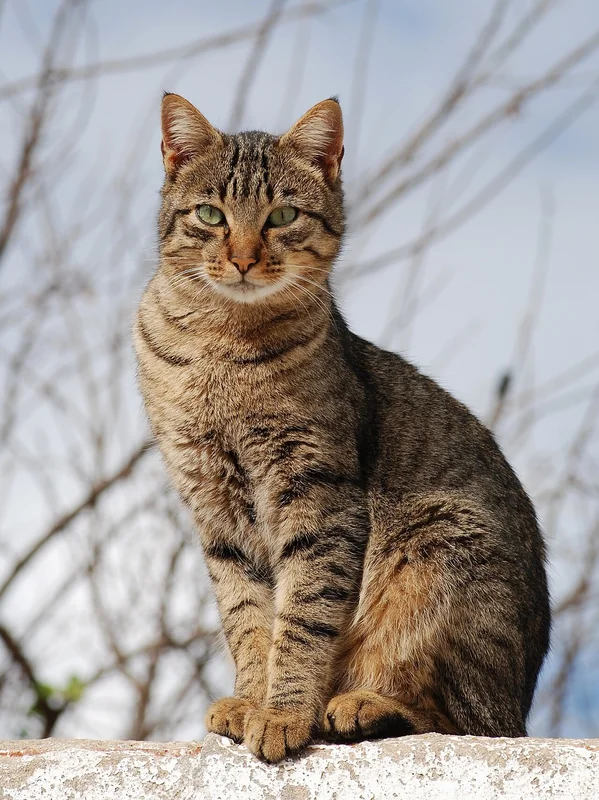 Featured photoburmilla-longhair.jpg
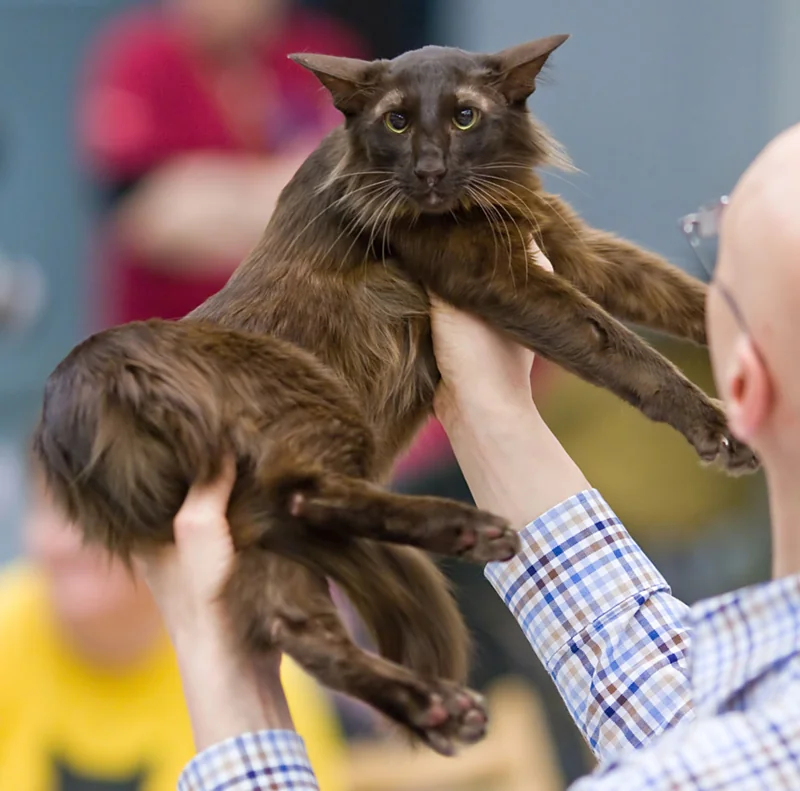
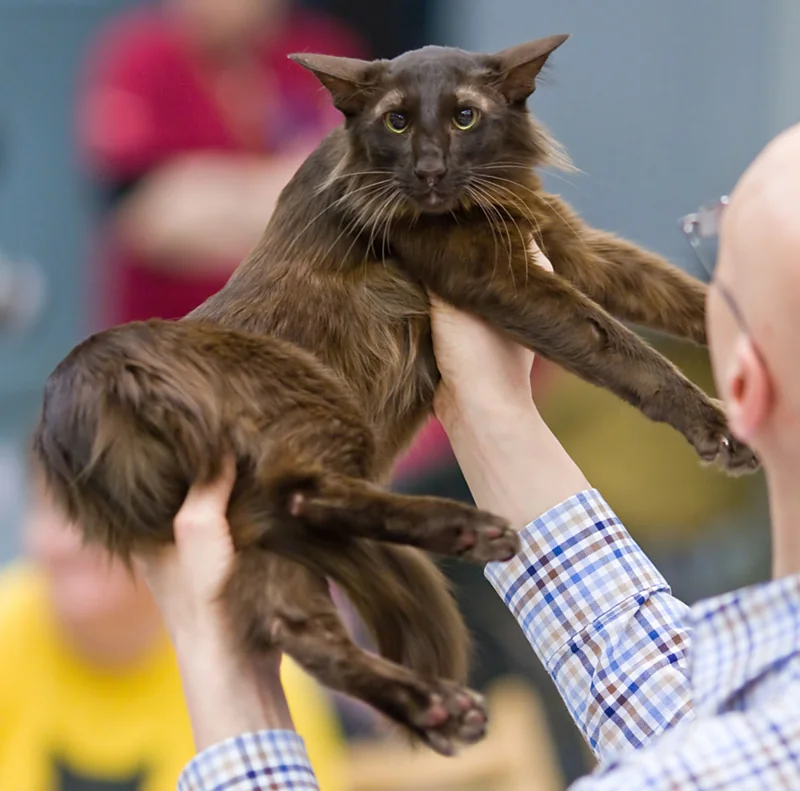
The Burmilla Longhair (also called the Tiffanie in GCCF) is the semi-longhaired variant of the Burmilla, carrying the same silver or golden tipped coat on a Burmese-type conformation. TICA recognizes the longhaired form within the Burmilla breed standard. The GCCF registers it separately as the Tiffanie (Asian Semi-Longhair). Both derive from the same 1981 UK foundation crossing of a Burmese queen with a Chinchilla Persian, which introduced both the tipping gene and the long-hair recessive gene.
Quick facts
- Origin country
- United Kingdom
- Origin period
- Derived from 1981 Burmilla foundation; TICA recognition within Burmilla standard
- Coat type
- Long
- Coat colors
- Silver tipped (chinchilla), Silver shaded, Golden tipped, Golden shaded, All above in standard Burmese colors
- Size category
- Medium
- Average lifespan
- 12-15 years
- Recognition
- TICA 1994 · GCCF 1991
Origin
The Burmilla Longhair traces to the 1981 foundation crossing of a Burmese queen (Fabergé) with a Chinchilla Persian male (Jamari of Sanquist) in the UK household of Baroness Miranda von Kirchberg. The Chinchilla Persian carried both the inhibitor gene (producing tipped coat) and the long-hair recessive. When Burmilla-to-Burmilla breedings were made, some litters produced semi-longhaired kittens with the same silver tipped appearance. UK breeders developed these under the name Tiffanie, which GCCF registered as part of the Asian group in 1991. TICA accepted the Burmilla with its longhaired form in 1994.
Tiffanie vs Burmilla Longhair
The Tiffanie (GCCF) and the Burmilla Longhair (TICA) refer to the same type of cat: a semi-longhaired Burmese-conformation cat with a tipped or shaded silver/golden coat derived from the Burmilla program. GCCF registers it as the Tiffanie within its Asian group; TICA accepts it within the Burmilla breed standard. The name Tiffanie is used almost exclusively in the UK; 'Burmilla Longhair' or 'Asian Semi-Longhair' are the names used in international contexts. Note: The American Chantilly-Tiffany breed is an entirely separate cat with no genetic relationship to the UK Tiffanie.
Coat and Appearance
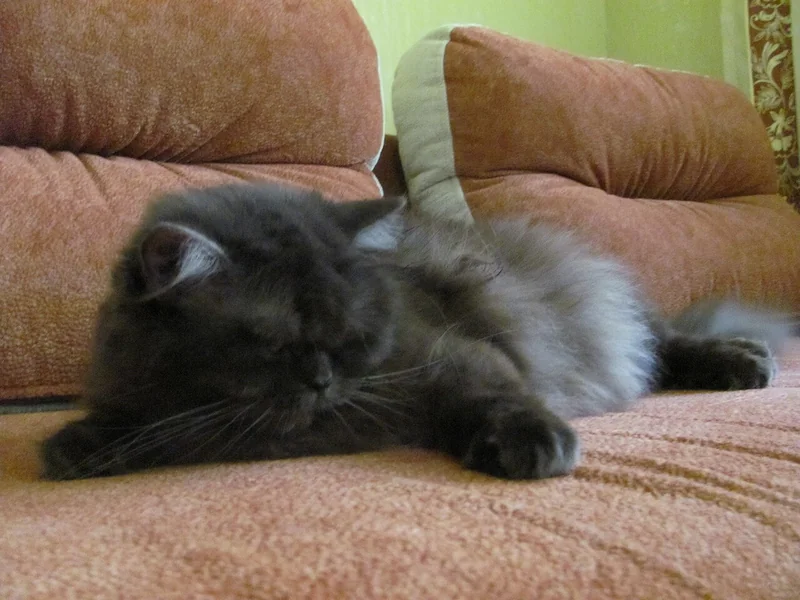
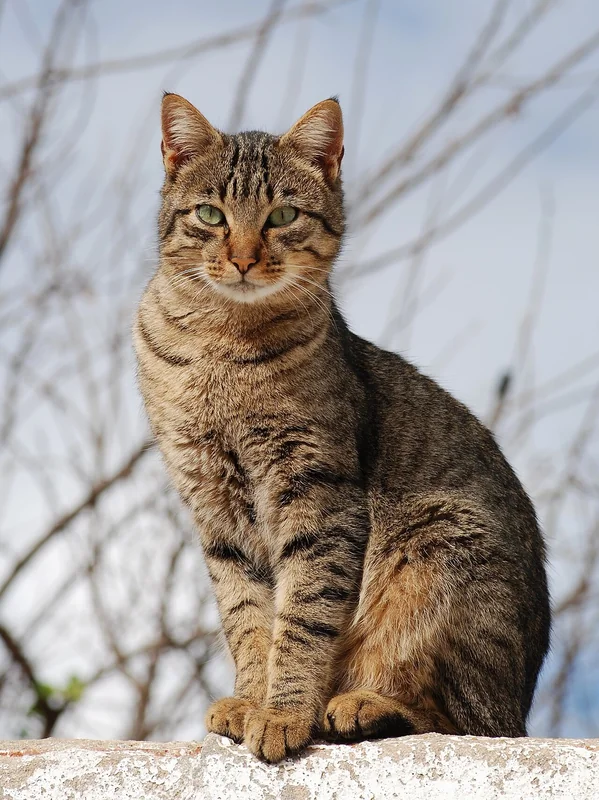
The Burmilla Longhair has a semi-long, silky, fine coat without the heavy undercoat of the Persian. The coat lies flat and flows naturally without requiring extensive grooming compared to a full Longhair. The tipping pattern is the same as the shorthaired Burmilla: silver or golden tipped in chinchilla (light) or shaded (heavier) variants, with the Burmese-type color range. The body is medium-sized, muscular, and rounded in the Burmese fashion. Eyes are large, luminous, and range from chartreuse-yellow to green, with green preferred in silver-tipped cats.
Sources & further reading (2)
- gccf-registry — accessed 2026-05-07
- encyclopedia — accessed 2026-05-07
Frequently asked questions
What is the difference between a Tiffanie and a Burmilla Longhair?
The Tiffanie and Burmilla Longhair are the same type of cat registered under different names by different registries. GCCF in the UK registers it as the Tiffanie within the Asian breed group. TICA accepts the longhaired form within the Burmilla breed standard. Both names refer to the semi-longhaired, silver or golden tipped Burmese-type cat from the 1981 UK foundation program.
Is the Tiffanie related to the Chantilly-Tiffany?
No. Despite similar names, the UK Tiffanie and the North American Chantilly-Tiffany (also called Chantilly) are completely unrelated breeds with separate origins. The Tiffanie is the semi-longhaired form of the Burmilla, derived from a Burmese-Chinchilla cross in the UK in 1981. The Chantilly-Tiffany originated in the United States from separate foundation stock in the 1960s.
How long is the coat of the Burmilla Longhair?
The coat is semi-long rather than full-length. It is silky, fine, and lies relatively flat without the heavy, voluminous undercoat of a Persian or Norwegian Forest Cat. The tail is a full plume. The semi-long coat is manageable with regular brushing and does not mat as readily as the coats of heavier-coated longhaired breeds.