Felis catus
Raas Cat
 Featured photoraas.jpg
The Raas is a large native domestic cat found on Raas Island in the Madura Strait, Indonesia. The breed is characterized by a large, muscular build, a blue-grey or dark grey coat, and semi-feral behavior compared to typical domestic cats. The Raas has been documented by Indonesian researchers and international cat scientists as a distinctive island population with unusual physical characteristics. It is not recognized by major international registries and remains primarily known through scientific documentation.
Quick facts
- Origin country
- Indonesia
- Origin period
- Ancient island native population; documented in 20th-century field research
- Coat type
- Short
- Coat colors
- Blue-grey or dark grey (primary color), May show faint ghost tabby marking
- Size category
- Large
- Average lifespan
- 10-15 years
- Recognition
- —
Origin
The Raas cat originates from Raas Island, a small and relatively isolated island in the Madura Strait of Indonesia. Island isolation often leads to genetic founder effects in animal populations; the unusual appearance of the Raas cat compared to mainland Indonesian domestic cats suggests that the island population descended from a small founding group whose traits became fixed through generations of inbreeding in the isolated environment. The blue-grey coat color and large body size are consistent with a founder effect from cats originally brought to the island by traders or settlers.
Documentation
The Raas cat has been noted in field research and breed literature as one of several unusual regional cat populations in the Indonesian archipelago and Southeast Asia. Researchers have described the cats as notably larger than typical Indonesian domestic cats, with a distinctive blue-grey coat and reportedly more independent or territorial behavior than fully domesticated cats. The scientific documentation is limited; no genetic studies confirming the breed's distinctiveness or origin had been published in peer-reviewed form as of 2026.
Appearance
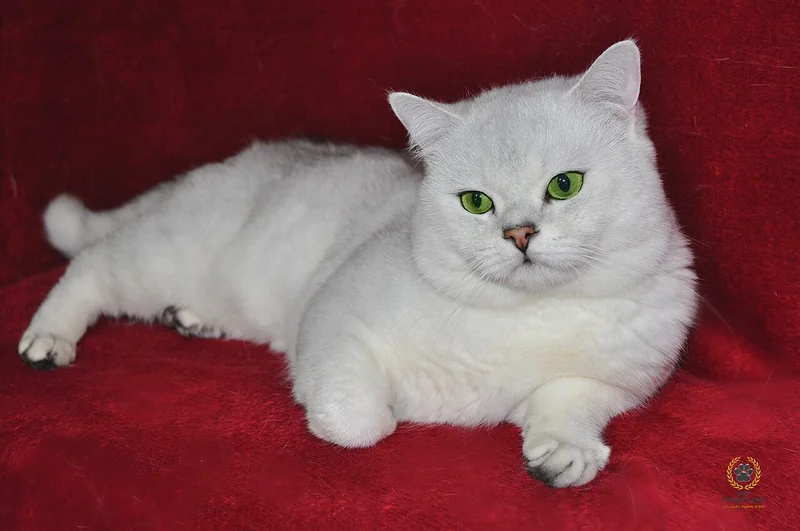
The Raas is described in field reports as a large cat with a robust, muscular build and a distinctive blue-grey to dark grey short coat. The head is described as broad and slightly rounded; the ears are medium-sized; the eyes may be green or yellow. The body is powerful and relatively heavy for a domestic cat, with thick legs and a medium-length tail. The blue-grey color and large size are the most consistently reported distinguishing features in field accounts. The coat is short and close-lying without heavy undercoat.
Sources & further reading (2)
- encyclopedia — accessed 2026-05-07
- encyclopedia — accessed 2026-05-07
Frequently asked questions
Is the Raas cat a recognized breed?
No. The Raas is a naturally occurring island cat population documented by Indonesian researchers and noted in international cat breed literature, but it has not been subject to a formal breed development program. Major international registries (CFA, TICA, GCCF, FIFe) do not maintain Raas registrations. The cats are documented as a regional population rather than a developed breed.
Where is Raas Island?
Raas Island is a small island in the Madura Strait between Java and Madura in East Java Province, Indonesia. It is administratively part of Sumenep Regency, Madura. The island has a small human population and limited contact with mainland cat populations, which may have contributed to the distinctiveness of its local cat population.
How does the Raas compare to other Indonesian cats?
The Raas is reported as notably larger and more distinctive in coloration than typical Indonesian domestic cats. Indonesian domestic cats generally share a similar appearance across the archipelago. The Raas's large size and consistent blue-grey coloration suggest a founder effect from a specific ancestral population, though genetic verification has not been published.