Felis catus
Japanese Bobtail
 Featured photojapanese-bobtail.jpg
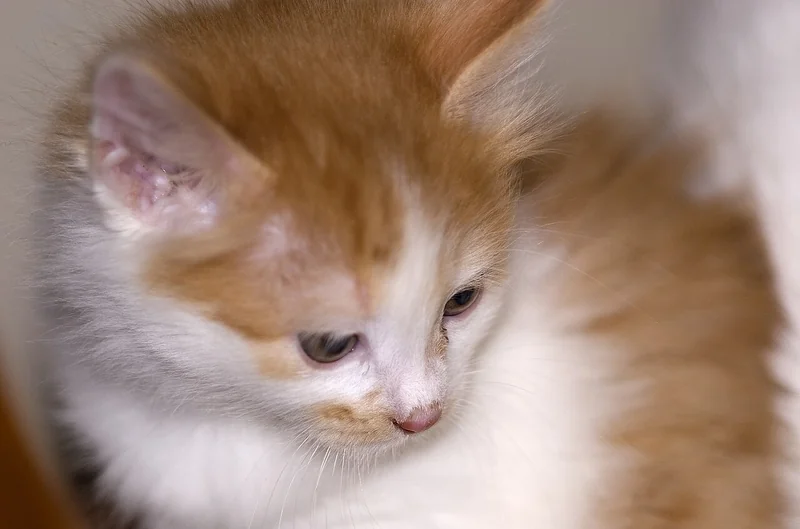
The Japanese Bobtail is a natural breed from Japan with a distinctive short, pom-pom-like bobbed tail caused by a recessive gene. The breed appears in Japanese art and literature from at least the 10th century and is the model for the Maneki-neko ('beckoning cat') good-luck figurine. CFA recognized the Japanese Bobtail in 1976; TICA at its 1979 founding; and FIFe in 1999. The standard describes a medium-sized, lean cat with a tri-coloured Mi-ke calico as the most celebrated pattern.
Quick facts
- Origin country
- Japan
- Origin period
- Pre-medieval Japan; recorded in art since at least the 10th century; CFA recognition 1976
- Coat type
- Short
- Coat colors
- Mi-ke (Tri-colour: white, black, red — the most prized pattern), Solid White, Solid Black, Solid Red, Bicolor, Tortoiseshell, Tabby
- Size category
- Medium
- Average lifespan
- 9-15 years
- Recognition
- CFA 1976 · TICA 1979 · FIFe 1999
Origin
The Japanese Bobtail is documented in Japanese art from at least the 10th century; the Gotokuji Temple in Tokyo displays 17th-century paintings of bobtailed white cats. The breed is widely regarded as the inspiration for the Maneki-neko ('beckoning cat') figurine common in Japanese commercial culture. The short tail results from a recessive gene distinct from the Manx taillessness gene. Judy Crawford introduced Japanese Bobtails to the United States in 1968 after encountering the breed in Japan.
Recognition
The Cat Fanciers' Association recognized the Japanese Bobtail in 1976, admitting both the shorthaired and longhaired varieties. The International Cat Association recognized the breed at its 1979 founding. The Fédération Internationale Féline published its standard in 1999. The GCCF does not maintain a separate Japanese Bobtail championship register. The breed is recognized in all traditional colours and patterns under both CFA and TICA.
Standard
The CFA standard describes a medium-sized, lean, well-muscled cat with a long body, slender legs, and an oval face with high cheekbones. The tail is short — between 3 and 10 centimetres in length — and forms a 'pom-pom' of kinked or curved bones unique to each individual. The coat may be short or long; the longhaired variety is recognized as a separate show class in CFA. All colours and patterns are accepted; the Mi-ke pattern (white body with black and red patches) is the most celebrated and historically associated with the Maneki-neko figurine.
Sources & further reading (3)
- registry-breed-profile — accessed 2026-04-30
- encyclopedia — accessed 2026-04-30
- fife-standard — accessed 2026-04-30
Frequently asked questions
What is the Maneki-neko and how does it relate to the Japanese Bobtail?
The Maneki-neko ('beckoning cat') is a Japanese lucky charm figurine depicting a cat with one paw raised. It is widely displayed in Japanese commercial establishments and is exported globally. The figurine is generally depicted with a short or no tail and a calico or white-with-patches coat, matching the Japanese Bobtail's Mi-ke pattern. While the specific model is not documented, the Japanese Bobtail is the breed most closely associated with the Maneki-neko tradition.
How is the Japanese Bobtail tail different from the Manx tail?
The Japanese Bobtail's short tail is caused by a recessive gene distinct from the Manx taillessness gene. The Bobtail tail is typically 3 to 10 centimetres long, composed of curved or kinked bones, and forms a distinctive pom-pom shape unique to each individual. The Manx taillessness is a dominant gene producing a spectrum from full taillessness (Rumpy) to a short stub (Stumpy). Breeding two Manx cats together often produces lethal homozygotes; breeding two Japanese Bobtails does not carry the same risk.
When was the Japanese Bobtail recognized?
CFA recognized the Japanese Bobtail in 1976 after Judy Crawford introduced the breed from Japan in 1968. TICA recognized the breed at its 1979 founding. FIFe published its standard in 1999. The GCCF does not maintain a separate Japanese Bobtail register.