Felis catus
Havana
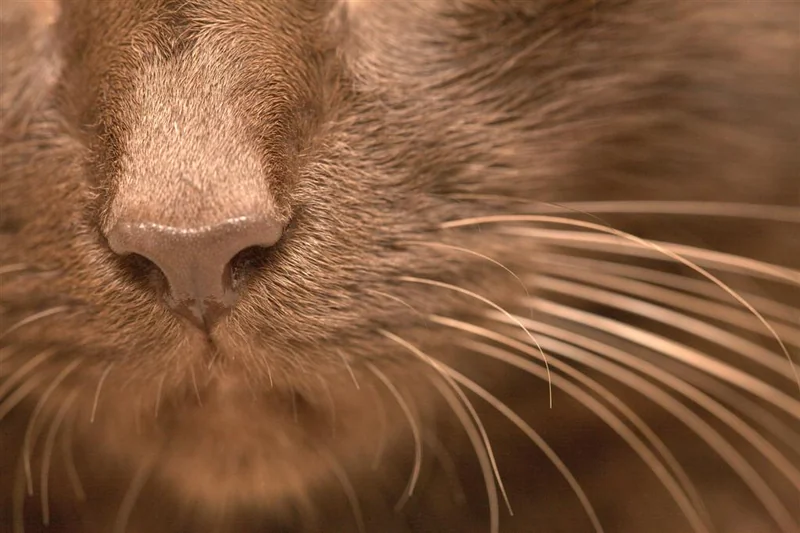 Featured photohavana.jpg
The Havana is a GCCF-recognized British breed of a warm chocolate-brown self color with Oriental conformation. Developed in the United Kingdom in the early 1950s by crossing seal-point Siamese with black domestic shorthairs, it received GCCF recognition as the Chestnut Brown Foreign in 1958 and was renamed the Havana in 1970. The British Havana has a more moderate wedge head and slightly rounder eyes than the CFA Havana Brown, which developed on an independent track in the United States.
Quick facts
- Origin country
- United Kingdom
- Origin period
- Developed 1950s; GCCF recognition 1958 as Chestnut Brown Foreign; renamed Havana 1970
- Coat type
- Short
- Coat colors
- Warm chocolate brown (self, only accepted color)
- Size category
- Medium
- Average lifespan
- 10-15 years
- Recognition
- GCCF 1958
Origin
The British Havana was developed in the early 1950s by UK breeders who crossed seal-point Siamese with black domestic shorthairs. The goal was to produce a self-colored, warm-brown cat of Oriental type. The Baroness von Ullmann and colleagues produced the first brown kittens in this program around 1952. The GCCF recognized the breed as the Chestnut Brown Foreign in 1958 and renamed it the Havana in 1970, referencing the color of Havana tobacco. Several cats were exported to the United States during this period, forming the foundation of what became the separately developed CFA Havana Brown.
British vs American Lines
The British Havana and the American CFA Havana Brown share a common ancestor from the 1950s UK program but have been developed independently for over five decades. The British type has a more moderate, less extreme head wedge and slightly rounder, oval eyes compared to the CFA standard, which calls for a longer, more rectangular muzzle ('corn-cob' shape) and a pronounced stop. The Havana Brown in the United States is recognized by CFA while the Havana in the UK is maintained under GCCF. The two registries treat them as effectively separate breeds with different standards.
Standard
The GCCF standard describes the Havana as a medium-sized, elegant, Foreign-type cat. The head is a medium wedge with a flat forehead and a firm chin; it is more rounded than the extreme Siamese wedge. Eyes are oval and vivid green. Ears are large, wide-set, and pricked. The coat is short, close-lying, and a warm mahogany or chocolate brown throughout, with no white hairs or tabby markings; nose leather and paw pads are also brown. The build is firm and muscular rather than tubular.
Sources & further reading (2)
- gccf-registry — accessed 2026-05-07
- encyclopedia — accessed 2026-05-07
Frequently asked questions
What is the difference between the British Havana and the CFA Havana Brown?
Both breeds descend from the same UK breeding program of the early 1950s, but they have been developed independently since the late 1960s. The British Havana has a more moderate wedge head with slightly rounder, oval eyes, while the CFA Havana Brown has a longer, more rectangular muzzle described as corn-cob shaped. The GCCF standard recognizes the British type; CFA maintains a separate standard for the American Havana Brown.
What color is the Havana?
The Havana is a warm, rich chocolate brown (sometimes described as mahogany-brown or tobacco-brown) throughout the coat, with no white hairs, ghost markings, or tabby striping. The nose leather and paw pads are similarly brown. The eye color in adults is vivid green. The name Havana references the color of Havana tobacco.
When did GCCF first recognize the Havana?
GCCF first granted recognition to the breed in 1958 under the name Chestnut Brown Foreign. The name was changed to Havana in 1970. The breed is a direct descendant of the first self-brown Oriental cats produced in the UK in the early 1950s through Siamese and black domestic shorthair crosses.