Felis catus
Australian Tiffanie
 Featured photoaustralian-tiffanie.jpg
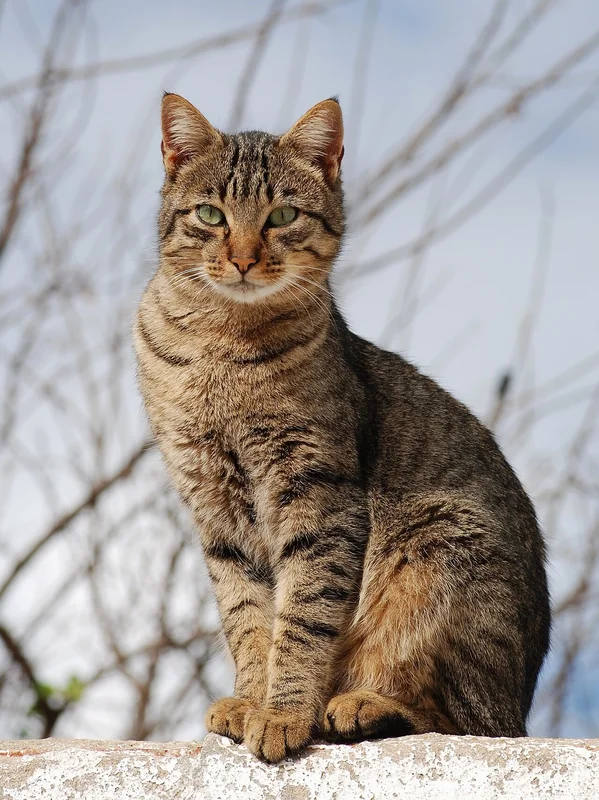
The Australian Tiffanie is a semi-longhaired cat breed developed in Australia and recognized by the Australian National Cats (ANCATS) registry. Independently developed from Burmese and Chinchilla Persian crosses in Australia during the 1980s, it parallels the UK Tiffanie but has a distinct breeding history and a slightly different standard. The breed combines the Burmese temperament and body type with a silky, semi-long tipped or shaded silver or golden coat.
Quick facts
- Origin country
- Australia
- Origin period
- Developed 1980s; ANCATS recognition 1990s
- Coat type
- Long
- Coat colors
- Silver tipped, Silver shaded, Golden tipped, Black tipped, Blue tipped, All Burmese-range colors
- Size category
- Medium
- Average lifespan
- 12-16 years
- Recognition
- —
Origin
Australian breeders in the 1980s independently developed a semi-longhaired Burmese-type cat through Burmese-Chinchilla Persian crosses. The program ran parallel to the British Tiffanie development without direct coordination. The goal was the same: to produce a Burmese-type cat with a silky, semi-long coat carrying the silver or golden tipping gene from the Chinchilla Persian. ANCATS recognized the resulting breed in the 1990s under the name Australian Tiffanie to distinguish it from the UK Tiffanie.
Recognition
The Australian Tiffanie is recognized by ANCATS (Australian National Cats) as an Australian-developed breed. It is not registered by CFA, TICA, GCCF, or FIFe as a separate breed; these registries register Tiffanie-type cats either within the Burmilla standard (TICA) or within the Asian group (GCCF). The breed's distribution is primarily limited to Australia. Some Australian states also register it under state-based cat associations affiliated with ANCATS.
Appearance
The Australian Tiffanie is a medium-sized, muscular cat of Burmese type with a semi-long, silky coat. The head is gently rounded with moderate width; the cheekbones are slightly prominent; the muzzle is rounded without pinching. The eyes are large, slightly rounded, and warm yellow to chartreuse in color depending on coat color. The coat is semi-long, fine, and silky, flowing without the heavy undercoat of a full longhair breed. The tail is a full plume. Color ranges from silver tipped and shaded to golden tipped, in a variety of the standard Burmese-range colors.
Sources & further reading (2)
- encyclopedia — accessed 2026-05-07
- registry-breed-profile — accessed 2026-05-07
Frequently asked questions
How does the Australian Tiffanie differ from the UK Tiffanie?
The Australian Tiffanie and UK Tiffanie were developed independently in Australia and the United Kingdom respectively, both from Burmese-Chinchilla crosses in the 1980s. The Australian type has its own ANCATS breed standard that may differ in minor head and body proportions from the GCCF Tiffanie standard. Both are semi-longhaired Burmese-type cats with tipped or shaded silver or golden coats; the difference is in their registration history and the slight divergence of standards that developed separately.
Is the Australian Tiffanie recognized internationally?
The Australian Tiffanie is recognized by ANCATS in Australia. It does not have recognition from CFA, TICA, GCCF, or FIFe as of 2026. TICA recognizes the Tiffanie/Burmilla Longhair within the Burmilla standard, but this does not specifically cover the Australian-developed line. The breed's international recognition remains limited to Australia.
What coat patterns does the Australian Tiffanie come in?
The Australian Tiffanie standard accepts the full range of tipping and shading patterns: silver tipped (chinchilla), silver shaded, golden tipped, golden shaded, and tipped or shaded variants in the full range of Burmese-type base colors including blue, chocolate, lilac, and other accepted Burmese colors. The coat is always semi-long and silky.