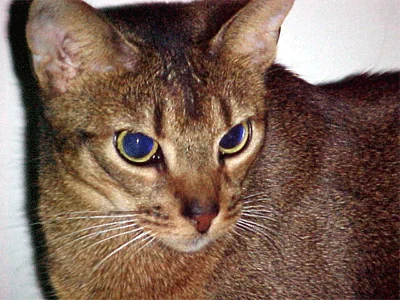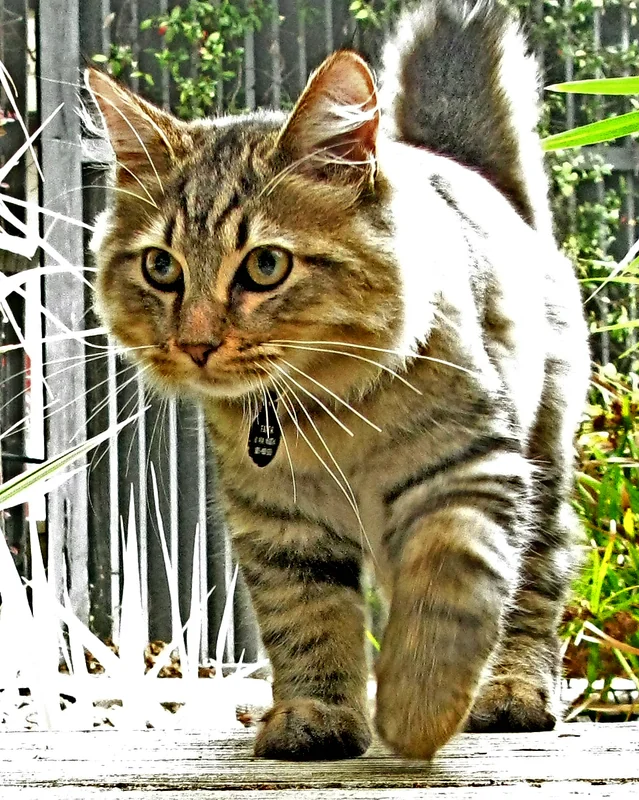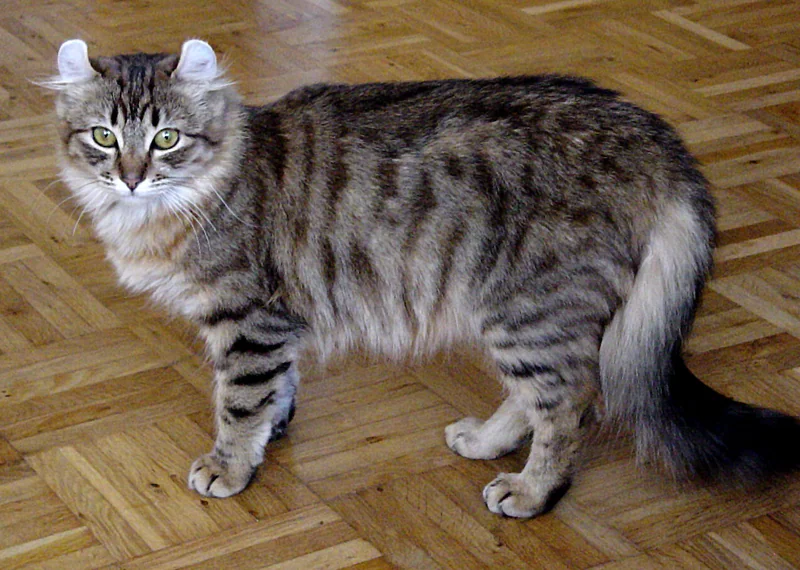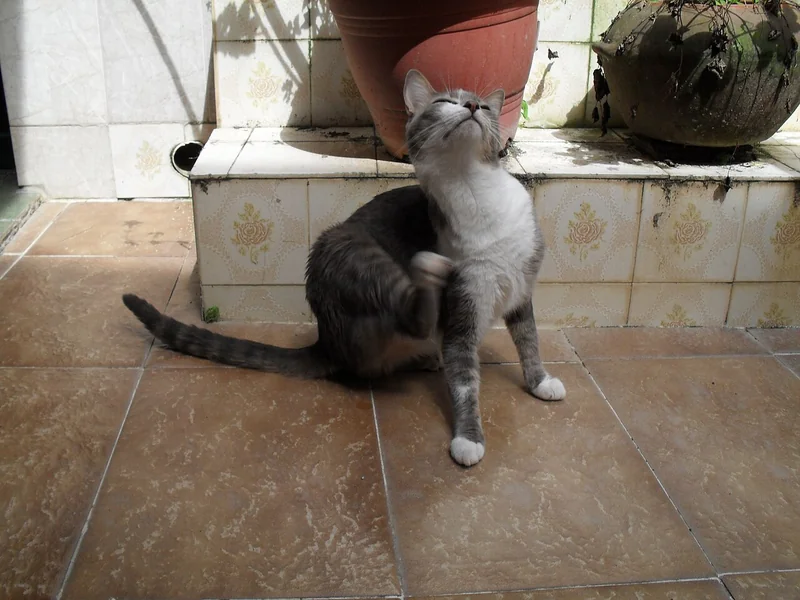
The Brazilian Shorthair is the first cat breed developed in Brazil, formalized by breeder Paulo Samuel Ruschi from 1985. The foundation cats descend from domestic shorthairs brought by Portuguese settlers from the Iberian Peninsula in the 16th century, which adapted as a regional working-cat type over four centuries. WCF recognized the breed in 1998 and TICA in 1998. CFA, GCCF, and FIFe have not published Brazilian Shorthair standards. The standard describes a medium-sized, semi-foreign cat with a short, glossy coat in any colour.
Quick facts
- Origin country
- Brazil
- Origin period
- Natural Brazilian breed descended from Iberian Peninsula imports of the 16th century; modern programme by Paulo Samuel Ruschi from 1985
- Coat type
- Short
- Coat colors
- All colours and patterns recognized
- Size category
- Medium
- Average lifespan
- 14-20 years
- Recognition
- TICA 1998
Origin
Domestic shorthaired cats arrived in Brazil with Portuguese settlers from the Iberian Peninsula beginning in the 16th century. Over four centuries the cats adapted to the Brazilian climate and developed into a regional working-cat type. Brazilian breeder Paulo Samuel Ruschi began formalizing the population as a distinct breed in 1985, working with the Federacao Brasileira do Gato. The Brazilian Shorthair is regarded as the first Brazilian-developed cat breed.
Recognition
The World Cat Federation recognized the Brazilian Shorthair in 1998. TICA accepted the breed for registration in 1998. CFA, GCCF, and FIFe have not published Brazilian Shorthair standards. The breed remains primarily affiliated with Brazilian breed clubs and WCF-affiliated bodies; outside Brazil the breed is rarely shown.
Standard
The WCF and Brazilian standards describe a medium-sized, semi-foreign, athletic cat with a long body, long legs, and a slender tail. The head is medium-sized with a slightly rounded forehead, a moderate muzzle, and almond-shaped eyes. The coat is short, fine, glossy, and close-lying with a single layer (no woolly undercoat). All colours and patterns are recognized including solid, tabby, bicolour, tortoiseshell, and colourpoint.
Sources & further reading (3)
- registry-standard — accessed 2026-04-30
- encyclopedia — accessed 2026-04-30
- tica-standard — accessed 2026-04-30
Frequently asked questions
Where does the Brazilian Shorthair come from?
The Brazilian Shorthair descends from domestic shorthairs brought by Portuguese settlers from the Iberian Peninsula in the 16th century. The cats adapted as a regional working-cat type over four centuries. Brazilian breeder Paulo Samuel Ruschi began formalizing the population as a distinct breed in 1985.
When was the Brazilian Shorthair recognized?
WCF recognized the breed in 1998. TICA accepted the breed for registration in 1998. CFA, GCCF, and FIFe have not published Brazilian Shorthair standards.
Is the Brazilian Shorthair related to the European or American Shorthair?
The Brazilian Shorthair shares ancestry with the European Shorthair through its Iberian Peninsula origin, but four centuries of adaptation in Brazil produced a distinct regional type. The breed has a more semi-foreign body type than the rounder European or American Shorthair, reflecting tropical-climate adaptation.