Felis catus
Australian Mist
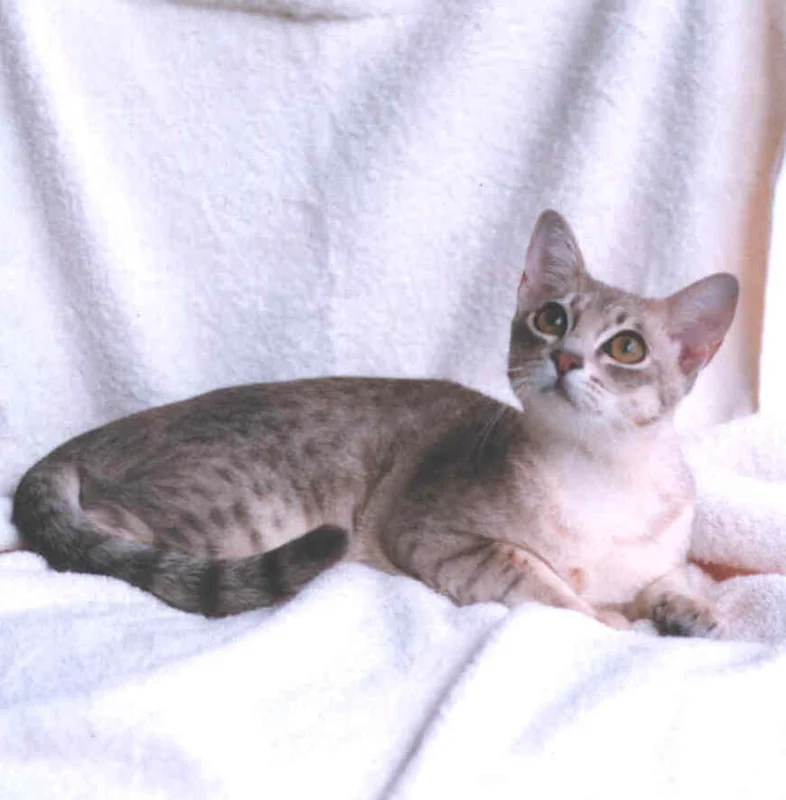 Featured photoaustralian-mist.jpg
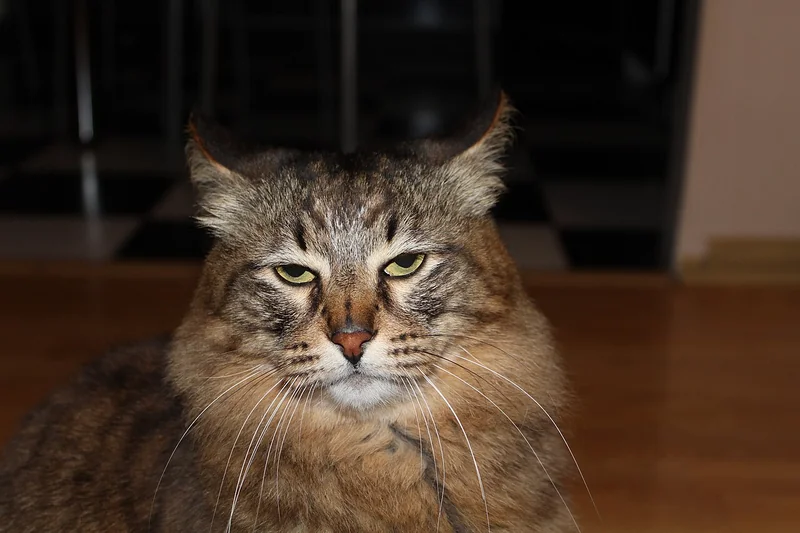
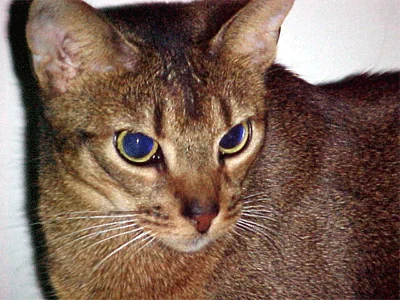
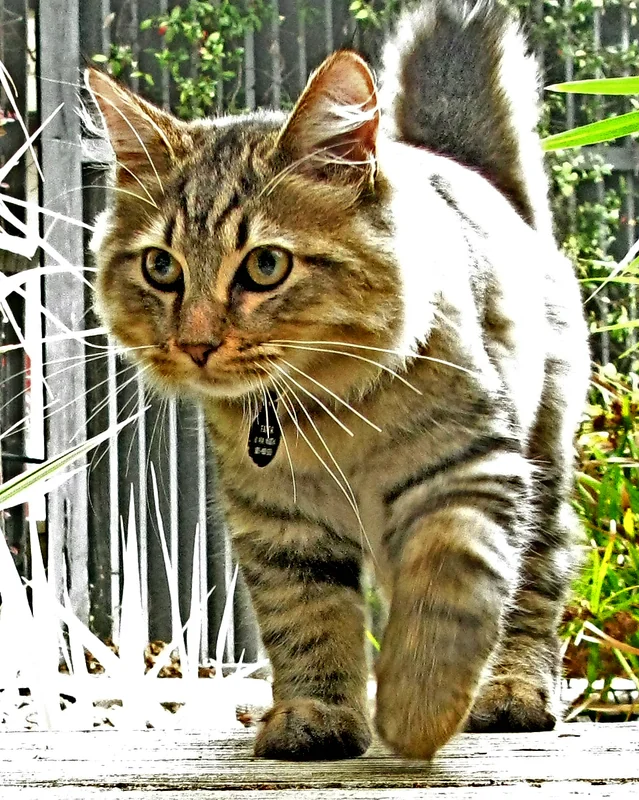
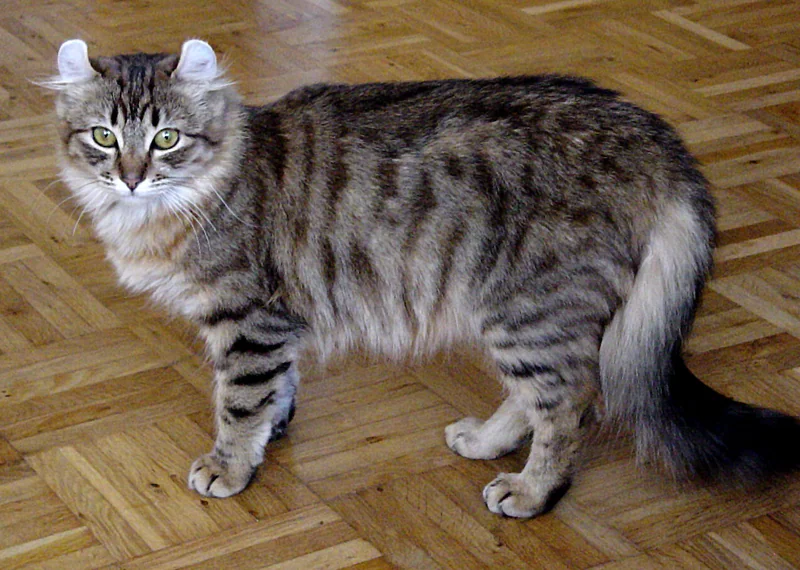
The Australian Mist is the first cat breed developed in Australia, created by Dr. Truda Straede between 1976 and 1986 through crosses between Burmese, Abyssinian, and domestic cats. The breed was originally called the Spotted Mist and was renamed Australian Mist in 1998 to include the marbled pattern. TICA granted championship status in 2014 and GCCF in 2014. WCF also recognizes the breed. The standard describes a medium-sized cat with a spotted or marbled tabby coat over a misty agouti ground.
Quick facts
- Origin country
- Australia
- Origin period
- Developed 1976-1986 by Dr. Truda Straede from Burmese, Abyssinian, and domestic cat crosses; original name 'Spotted Mist'
- Coat type
- Short
- Coat colors
- Brown Spotted, Blue Spotted, Chocolate Spotted, Lilac Spotted, Caramel Spotted, Gold Spotted, Peach Spotted, Each in marbled pattern variant
- Size category
- Medium
- Average lifespan
- 15-18 years
- Recognition
- TICA 2014 · GCCF 2014
Origin
Dr. Truda Straede of New South Wales began developing the Australian Mist in 1976, aiming for the first Australian-developed cat breed. The breeding programme combined Burmese (about 50% of foundation), Abyssinian (about 25%), and Australian domestic shorthair (about 25%) to produce a cat carrying the Burmese body type, the Abyssinian's ticked agouti coat as a misty ground, and the spotted tabby pattern from domestic stock. The breed was first registered in Australia in 1986 under the name Spotted Mist.
Recognition
In 1998 the marbled pattern was admitted to the standard alongside the original spotted pattern, and the breed was renamed Australian Mist. TICA granted championship status in 2014. The Governing Council of the Cat Fancy granted championship status in 2014. The World Cat Federation also recognizes the breed. CFA and FIFe have not published Australian Mist standards.
Standard
The TICA and GCCF standards describe a medium-sized, semi-cobby, well-muscled cat with a moderate-foreign body type. The head is rounded with a broad muzzle. The coat is short, fine, and close-lying. The defining characteristic is the agouti ticked ground in a 'misty' background colour with a clear spotted or marbled tabby pattern overlaid. Recognized base colours include brown, blue, chocolate, lilac, caramel, gold, and peach — each in spotted or marbled pattern variants. The eyes are large, expressive, and any shade of green or yellow.
Sources & further reading (3)
- tica-standard — accessed 2026-04-30
- encyclopedia — accessed 2026-04-30
- gccf-registry — accessed 2026-04-30
Frequently asked questions
Why is the breed called the Australian Mist?
The 'mist' refers to the agouti ticked ground colour: each guard hair has multiple bands of colour, producing a soft hazy or misty appearance against which the spotted or marbled tabby pattern stands out. The breed was originally registered as the Spotted Mist in 1986; the name was changed to Australian Mist in 1998 when the marbled pattern was added to the standard.
When was the Australian Mist recognized internationally?
The breed was first registered in Australia in 1986 as the Spotted Mist. TICA granted international championship status in 2014. GCCF granted championship status in 2014. WCF also recognizes the breed. CFA and FIFe have not published Australian Mist standards.
What was the breeding mix used to create the Australian Mist?
Dr. Truda Straede used approximately 50% Burmese, 25% Abyssinian, and 25% Australian domestic shorthair as foundation stock. The Burmese contributed body type and warmth of colour; the Abyssinian contributed the ticked agouti coat as a misty ground; the domestic shorthair contributed the spotted tabby pattern.