Wine Cask Finish
Casks previously used for wine — port, sauternes, bordeaux, marsala, madeira, burgundy — used as a flavour-led whisky finish since the 1990s.
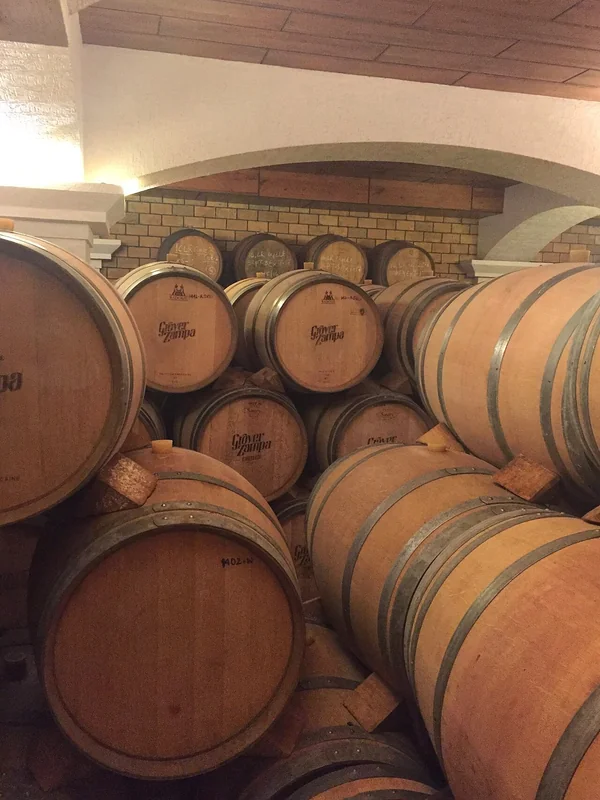
Wine cask finishing is the practice of transferring whisky from its primary maturation cask (usually ex-bourbon or ex-sherry) into a cask previously used for wine for a final period — typically six months to two years. Glenmorangie's Bill Lumsden pioneered the modern wine cask finishing programme in the 1990s with port, sauternes, and madeira finishes for the Glenmorangie 'wood finished' range. The practice has since become widespread across Scotch, Irish, and world whisky. Wine cask finishes contribute fruit-led, often sweet, sometimes tannic flavour notes overlaid on the primary maturation character. Common wine cask types include port (ruby/tawny), sauternes, bordeaux red, marsala, madeira, burgundy, and amarone.
Quick facts
- Type
- Cask Type
- Cask
- wine-finish (port / sauternes / bordeaux / madeira / etc.)
Bill Lumsden and the 1990s Glenmorangie Programme
Bill Lumsden, Glenmorangie's distillery manager and later director of distilling, pioneered the modern wine cask finishing programme in the early 1990s. The Glenmorangie 'wood finished' range (Port Wood, Sauternes Wood, Madeira Wood) demonstrated commercial demand for finishing-driven flavour variation. The practice has been adopted by Balvenie (Double Wood, Caribbean Cask), Glenfiddich (IPA Cask, Fire & Cane), Edradour (Ballechin Cask Finishes), and most Scotch distilleries with experimental ranges.
Sources & further reading (1)
- encyclopedia — accessed 2026-05-15
Frequently asked questions
How long is a typical wine cask finish?
Wine cask finishes typically run from six months to two years following primary maturation. Longer finishes risk the wine character overwhelming the underlying whisky; shorter periods produce a subtler flavour layer.