Single Malt Scotch
Scotch whisky from a single distillery made of 100% malted barley using pot stills — defined by UK law.
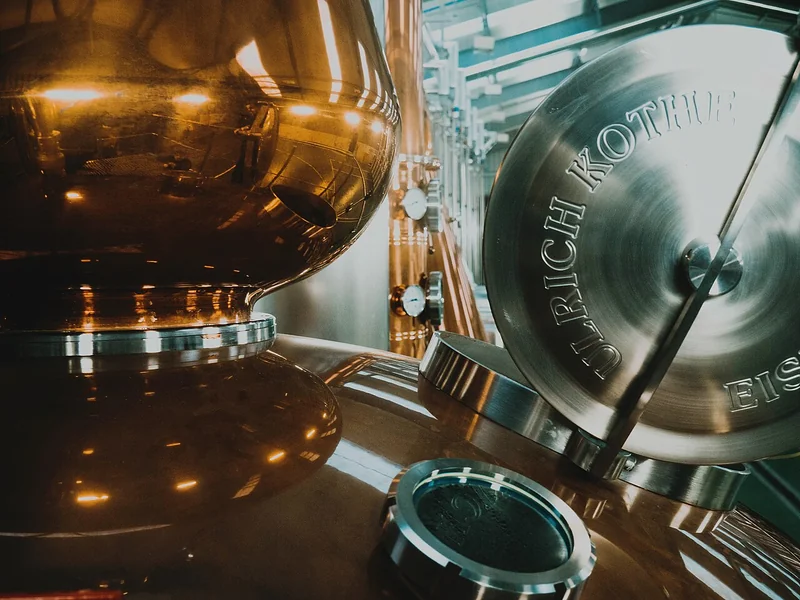
Single malt Scotch is a Scotch whisky produced from 100% malted barley at a single distillery using pot still distillation, as defined by the Scotch Whisky Regulations 2009 (UK statutory instrument). It must be matured in oak casks of capacity no greater than 700 litres for at least three years on Scottish soil and bottled at a minimum 40% ABV. The Speyside, Islay, Highland, Lowland, and Campbeltown regions each produce regionally characteristic single malts.
Quick facts
- Type
- Style
- Style
- single-malt
- Minimum aging
- 3 years (Scotch Whisky Regulations 2009)
Legal Definition
The Scotch Whisky Regulations 2009 codify five Scotch categories: single malt, single grain, blended malt, blended grain, and blended Scotch. Single malt must be made at one distillery, from 100% malted barley, by pot still distillation. Maximum cask size is 700 litres; minimum maturation is three years in Scotland. No additive is permitted other than water and plain caramel colouring (E150a). Bottling strength must be 40% ABV or higher.
Regional Character
Speyside single malts often display orchard fruit and honey notes; Islay malts are characterised by peated phenols and maritime character; Highland malts span a wide stylistic range from light to heavily sherried; Lowland malts traditionally favour a lighter, grassy profile; Campbeltown (home to Springbank, Glen Scotia, and Glengyle) produces a distinctive briny, slightly oily style.
Sources & further reading (2)
- encyclopedia — accessed 2026-05-15
- encyclopedia — accessed 2026-05-15
Frequently asked questions
What makes a Scotch 'single malt'?
Single malt Scotch must be made at a single distillery, from 100% malted barley, using pot still distillation. The word 'single' refers to the single distillery of origin, not a single cask. A typical single malt is a blend of many casks from one distillery; 'single cask' bottlings restrict the spirit to one specific cask.
Is single malt always older than blended Scotch?
No. Both single malt and blended Scotch require a minimum of three years' maturation in oak casks in Scotland. Age statements on bottles refer to the youngest whisky in the bottle. Some no-age-statement (NAS) single malts contain younger components alongside older ones.