Peat Smoking
Drying malted barley over peat fires — the source of smoky, phenolic flavour in Islay, peated Highland, and Japanese smoky whiskies.
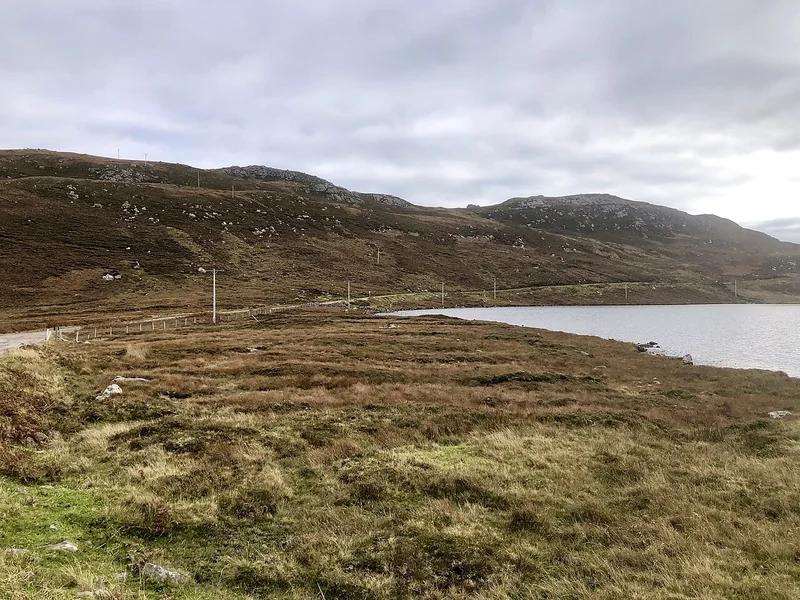
Peat smoking is the practice of drying malted barley over fires fuelled with peat instead of (or in addition to) the more common indirect heating with oil or gas. Phenolic compounds from the smouldering peat — guaiacol, cresols, syringol, and other related molecules — deposit on the malted grain. These compounds survive fermentation and distillation and contribute the characteristic smoky, medicinal, or campfire flavour of peated whiskies. Peat phenol levels are measured in parts per million (ppm) on the malted barley; Bowmore malt typically runs around 25 ppm, Ardbeg around 50 ppm, and Bruichladdich's experimental Octomore line above 150 ppm. The flavour effect depends on both phenol level and the regional peat composition (maritime Islay peat differs from heather-dominated Highland or Orcadian peat).
Quick facts
- Type
- Technique
Phenol Chemistry
Peat smoke contains a complex mixture of phenolic compounds. Guaiacol (2-methoxyphenol) contributes the dominant smoky note. Cresols (methylphenols) contribute medicinal, antiseptic character. Syringol and 4-methylguaiacol add depth. Each compound has different volatility, taste threshold, and persistence through distillation. The relative ratios depend on the peat source's organic composition.
Regional Peat Variation
Islay peat (cut from low-lying coastal bogs) contains decomposed marine plants and produces iodine, medicinal, and seaweed notes. Highland and Orcadian peat (cut from heather moorland) produces heather-honey, herbal, more vegetal smoke. Japanese peat — used by some experimental Hakushu and Yoichi expressions — has its own profile shaped by Japanese bog flora.
Sources & further reading (1)
- encyclopedia — accessed 2026-05-15
Frequently asked questions
Is all Scotch peated?
No. The majority of Scotch single malt is unpeated or only lightly peated. Peated production is concentrated on Islay and in a small number of Highland and Island distilleries (Talisker, Highland Park). Speyside, Lowland, and most Highland malts are unpeated.
Why is Islay peat different?
Islay peat is cut from coastal bogs at low elevation. The organic matter includes decomposed marine and coastal plants — kelp, gorse, coastal grasses — alongside the more typical heather and sphagnum moss of Highland peat. The phenolic compounds produced when this peat is burned carry distinctive maritime, iodine, and medicinal notes.