Mizunara Oak Cask
Japanese oak (Quercus crispula) casks — porous, difficult to cooper, contributing distinctive sandalwood and coconut notes.
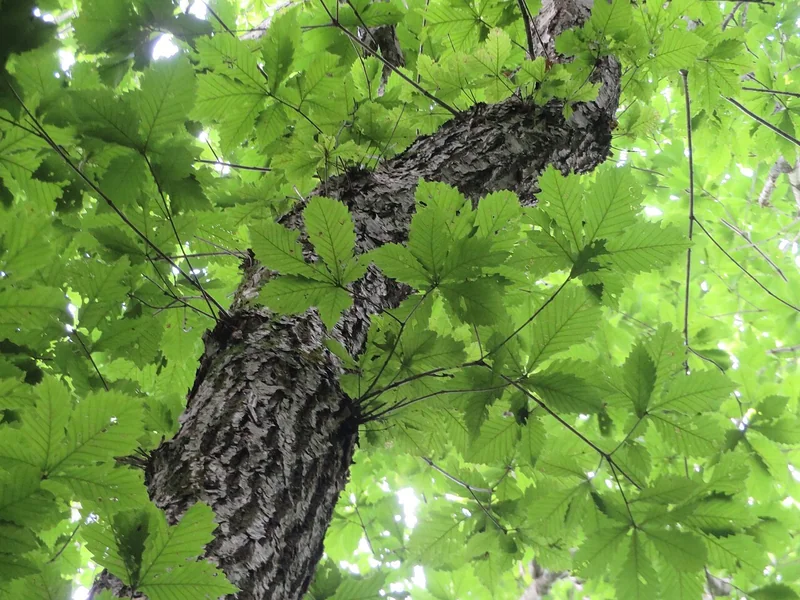
Mizunara (Quercus crispula or Quercus mongolica var. crispula) is a Japanese oak species used for whisky cask production. Mizunara wood is notably porous and difficult to cooper, making casks expensive to produce and prone to leakage. Despite the practical challenges, mizunara is highly valued for its distinctive aromatic contribution: prominent sandalwood, incense, coconut, and oriental spice notes uncommon in American or European oak. Yamazaki, Hakushu, Karuizawa, and other Japanese distilleries have used mizunara casks since the 1930s; the casks have also been adopted by Scotch distillers (Glenmorangie, Bowmore) for cask-finishing expressions. Mizunara casks are typically used after a first fill of bourbon or sherry to extend their commercially useful lifespan.
Quick facts
- Type
- Cask Type
- Cask
- mizunara (Japanese oak, Quercus crispula)
Coopering Challenges
Mizunara is significantly more porous than American white oak or European oak, which makes the wood prone to leakage in barrel form. Coopers select straight-grained sections of mature trees (200+ years old) and assemble casks with particular care for stave fit. Even so, mizunara casks lose more spirit to evaporation and may require recoopering more often than comparable American oak casks. The wood is also significantly more expensive.
Flavour Contribution
Mizunara contributes a distinctive aromatic profile: sandalwood, kara (Japanese incense), coconut, oriental spice, and a particular umami-like savoury depth uncommon in American or European oak. The flavours are attributed in part to specific lactones (oak lactones in different stereoisomeric ratios than American oak) and to phenolic compounds unique to Quercus crispula.
Sources & further reading (1)
- encyclopedia — accessed 2026-05-15
Frequently asked questions
Why are mizunara casks so expensive?
Mizunara trees suitable for cask production typically must be 200+ years old, so supply is constrained. The wood is porous and difficult to cooper, requiring particular care and producing higher reject rates. Mizunara casks may cost 5–10× the price of standard American oak hogsheads.