Islay
The Hebridean Scotch whisky region — defined by peated single malts and Atlantic maritime character.
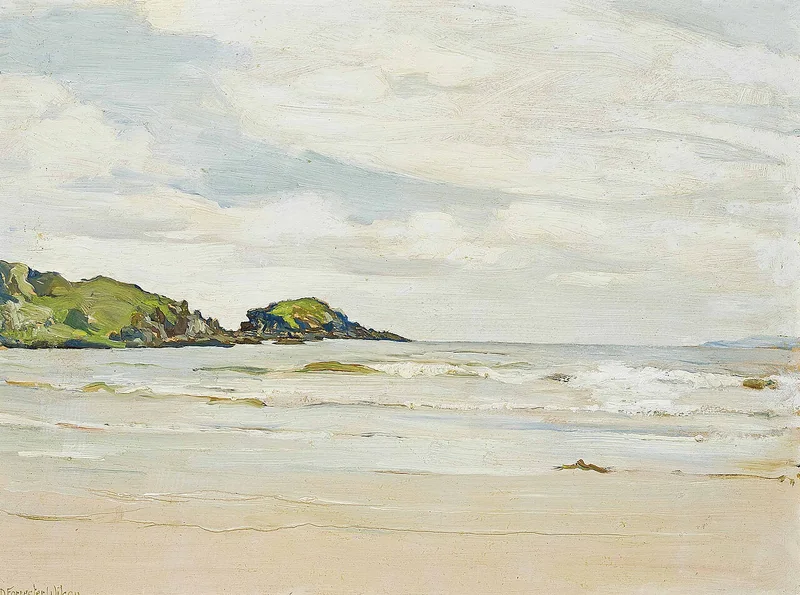
Islay (pronounced 'eye-luh') is a Hebridean island and Scotch whisky region off the west coast of Scotland. Despite its small size (approximately 240 square miles), Islay houses nine active distilleries with several more recently opened or under construction. Islay malts are typically peated, drawing on locally cut peat that contains marine and coastal vegetation contributing the characteristic medicinal, smoky, and iodine-like notes. Laphroaig, Ardbeg, Lagavulin (the 'Kildalton three' on the south coast), Bowmore, Bruichladdich, Caol Ila, Bunnahabhain, Kilchoman, and Ardnahoe are the active distilleries; Port Ellen ceased production in 1983 with a 2024 reopening.
Quick facts
- Type
- Region
- Region
- Islay
- Origin
- Inner Hebrides, Scotland
Peat and Maritime Character
Islay peat is cut from bogs near the sea and contains decomposed marine plants alongside the more typical heather and sphagnum moss. When the peat is burned to dry malted barley, phenolic compounds (notably guaiacol and cresols) attach to the grain and survive distillation, delivering the characteristic Islay smokiness. Peat phenol levels are measured in parts per million (ppm) on the malted barley; Ardbeg malt typically runs 50–55 ppm, while Bunnahabhain is traditionally unpeated.
The Kildalton Three
Laphroaig, Lagavulin, and Ardbeg sit within a short distance of each other on Islay's south coast in the parish of Kildalton. The three share heavy peating, maritime exposure, and similar limestone geology, yet produce distinct spirit profiles — Laphroaig's medicinal phenol, Lagavulin's richer body, Ardbeg's lighter mid-palate followed by intense smoke.
Sources & further reading (1)
- encyclopedia — accessed 2026-05-15
Frequently asked questions
Why is Islay whisky so smoky?
Islay malted barley is dried over locally cut peat fires, which deposit phenolic compounds (guaiacol, cresols, syringol) on the grain. These compounds survive fermentation and distillation and produce the characteristic smoky, medicinal flavour. Coastal peat contains decomposed marine plants that contribute distinctively maritime notes.
Are all Islay whiskies peated?
No. Bunnahabhain traditionally produces unpeated whisky as its house style, though it also produces some peated expressions. Bruichladdich produces unpeated whisky alongside its peated Port Charlotte and very heavily peated Octomore lines.