Copita Nosing Glass
Stemmed, tulip-shaped tasting glass — the traditional professional Scotch blender's vessel; predecessor to the Glencairn.
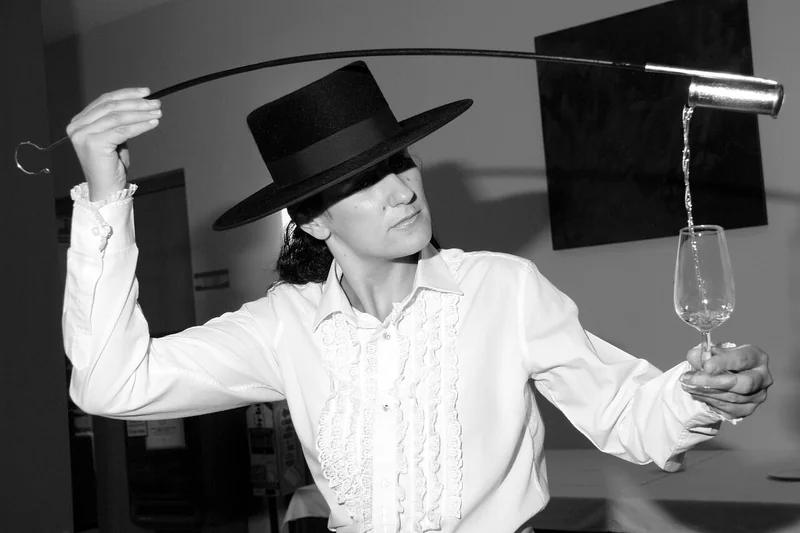
The copita is a stemmed, tulip-shaped tasting glass originating in 19th-century sherry production in Jerez. The wide bowl tapering to a narrow opening concentrates aromas at the rim; the stem keeps the drinker's hand away from the bowl to minimise warming. The shape was adopted by Scotch master blenders for professional nosing from the late 19th century and remained the industry standard until the 2001 introduction of the Glencairn glass, which is a stemless evolution of the same essential geometry. Copitas remain in use by some blenders and at distillery tastings; the term is sometimes used loosely for any tulip-bowled nosing glass.
Quick facts
- Type
- Glassware
- Era
- 19th century–present
From Sherry to Scotch
The copita originated in Jerez sherry production, where its tulip shape was developed for the demanding nosing requirements of sherry quality assessment. Sherry blenders evaluate subtle aromatic differences between casks and use the copita's concentrating geometry to perceive them clearly. The shape was adopted by Scotch master blenders in the late 19th century, who faced similar requirements for cask-by-cask quality assessment. The Glencairn glass (2001) is a deliberate evolution of the copita: stemless for stability, with a similar tulip bowl.
Sources & further reading (1)
- encyclopedia — accessed 2026-05-15
Frequently asked questions
Is the Glencairn a copita?
The Glencairn glass is a deliberate evolution of the copita's tulip shape, with the stem replaced by a short pedestal base for stability. The two are functionally similar — both concentrate aromas at the rim and minimise hand-to-bowl heat transfer — and the Glencairn was designed by Glencairn Crystal in consultation with master blenders who had used copitas professionally for decades.