Cask Finishing
Transferring whisky to a different cask type for a final maturation period — a 1990s-pioneered flavour-led practice.
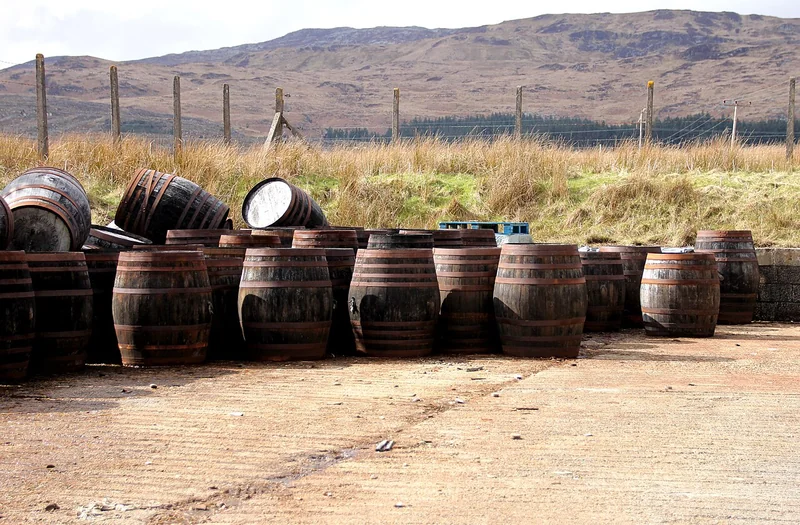
Cask finishing is the practice of transferring whisky from its primary maturation cask (usually ex-bourbon or refill cask) to a different cask type for a final period of additional maturation, typically six months to two years. The finish layers new flavour compounds from the secondary cask onto the established whisky character. Glenmorangie's Bill Lumsden pioneered the modern wine-cask finishing programme in the 1990s; the practice has since become widespread across Scotch, Irish, and world whisky. Common finishing casks include port, sherry, sauternes, madeira, rum, cognac, marsala, IPA beer, and increasingly experimental options. Cask finishing is distinct from 'double maturation' (the term used by some producers for similar processes but with longer secondary periods).
Quick facts
- Type
- Technique
The 1990s Glenmorangie Programme
Bill Lumsden, distillery manager at Glenmorangie, pioneered the modern wine cask finishing programme in the early 1990s with the launch of the Port Wood, Sauternes Wood, and Madeira Wood expressions. The commercial success of the range demonstrated demand for finishing-driven flavour variation and inspired widespread adoption across the Scotch industry. Balvenie Double Wood (12 Year), launched in 1993, was a parallel pioneering expression with ex-sherry finishing.
Sources & further reading (1)
- encyclopedia — accessed 2026-05-15
Frequently asked questions
How long is a typical cask finish?
Finishing periods typically run from six months to two years following primary maturation. Shorter periods (3–6 months) produce subtle character; longer periods (1–2 years) integrate more deeply with the underlying whisky. Very long secondary maturation (3+ years) is sometimes called 'double maturation' rather than finishing.