Canadian Whisky
Whisky produced and matured in Canada — defined by the Canadian Food and Drugs Act; typically multi-grain and column-distilled.
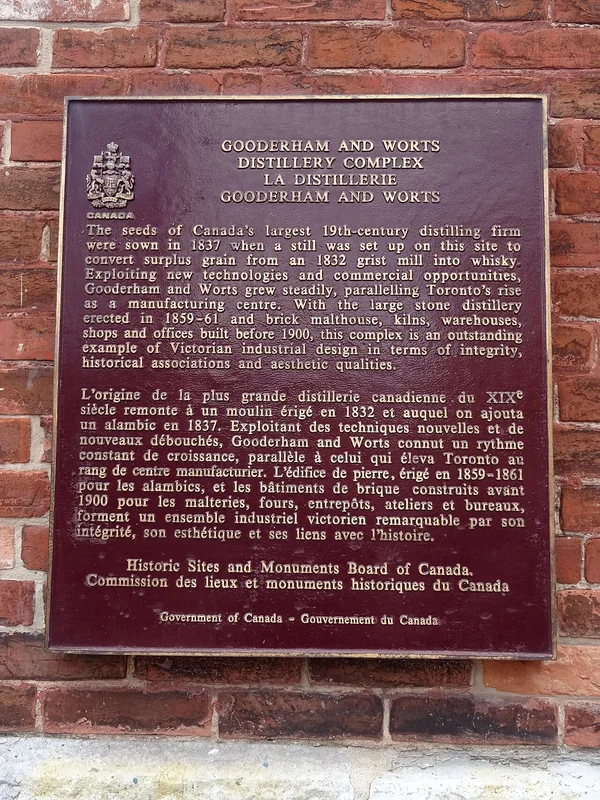
Canadian whisky is a whisky distilled, blended, and matured in Canada for at least three years in wooden casks no larger than 700 litres, as defined by the Canadian Food and Drugs Act. The regulations permit a wide range of mash bills and the addition of up to 9.09% (1/11) flavouring spirits or wines. Most Canadian whisky is produced by separately distilling a high-proof neutral 'base whisky' from a corn-heavy mash and a lower-proof 'flavouring whisky' from rye or other grains, then blending them. Crown Royal, Canadian Club, and Seagram's VO are the largest brands. Canadian whisky is often called 'rye' colloquially in Canada for historical reasons.
Quick facts
- Type
- Style
- Style
- canadian
- Minimum aging
- 3 years (Canadian Food and Drugs Act)
- Origin
- Canada
Why Canadian Whisky is Called 'Rye'
Although modern Canadian regulations do not require any specific grain composition, Canadian whisky is colloquially called 'rye' in Canada. The convention dates to the 19th century, when small amounts of rye were added to corn-based whisky to improve the flavour; the rye-flavoured style became so popular that 'rye' came to refer to all Canadian whisky regardless of grain bill. Some modern Canadian whiskies (Alberta Premium, Lot 40, Crown Royal Northern Harvest Rye) are in fact 100% rye, but many are not.
Base and Flavouring Whisky
The Canadian production model typically distils two streams separately: a high-proof, near-neutral 'base whisky' (often from corn) and a lower-proof 'flavouring whisky' (often from rye). The two are aged separately and blended before bottling. The flavouring component delivers character; the base provides smoothness and consistency.
Sources & further reading (1)
- encyclopedia — accessed 2026-05-15
Frequently asked questions
Is Canadian whisky always 'rye'?
Canadian whisky is colloquially called 'rye' in Canada regardless of actual grain composition. Regulations do not require any specific grain, though some Canadian whiskies are in fact 100% rye (Alberta Premium, Lot 40).
Why is the '9.09% rule' significant?
Canadian regulations uniquely permit adding up to 1/11 (9.09%) by volume of other spirits or wines to a Canadian whisky blend, provided they are at least two years old. The provision originally accommodated cross-border trade and remains a distinctive Canadian feature.