Campbeltown
A single town on the Kintyre peninsula recognised as a Scotch whisky region — three active distilleries; 30+ in the 19th century.
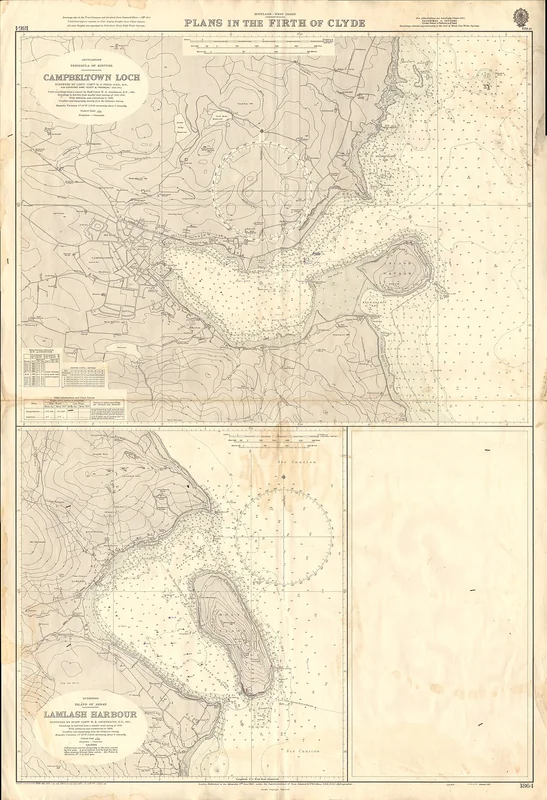
Campbeltown is a town on the Kintyre peninsula in southwest Scotland recognised as a separate Scotch whisky region under the Scotch Whisky Regulations 2009. In the 19th century, Campbeltown housed more than 30 distilleries and was known as the 'whisky capital of the world', but the post-Prohibition collapse and shifting freight economics reduced the town's industry. As of 2024 only three distilleries operate — Springbank, Glen Scotia, and Glengyle (which produces Kilkerran single malt) — though the small footprint disqualified Campbeltown from regional status from 2000 to 2009, restored after the operators petitioned for re-recognition. Campbeltown malts often share a distinctive briny, faintly oily, lightly peated profile.
Quick facts
- Type
- Region
- Region
- Campbeltown
- Origin
- Kintyre peninsula, Scotland
Rise and Fall of the 'Whisky Capital'
Campbeltown's 19th-century industry exploited its sheltered Loch Fyne port, proximity to Irish markets, and coal seams under the peninsula. At its peak the town contained more than 30 distilleries supplying blenders. Post-WWI taste shifts, Prohibition's loss of the US market, coal exhaustion, and railway-driven freight economics that favoured Speyside led to near-total collapse by the 1930s. Of the great Campbeltown houses, only Springbank survived continuously.
Sources & further reading (1)
- encyclopedia — accessed 2026-05-15
Frequently asked questions
Why was Campbeltown the 'whisky capital'?
In the 19th century, Campbeltown's port, local coal, and Irish-market access made it the highest-volume whisky-producing town in Scotland with over 30 distilleries. Scotch blenders depended on Campbeltown malt for the briny, full-bodied character it contributed to blends.
Is Campbeltown still a recognised region?
Yes, as of 2009 the Scotch Whisky Regulations restored Campbeltown to formal regional status after the local operators petitioned for re-recognition. The town had been formally deregionalised in 2000 due to insufficient distillery numbers.