Yunomi (Japanese Tea Cup)
The everyday Japanese ceramic tea cup — taller than a teabowl, handled without a saucer, used for sencha and bancha
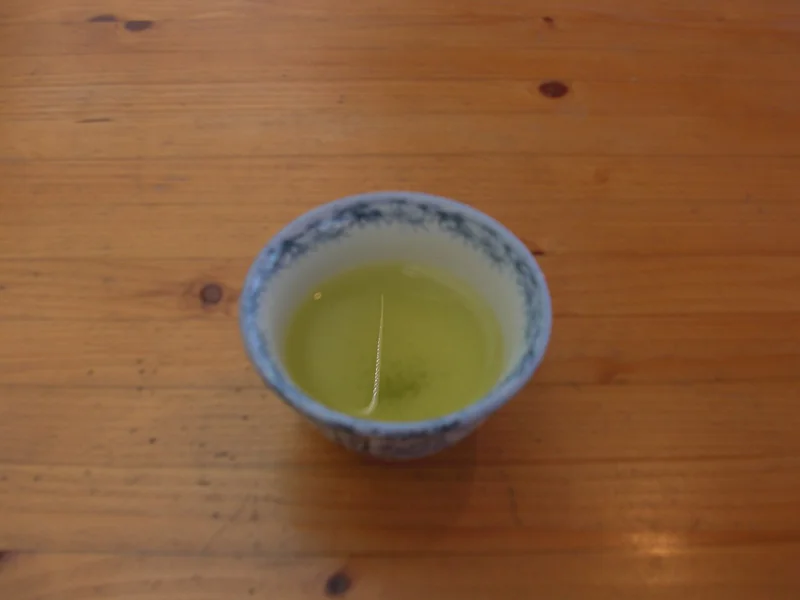
Yunomi (湯呑み, 'hot water drinker' or 'drinking hot water') is the standard everyday Japanese ceramic cup used for drinking brewed sencha, bancha, hojicha, and other non-matcha teas. Unlike the chawan (tea bowl used for matcha in the formal ceremony), yunomi are tall, cylindrical or tapering cups without handles, without saucers, and intended for casual daily use rather than ceremonial occasions. A standard yunomi holds approximately 150–250 ml. They are made in a wide range of Japanese ceramic traditions — Arita porcelain, Hagi ware, Shigaraki ware, Mino ware, Mashiko ware — and represent one of the most widely produced categories of Japanese ceramic.
Quick facts
- Type
- Tea Ware
Design and Ergonomics
The yunomi's form — tall, cylindrical, without handle or saucer — is adapted to the Japanese practice of drinking hot tea by cupping the vessel with both hands. The warmth of the cup transfers to the palms, which is considered pleasant in cooler months. The absence of a handle is a deliberate design choice reflecting the Japanese tactile relationship with ceramics: feeling the weight, texture, and warmth of the cup is part of the drinking experience. The relatively tall, narrow proportion (compared to a Western teacup) helps maintain temperature longer by reducing the surface area from which heat escapes. Standard yunomi are sized for the amount of tea a single serving produces from a standard Japanese kyusu — approximately 120–200 ml. Taller, wider yunomi called 'soba yunomi' (そば湯呑み) are used specifically for soba broth and are distinctly taller and more cylindrical.
Regional Ceramic Traditions
Yunomi are produced across Japan's major ceramic regions, each with distinctive characteristics: Hagi ware (萩焼, from Yamaguchi) uses porous, soft clay that absorbs tea over time and develops a patina, with a warm, slightly rough texture and subtle colour variations; Shigaraki ware (信楽焼, from Shiga) uses rough, fire-spotted stoneware with an austere, natural quality; Arita ware (有田焼, from Saga) is fine white porcelain with painted blue-and-white or polychrome decoration — the most formal and export-popular type; Mashiko ware (益子焼, from Tochigi) uses simple folk-craft aesthetics with bold patterns and sturdy forms; Mino ware (美濃焼, from Gifu) covers a wide range from Oribe (green-glaze, asymmetric design) to Shino (white, thick-glaze). The diversity of regional yunomi styles reflects the breadth of Japanese ceramic culture.
Gifting and Collecting
Yunomi are among the most common Japanese ceramic gifts. A matched pair of yunomi (meoto yunomi, 夫婦湯呑, 'husband and wife yunomi') is a standard wedding gift, with the two cups slightly different in size — the larger for the husband, the smaller for the wife. Sets of five yunomi (to avoid the number four, which is unlucky in Japanese culture) are household essentials. Collecting yunomi by specific kiln, style period, or master craftsman is a significant aspect of Japanese folk craft collecting (mingei, 民芸). Renowned potters' yunomi — Shoji Hamada, Tatsuzo Shimaoka, Yuichi Hamada — command high prices in the secondary market and are treasured as embodiments of the wabi-sabi aesthetic in functional daily objects.
Sources & further reading (2)
- encyclopedia — accessed 2026-05-07
- encyclopedia — accessed 2026-05-07
Frequently asked questions
What is the difference between a yunomi and a chawan?
A yunomi is an everyday tall tea cup used for drinking sencha, bancha, or hojicha — casual, daily, functional. A chawan (tea bowl) is a wide, shallow or medium-depth bowl used specifically for preparing and drinking matcha in the chanoyu tea ceremony — it is ceremonial, evaluated as an art object, and handled with specific techniques. The two cups are not interchangeable: sencha is drunk from yunomi, matcha is drunk from chawan.
Should yunomi have handles?
Traditional Japanese yunomi do not have handles — the cup is designed to be held in both hands, with the warmth of the tea felt through the ceramic. This is a cultural preference specific to Japanese tea-drinking practice. Western-style tea cups with handles developed from a different functional tradition. Some modern yunomi sold internationally include handles, but these are adaptations to non-Japanese usage patterns.
What is a 'meoto yunomi' paired set?
Meoto yunomi (夫婦湯呑, 'husband and wife tea cups') are matched pairs of yunomi sold as a set, where the two cups are the same design but slightly different in size — typically the larger for the husband, smaller for the wife. They are the most common wedding gift in Japan. The size difference reflects traditional household dynamics, though modern sets are sometimes sold as equal-size pairs. The cups are intended to be used together as a pair for the couple's daily tea drinking.