Tuocha (Bowl-Shaped Compressed Tea)
Yunnan's bowl-shaped compressed tea — small nest-form pu-erh cakes ranging from single-serving to 500g discs.
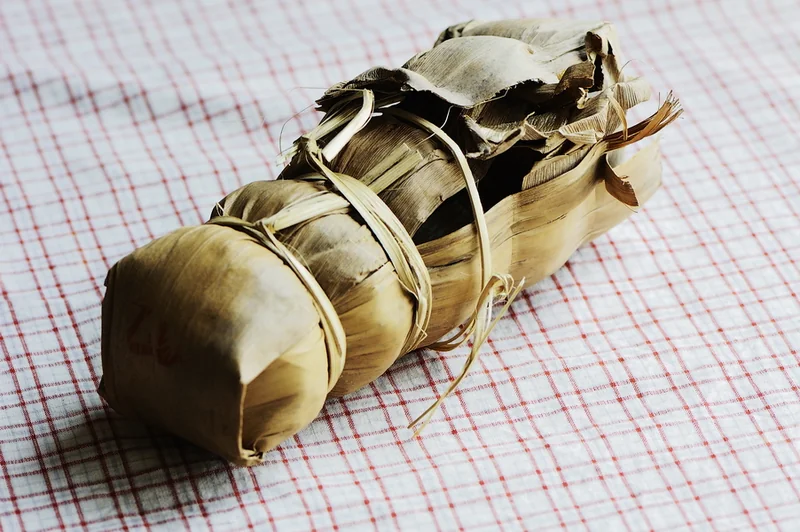
Tuocha (沱茶, tuó chá, 'nest tea' or 'bowl tea') is a compressed tea form produced primarily in Yunnan Province from Da Ye Zhong large-leaf tea, shaped into a distinctive bird's-nest or inverted bowl form with a concave underside and a domed top. Tuocha is produced in sizes ranging from 3–5 gram individual servings (miniature tuocha, 小沱茶) to standard 100 gram and 250 gram versions, with some large productions reaching 500 grams or more. Both sheng pu-erh (raw) and shou pu-erh (ripe) versions are produced as tuocha, as are some Yunnan green tea tuocha. The compressed form was historically chosen for transport durability and standardised portioning, and tuocha remains one of the most recognisable and widely available pu-erh forms in both Chinese and international markets.
Quick facts
- Type
- Tea
- Origin
- Yunnan Province, China (Xiaguan / Dali area historically; now produced across Yunnan)
- Oxidation
- Post-fermented
- Caffeine
- Medium
- Astringency
- Variable — sheng tuocha: high when young, mellowing with age; shou tuocha: low
- Sweetness
- Varies by age and type; aged sheng develops returning sweetness (hui gan)
- Body
- Medium to full
- Tasting notes
- earthy, camphor, dried fruit (aged), forest floor, fermented (shou), smoky (young sheng)
History and Form Development
The tuocha form originated in Yunnan's Xiaguan area (下关, modern Dali City) in the early 20th century. The distinctive bowl shape — dome on top, deep concave indent underneath — evolved from earlier compressed tea forms used in Yunnan trade. The Xiaguan Tea Factory (下关茶厂), established in 1941, standardised and commercialised tuocha production, developing the specific pressing technique that gives Xiaguan tuocha its characteristic tightly compressed, smooth dome top and well-defined concave base. The concave base allows multiple tuocha to nest together during storage and transport — a functional design advantage that helped standardise shipping. Xiaguan tuocha (下关沱茶) remains one of the most famous branded tuocha, known for a relatively smoky, camphor-forward character from their specific processing and Yunnan maocha sourcing. The 250-gram 'standard tuocha' and 100-gram 'small tuocha' are the most common commercially available sizes; miniature 5-gram tuocha wrapped in foil are widely sold as single-serving convenience formats.
Sheng vs. Shou Tuocha
Tuocha is produced in both the sheng (生, raw/traditional) and shou (熟, ripe/accelerated-fermentation) pu-erh categories. Sheng tuocha uses sun-dried Da Ye Zhong maocha compressed and aged without the wo dui fermentation step — the tea is green or lightly post-processed and undergoes natural enzymatic and microbial transformation during aging. Young sheng tuocha can be quite astringent and assertively bitter — it is designed for long-term storage and improvement, typically 5–20+ years. Aged sheng tuocha (10+ years) develops the characteristic hui gan (returning sweetness), deepened complexity, and reduced astringency that pu-erh collectors seek. Shou tuocha uses Da Ye Zhong maocha that has undergone the wo dui (pile-fermentation) accelerated processing developed in 1973 at the Kunming Tea Factory — the resulting leaf is dark, earthy, and mellow with minimal astringency from the start, designed for immediate consumption rather than aging. Shou tuocha is the more accessible and widely consumed format for everyday drinking.
Breaking, Brewing, and Storage
Compressed tuocha must be broken apart before brewing. A pu-erh pick (cha zhen, 茶针) or flat pu-erh needle is used to pry off flakes and chunks from the tuocha without crushing the leaves into powder — the goal is to remove intact leaf sections rather than dust. Breaking from the compressed edge (where compression is tighter) usually requires more force than from the looser top dome area. For a standard 120–150 ml brewing vessel in gongfu cha style, 5–8 grams of broken tuocha is typical. The first infusion is typically used as a rinse (30 seconds, discarded) to hydrate the compressed leaf and wash away any storage dust; subsequent infusions of 30–60 seconds extract the tea. Aged sheng tuocha may produce 10–15 infusions; shou tuocha typically gives 6–10. Storage of unbroken tuocha should be in a breathable environment (not sealed plastic) with moderate humidity (50–70%) and away from odour sources — pu-erh absorbs ambient aromas readily.
Sources & further reading (2)
- encyclopedia — accessed 2026-05-07
- encyclopedia — accessed 2026-05-07
Frequently asked questions
What is the difference between tuocha and a bing (pu-erh cake)?
Both are compressed pu-erh forms, but they differ in shape and historically in use. A bing (饼, also called 七子饼, 'seven-son cake') is a flat round disc typically 357 grams (the traditional seven-son size), pressed flat with a slight dome on top and a small indentation on the back from the mould. A tuocha is the bowl-shaped form — domed on top, concave on the bottom — and typically smaller (100–250 grams). The two forms have equivalent aging potential; the choice between them is largely a matter of producer tradition and consumer preference. Bings are more common in collector markets due to the traditional 357-gram format; tuocha are more common in everyday consumption and convenience-format markets.
Is Yunnan the only source of tuocha?
Yunnan is the origin and primary source, but tuocha forms are also produced in other regions. Chongqing has a historical tuocha tradition using lower-grade leaf, and some Hunan dark tea producers make bowl-shaped compressed teas in the tuocha form. Yunnan tuocha — specifically from Da Ye Zhong large-leaf material and major Yunnan factories including Xiaguan and Menghai — is the quality benchmark, and the majority of internationally recognised and collected tuocha comes from Yunnan. Non-Yunnan bowl-compressed teas are not typically marketed as pu-erh (a protected geographical indication) and occupy separate commercial categories.
Do miniature tuocha (5-gram) age as well as large tuocha?
Miniature tuocha (5-gram, 小沱茶) age more rapidly and less predictably than larger compressed forms. The surface-to-volume ratio in small compressions is higher, meaning ambient oxygen and humidity affect a larger proportion of the tea relative to its total mass — aging proceeds faster but can also be less even. For long-term aging (10+ years), serious collectors prefer larger compressions (100–357 grams) where the dense interior core ages more slowly and develops complexity. Miniature tuocha are well-suited to immediate or near-term consumption (0–5 years) and for trying young sheng pu-erh before committing to larger formats.