Tencha
The flat, shade-grown Japanese tea leaf stone-ground into matcha — rarely consumed unground, essential to the matcha
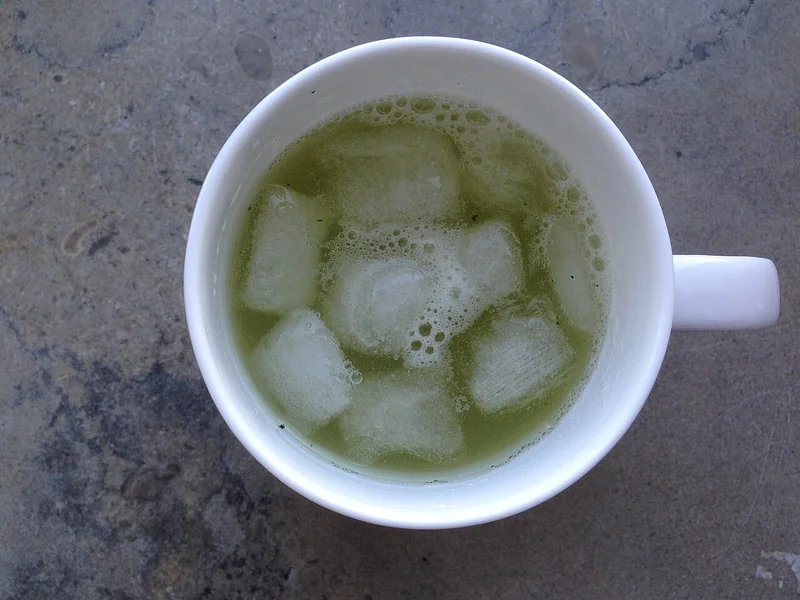
Tencha (碾茶) is the shade-grown Japanese green tea leaf that, when stone-ground, becomes matcha. It is produced from the same cultivars as gyokuro — most often Yabukita, Okumidori, or Samidori — shaded for 20–30 days before harvest to concentrate L-theanine and suppress bitterness through chlorophyll accumulation. After harvest, tencha is steamed (like other Japanese green teas), then dried without rolling. This rolling-free step preserves the flat, brittle leaf structure; the leaf is then de-stemmed and de-veined by machine to produce the clean, pale green leaf fragments called tencha. Stone-grinding tencha into fine powder takes 30–60 minutes per 40 grams on traditional granite wheels. Tencha is consumed as a leaf tea only rarely by enthusiasts who wish to experience the pre-ground stage.
Quick facts
- Type
- Tea
- Origin
- Uji, Kyoto Prefecture; Nishio, Aichi Prefecture; Kagoshima Prefecture, Japan
- Cultivar
- Yabukita, Okumidori, Samidori, Asahi
- Oxidation
- Green (unoxidised)
- Caffeine
- High
- Umami
- Very high — concentrated theanine from 20-30 day shading
- Astringency
- Very low — shading and steaming suppress catechin development
- Sweetness
- High, marine-sweet
- Body
- Light when brewed as leaf tea
- Tasting notes
- seaweed, fresh grass, umami broth, sweet vegetal
From Tencha to Matcha
Tencha is the leaf-stage form of what becomes matcha. The processing sequence is: shade cultivation → harvest of first-flush buds → immediate steaming (60–90 seconds) to stop oxidation → drying in a hot-air drying machine without rolling → de-stemming and de-veining to produce pure leaf material → stone-grinding at low speed to prevent heat buildup. The de-stemming step (aracha to tencha refinement) removes the woody stem and fibrous vein material that would degrade matcha flavour and produce an uneven colour. Only the pure flat leaf fragment remains. The quality of tencha directly determines matcha quality: higher-grade tencha produces matcha with deeper green colour, finer particle size, and stronger umami. The distinction between ceremonial-grade and culinary-grade matcha originates at the tencha stage.
Growing Regions and Cultivar Selection
The three primary Japanese tencha-producing regions are Uji (Kyoto), Nishio (Aichi), and Kagoshima. Uji tencha commands the highest market prestige, associated with centuries of imperial tea supply and highly regarded shade cultivation practices. Nishio produces large volumes of tencha used for culinary matcha. Kagoshima's warmer climate enables earlier harvests. Cultivar selection is critical: Okumidori is favoured for its very high theanine content and deep green colour when stone-ground; Samidori produces matcha with strong sweetness; Asahi is a traditional Uji cultivar with complex umami. Yabukita, Japan's most widely grown tea cultivar, is used for tencha but is generally considered slightly inferior to specialised matcha cultivars in colour and umami concentration.
Tencha Brewed as Leaf Tea
A small specialty market exists for tencha consumed without grinding. Brewed at 50–65°C in a small gaiwan or kyusu with very short steeping times (30–60 seconds), tencha produces a remarkably smooth, umami-forward infusion without astringency. The flat, de-veined leaf fragments unfurl slowly and produce 3–4 good infusions. Enthusiasts compare tencha brewing to a 'pure' form of the gyokuro or matcha flavour profile without the powdered suspension. It is priced as a premium product since production volumes are high enough only for grinding — selling tencha as a leaf tea requires diverting material from the matcha supply chain.
Sources & further reading (2)
- encyclopedia — accessed 2026-05-07
- encyclopedia — accessed 2026-05-07
Frequently asked questions
Is tencha the same as matcha?
Tencha is the leaf-stage precursor to matcha — the flat, shade-grown, de-stemmed leaf fragment before stone-grinding. Matcha is the fine powder produced by grinding tencha. The flavour profile is essentially the same, but the form differs: tencha can be brewed as leaf tea (rare), while matcha is whisked into suspension in hot water. Not all tencha is ground into matcha — some is sold as leaf tea for specialty use.
Why is tencha not rolled like other Japanese green teas?
Rolling is intentionally omitted in tencha processing because rolling would break the leaf structure in ways that make de-stemming and de-veining difficult and would create heat that degrades chlorophyll — the pigment responsible for matcha's vivid green colour. The flat, unrolled leaf is also more efficiently stone-ground into the fine particle size (approximately 2–20 microns) required for matcha quality.
What is the difference between culinary-grade and ceremonial-grade matcha, starting at the tencha stage?
At the tencha stage, higher grades come from first-flush shade-grown leaves from premium cultivars (Okumidori, Samidori) in prestigious regions like Uji. These leaves have higher theanine, deeper chlorophyll, and less catechin. Culinary-grade tencha may include later-flush leaves, different cultivars, or slightly less extended shading. When stone-ground, the result is visually and flavourally distinct: ceremonial matcha is brighter green, sweeter, and more umami-forward; culinary matcha is yellower, more bitter, and less complex.