Phoenix Dancong
Guangdong's single-bush oolong — each named cultivar produces a distinct natural aroma from honey orchid to duck shit
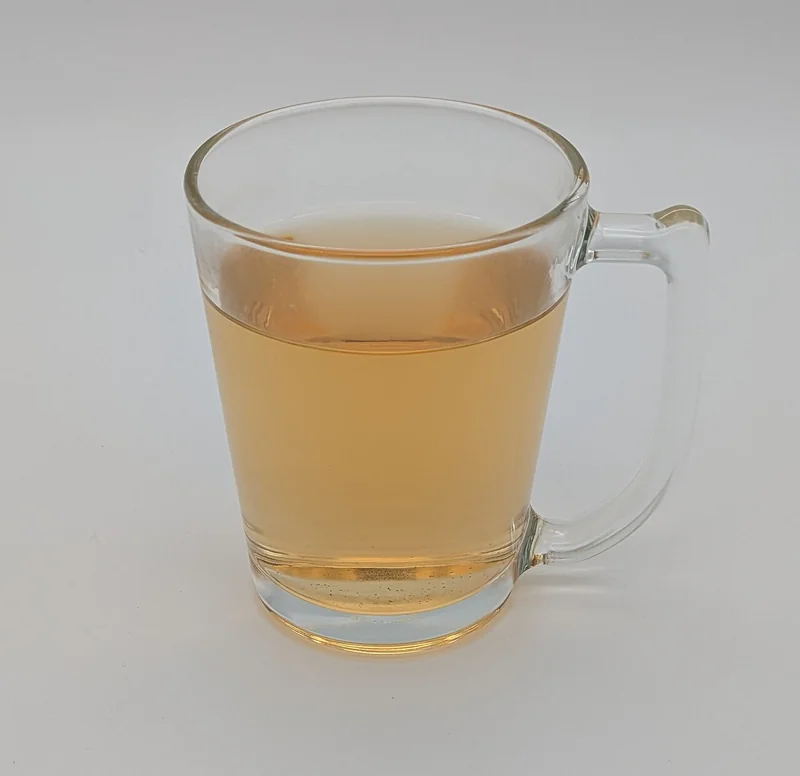
Phoenix Dancong (凤凰单枞, Fènghuáng Dāncóng) is a category of oolong tea from the Phoenix Mountain (Fenghuang Shan) area of Chaozhou, Guangdong Province. The defining characteristic is the single-bush (单枞, dāncóng) cultivation practice: each named cultivar or bush line is processed separately rather than blended across bushes — allowing the distinct aromatic character of individual plant lines to be expressed. Phoenix Dancong is famous for producing a wide spectrum of natural fruit and floral aromas through processing alone, without additives: named cultivars include Mi Lan Xiang (honey orchid), Ya Shi Xiang (duck feces), Huang Zhi Xiang (gardenia), Zhi Lan Xiang (winter orchid), and dozens more. Each name refers to the natural aroma of the cultivar, not a flavour addition.
Quick facts
- Type
- Tea
- Origin
- Fenghuang (Phoenix) Mountain, Chaozhou, Guangdong Province, China
- Oxidation
- Oolong (partial)
- Caffeine
- High
- Astringency
- Moderate — varies significantly by cultivar and roast level
- Sweetness
- High, with intense cultivar-specific floral or fruity notes
- Body
- Medium to full
- Tasting notes
- varies by cultivar: orchid / honey / peach / gardenia / fruity / spice
The Single-Bush Cultivation Practice
The 'dan cong' (单枞) designation means 'single clump' or 'single bush' — referring to the practice of harvesting and processing individual tea plants or named cultivar lines separately. In mass-market oolong production, leaves from many different bushes are blended for consistency. In Phoenix Dancong, specific plant lines with distinctive aromatic characters are maintained as separate genetic lines, often through clonal propagation from ancient 'mother trees' on the mountain. The most prestigious of these are reportedly centuries-old trees on the high elevations of Fenghuang Mountain (at 1200 m+), whose aged, deep root systems are thought to produce teas with greater complexity. These ancient tree productions are extremely limited and expensive. More accessible Phoenix Dancong comes from younger clonal plantings at middle elevations, which still express characteristic cultivar aromas.
Named Aroma Types (Xiang Xing)
The system of named aroma types (香型, xiāng xíng) in Phoenix Dancong is one of the most developed aroma classification systems in Chinese tea. Over 80 named cultivars are documented, each associated with a specific natural aromatic character. The most well-known include: Mi Lan Xiang (蜜兰香, honey-orchid) — the most widely produced and exported, with a prominent floral-honey sweetness; Ya Shi Xiang (鸭屎香, 'duck shit fragrance') — counterintuitively, one of the most prized, with a complex mineral-floral-yellow ginger lily character that the unflattering name was historically given to discourage theft from the original garden; Huang Zhi Xiang (黄栀香, gardenia); Zhi Lan Xiang (芝兰香, winter orchid); and Gui Hua Xiang (桂花香, osmanthus). The aromas arise from the specific volatile compounds produced by each cultivar's genetic background and are not added during processing.
Processing and Roast Level
Phoenix Dancong processing involves extended outdoor withering (4–8 hours in sunlight and shade), a indoor withering and tossing sequence to develop oxidation through the bruising of leaf edges (typically to 40–70% oxidation — more than Taiwanese oolongs, less than fully oxidised black tea), kill-green, rolling, and drying. A defining characteristic of traditional Phoenix Dancong is additional charcoal or electric roasting (焙火, bèi huǒ) after initial drying — ranging from light (清香型, qīng xiāng, green fragrant) to heavy (熟香型, shóu xiāng, mature/roasted fragrant). Lightly roasted versions express the fresh cultivar aroma most clearly; heavily roasted versions develop more caramel, mineral, and 'deep' character at the cost of some floral freshness. Different roast levels serve different contexts and palate preferences.
Sources & further reading (2)
- encyclopedia — accessed 2026-05-07
- encyclopedia — accessed 2026-05-07
Frequently asked questions
Is 'Ya Shi Xiang' (duck shit fragrance) really named for duck excrement?
Yes, and the name was reportedly given deliberately to discourage others from taking cuttings from the original bush. The actual aroma has nothing to do with the name — Ya Shi Xiang is prized for a complex, intensely floral character with notes of yellow ginger lily (Hedychium) and a distinctive minerality. The unflattering name successfully obscured the bush's value for generations. Today, the name is a recognised brand, and Ya Shi Xiang from Wudong Mountain commands premium prices precisely because of its reputation and the curiosity the name generates.
How heavily oxidised is Phoenix Dancong compared to other oolongs?
Phoenix Dancong is typically oxidised to 40–70% — more than Taiwanese ball-rolled oolongs (15–30%) and Tieguanyin (20–40%), but less than fully oxidised black tea (95%+). The higher oxidation contributes to Phoenix Dancong's typically fuller body and more complex, sometimes roasted character compared to lightly oxidised Taiwanese oolongs. The additional charcoal roasting step adds another dimension of complexity.
What is Mi Lan Xiang, and why is it the most common Phoenix Dancong?
Mi Lan Xiang (蜜兰香, honey-orchid) is the most widely produced Phoenix Dancong cultivar because it combines a crowd-pleasing honey-orchid sweetness with relatively consistent performance across different growing conditions. It is the most commonly exported variety and the first Phoenix Dancong many drinkers encounter. While it is not necessarily the most complex cultivar, its balance of sweetness, florality, and approachability makes it the best entry point to the broader Phoenix Dancong category.