Lemongrass
A tropical grass brewed as a bright, clean lemon-citrus tisane — lighter and more grassy than lemon verbena, caffeine
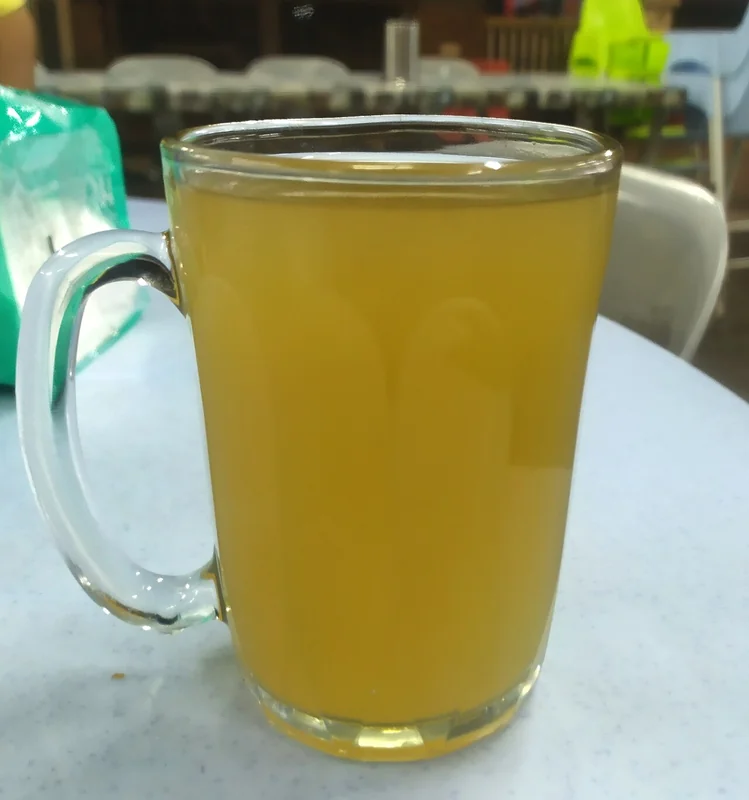
Lemongrass (Cymbopogon citratus and related species) is a tall tropical grass in the Poaceae family, native to South and Southeast Asia, cultivated throughout tropical regions for culinary, aromatic, and traditional beverage use. The fresh or dried stalks and leaves are brewed as a herbal tisane, producing a clear, bright lemon-citrus infusion with a clean, slightly grassy character distinct from lemon juice (no acidity) or lemon verbena (less intense, more grassy). Lemongrass is widely consumed as a beverage across Southeast Asia — particularly in Vietnam, Thailand, and Indonesia — and in West Africa and the Caribbean. Its aromatic character comes primarily from citral (the same compound responsible for lemon verbena's lemon scent), along with geraniol and other terpene compounds.
Quick facts
- Type
- Herbal Infusion
- Origin
- Native to South and Southeast Asia; cultivated in tropical and subtropical regions worldwide
- Astringency
- Very low
- Sweetness
- Light
- Body
- Very light
- Tasting notes
- bright lemon, fresh grass, clean citrus, slightly floral, light herbal
Botanical Profile and Cultivation
Cymbopogon citratus (West Indian lemongrass) is the most widely used species for culinary and beverage use, though Cymbopogon flexuosus (East Indian lemongrass) is also cultivated. The plant grows as a clump-forming perennial grass reaching 1–2 metres, with long, flat, grey-green leaves that have sharp edges and release a strong lemon scent when bruised or cut. The plant is cultivated in tropical and subtropical regions across Asia, Africa, the Caribbean, and Central and South America — thriving in warm, humid conditions with well-drained soil. Essential oil (up to 75% citral) is extracted from lemongrass for use in perfumery, food flavouring, and aromatherapy. The fresh stalk — particularly the lower, more tender white portion — is used extensively in Southeast Asian cooking (Thai curry, Vietnamese pho, Indonesian sambal), while the outer leaves are dried and used for tisanes.
Preparation Methods Across Cultures
In Vietnam, lemongrass tea (trà sả) is a common everyday beverage — fresh stalks and leaves are boiled with water for 10–15 minutes, producing a strongly aromatic infusion often drunk without sweetener. In Thailand, lemongrass is combined with ginger and galangal in warming herbal drinks. In West African cooking traditions (particularly Nigeria and Ghana), lemongrass (known as 'fever grass') is a common ingredient in herbal teas consumed for general wellness — though medical claims are outside the scope of this entry. In the Caribbean, it is called 'fever grass' and brewed similarly. Commercial dried lemongrass tea products are widely available in Western markets; the dried form produces a milder, more delicate infusion than fresh, as volatile aromatics are partially lost during drying.
Culinary and Aromatic Position
Within the category of lemon-citrus herbal tisanes, lemongrass occupies a distinct position: lighter and more grassy than lemon verbena, brighter and less floral than lemon balm, and simpler (less complex) than citrus peel infusions. It is frequently used as a blending component in commercial herbal teas precisely because its clean citrus note complements without overwhelming other herbs — common combinations include lemongrass with ginger (warming-citrus), lemongrass with peppermint (cooling-citrus), and lemongrass with hibiscus (tart-citrus). The fresh stalk brewed in water produces a significantly more aromatic infusion than dried leaves, making it a preferred method where fresh lemongrass is available.
Sources & further reading (2)
- encyclopedia — accessed 2026-05-07
- encyclopedia — accessed 2026-05-07
Frequently asked questions
Is lemongrass the same as lemon verbena?
No. Both produce a lemon-citrus herbal tisane through different botanicals. Lemongrass (Cymbopogon citratus) is a tropical grass with a lighter, more grassy-clean lemon character. Lemon verbena (Aloysia citrodora) is a woody shrub with a more intensely concentrated and floral lemon aroma. Both contain citral as a primary aromatic compound, but the concentration and accompanying compounds differ: lemon verbena is more intensely lemony; lemongrass is lighter and slightly grassy. They are botanically unrelated.
Can lemongrass be used fresh or only dried?
Both fresh and dried lemongrass can be brewed as tisane. Fresh lemongrass (lower stalks) produces a more intensely aromatic and slightly sweet infusion, as the volatile compounds are at full concentration. Dried lemongrass is milder because drying causes partial loss of volatile aromatics. For the strongest aroma, fresh is preferred; dried is more practical for year-round availability outside tropical growing regions. When using fresh lemongrass, bruising or cutting the stalk before brewing releases more aromatic compounds.
How does lemongrass tisane differ from lemon tea (tea with lemon)?
Lemongrass tisane is an infusion of Cymbopogon citratus — a caffeine-free herbal drink with a naturally lemony character from citral compounds. Lemon tea refers to black, green, or other Camellia sinensis tea with lemon juice, lemon peel, or lemon flavouring added. The latter contains caffeine and has the acidity of lemon juice alongside tea tannins. Lemongrass tisane has no acidity and no caffeine — a gentler, cleaner lemon experience.