Lemon Verbena
A South American herb brewed as a bright lemon-citrus tisane — intense natural lemon aroma with no acidity, caffeine
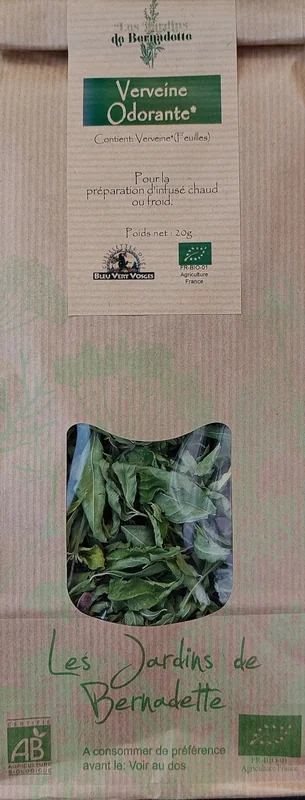
Lemon verbena (Aloysia citrodora, formerly Lippia citriodora) is a flowering shrub native to South America, cultivated for its strongly lemon-scented leaves that contain high concentrations of citral (a mixture of neral and geranial terpene aldehydes). When dried and brewed as a herbal infusion (tisane), lemon verbena produces a brightly lemony, floral, and slightly sweet beverage without the acidity of lemon juice. It is caffeine-free and is consumed widely in Spain (where it is called hierba luisa), France (verveine), North Africa, and South America. Unlike chamomile's subtle apple-honey quality or peppermint's cooling menthol, lemon verbena's aroma is intensely citrus-forward — a clean, natural lemon scent that many drinkers find more pleasant than synthetic lemon flavouring.
Quick facts
- Type
- Herbal Infusion
- Origin
- Native to South America (Peru, Chile, Argentina); cultivated worldwide in Mediterranean climates
- Astringency
- Very low
- Sweetness
- Light to moderate
- Body
- Light
- Tasting notes
- intense lemon, citrus floral, light herbal, clean finish, mild sweetness
Botanical Profile and Aromatic Chemistry
Aloysia citrodora is a woody deciduous shrub in the Verbenaceae family, growing to 1–3 metres. The narrow, pointed leaves contain essential oil glands — visible as tiny translucent dots when held to light — rich in citral (geranial + neral, 30–35%), limonene (15–20%), 1,8-cineole, and other terpene compounds. Citral is the primary carrier of lemon scent; its concentration in lemon verbena leaves is among the highest of any herbaceous plant. The leaves are most aromatic when young and are typically harvested before flowering, when essential oil content peaks. Dried lemon verbena leaves retain significant aromatic intensity — a characteristic that distinguishes it from many dried herbs that lose much of their aroma during drying. The high essential oil content also gives lemon verbena leaves some antimicrobial properties studied in food science contexts.
Culinary and Cultural Uses
In Spain, lemon verbena infusion (hierba luisa) is a common after-dinner digestive drink, served plain or with honey. In France, verveine (lemon verbena) is one of the most popular herbal teas, particularly associated with the Auvergne region. In North Africa — particularly Morocco and Algeria — lemon verbena is added to green tea alongside or instead of mint, producing a brightly lemony variant of the mint tea tradition. In South America, where the plant originates, it is consumed as a digestive tea (cedrón in Spanish-speaking countries) and used as a flavouring for desserts, liquors (including French Verveine du Velay liqueur), and confections. The culinary versatility of lemon verbena extends beyond infusions to marinades, salad dressings, and pastry aromatics.
Blending and Commercial Use
Lemon verbena's intense, natural lemon aroma makes it a sought-after component in commercial herbal tea blends seeking lemon flavour without artificial flavouring. Common blending partners include: chamomile (adds floral complexity and softens the lemon intensity), mint (adds cooling contrast), lemongrass (amplifies the citrus direction), and ginger (adds warming contrast). Commercially, lemon verbena appears in wellness blends marketed for digestive comfort — though factual claims about medical effects are outside the scope of a factual encyclopedia entry on the herb. The herb is also distilled for essential oil used in aromatherapy and perfumery, making it an economically significant aromatic crop in Morocco, Argentina, and parts of southern Europe.
Sources & further reading (2)
- encyclopedia — accessed 2026-05-07
- encyclopedia — accessed 2026-05-07
Frequently asked questions
Is lemon verbena the same as lemon balm?
No. Lemon verbena (Aloysia citrodora, Verbenaceae) and lemon balm (Melissa officinalis, Lamiaceae) are different plants with similar lemon scent but different aromatic profiles. Lemon verbena has a sharper, more intensely citrus character. Lemon balm is softer, more herbal-floral, and has a slight minty undertone. Both are brewed as herbal tisanes, but they are botanically unrelated and taste distinctly different. Commercial herbal tea labels sometimes blur this distinction, so checking botanical names clarifies which plant is used.
How is lemon verbena brewed?
Fresh or dried lemon verbena leaves are brewed in water just off the boil (85–95°C) for 5–8 minutes. Fresh leaves require a generous handful; dried leaves require approximately 1–2 teaspoons per cup. The infusion is naturally pale yellow-green to clear. Longer steeping increases bitterness slightly without significantly increasing lemon aroma — the volatile citral compounds are released quickly. Lemon verbena blends well with honey, which complements the natural floral note. Iced versions retain the aromatic intensity well.
Does lemon verbena contain caffeine?
No. Lemon verbena is not related to Camellia sinensis (the tea plant) and contains no caffeine. It is a caffeine-free herbal infusion (tisane) appropriate for consumption at any time of day without stimulant effects. It is commonly offered as an evening drink in European and North African contexts where caffeine avoidance is desired.