Kabusecha
A Japanese shaded green tea covered for 10-14 days — positioned between sencha and gyokuro in sweetness and umami.
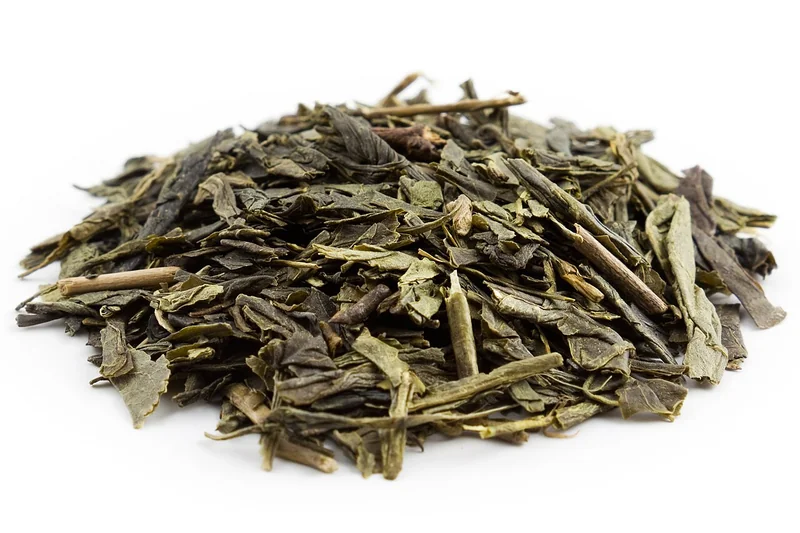
Kabusecha (冠茶, 'covered tea') is a Japanese green tea produced under partial shading for approximately 10–14 days before harvest — less than gyokuro's 20+ days of shading, but significantly more than unshaded sencha. The shading increases chlorophyll and L-theanine while suppressing the catechins responsible for bitterness and astringency, producing a tea with more sweetness and umami than sencha but less intense shaded character than gyokuro. The name refers to the kabuse method of covering (冠せる) the tea plants with a net or straw mat. Kabusecha is produced mainly in Mie, Shizuoka, and Kyoto prefectures. It occupies a commercially important middle tier — more accessible and affordable than gyokuro while noticeably superior in complexity to standard sencha.
Quick facts
- Type
- Tea
- Origin
- Mie, Shizuoka, and Kyoto Prefectures, Japan
- Cultivar
- Yabukita, Okumidori, Saemidori
- Oxidation
- Green (unoxidised)
- Caffeine
- Medium
- Umami
- Moderate to high — more than sencha, less than gyokuro
- Astringency
- Low — shading suppresses catechin development
- Sweetness
- Moderate to high
- Body
- Light to medium
- Tasting notes
- seaweed, steamed greens, marine sweetness, light floral
Shading and Flavour Mechanics
The kabusecha shading period of 10–14 days (compared to gyokuro's 20–30+ days) creates a partial version of the flavour transformation that defines shaded Japanese teas. When sunlight is reduced, the tea plant cannot convert L-theanine into catechins through photosynthesis — theanine accumulates in the leaves, contributing umami and sweetness. Chlorophyll increases, deepening the green colour of both leaf and liquor. The shorter shading period means that kabusecha retains more of sencha's fresh, vegetal brightness while gaining noticeable umami depth. The net or straw covering used for kabusecha shading (as opposed to the full black cloth enclosure used for the most premium gyokuro) affects light reduction: standard kabusecha nets reduce light by 50–70%, compared to gyokuro at 85–95%.
Production and Grading
Mie Prefecture is particularly associated with kabusecha production — the local style tends toward a pronounced marine-umami character. Shizuoka produces kabusecha with a cleaner, lighter profile. Uji in Kyoto Prefecture also produces premium kabusecha using traditional cultivars. The first flush (ichibancha) kabusecha, harvested in early May, commands the highest quality. Second flush kabusecha (nibancha) is produced for more everyday consumption. Some producers label their product simply as 'kabu' or 'kabuse-gyokuro' when the shading approaches gyokuro intensity but does not meet the full 20-day requirement for gyokuro classification. Japanese standards for kabusecha are regulated by the National Research Institute of Vegetables, Ornamental Plants and Tea.
Brewing and Comparison to Sencha and Gyokuro
Kabusecha is brewed at lower temperatures than standard sencha — typically 65–75°C — to preserve sweetness and prevent bitterness. A 60–90 second steep with 5–6 grams per 100 ml produces the best result. The infusion is deeper green and more viscous than sencha, with a pronounced umami note on the palate. For drinkers who find gyokuro's intensity overwhelming but want more complexity than sencha, kabusecha is the natural recommendation. In Japanese green tea ranking, the progression runs roughly: bancha < sencha < kabusecha < gyokuro < high-grade gyokuro — with matcha occupying a parallel track as a processed powder form. Kabusecha is well-suited to multiple infusions: the second steep typically softens and sweetens further.
Sources & further reading (2)
- encyclopedia — accessed 2026-05-07
- institution — accessed 2026-05-07
Frequently asked questions
What is the difference between kabusecha and gyokuro?
The primary difference is shading duration and intensity. Gyokuro requires 20–30+ days of full shading (85–95% light reduction), producing extreme umami concentration, deep sweetness, and near-zero astringency. Kabusecha uses 10–14 days of partial shading (50–70% light reduction), producing moderate umami and sweetness with some residual sencha-like freshness. Price-wise, gyokuro is significantly more expensive than kabusecha due to longer shading and stricter production standards.
Is kabusecha the same as 'kabuse sencha'?
The terms are often used interchangeably in casual contexts, but technically 'kabuse sencha' emphasises that the base processing follows sencha procedures (steaming + rolling), while 'kabusecha' can sometimes refer to any shaded tea product not meeting full gyokuro standards. In practice, both terms describe the same product: a partially shaded Japanese green tea. The 'sencha' in 'kabuse sencha' refers to the processing method, not a quality downgrade.
Where is kabusecha most produced in Japan?
Mie Prefecture in central Honshu is the dominant producer, associated with a particularly umami-forward kabusecha style. Shizuoka (Japan's largest overall tea-producing prefecture) also produces significant kabusecha volume. Uji in Kyoto is associated with premium small-production kabusecha. The Yamecha region of Fukuoka Prefecture produces kabusecha with a softer, rounder character.