Huoshan Huangya
Anhui's delicate yellow tea from Huoshan County — mild smothered character, chestnut sweetness, and a long history as
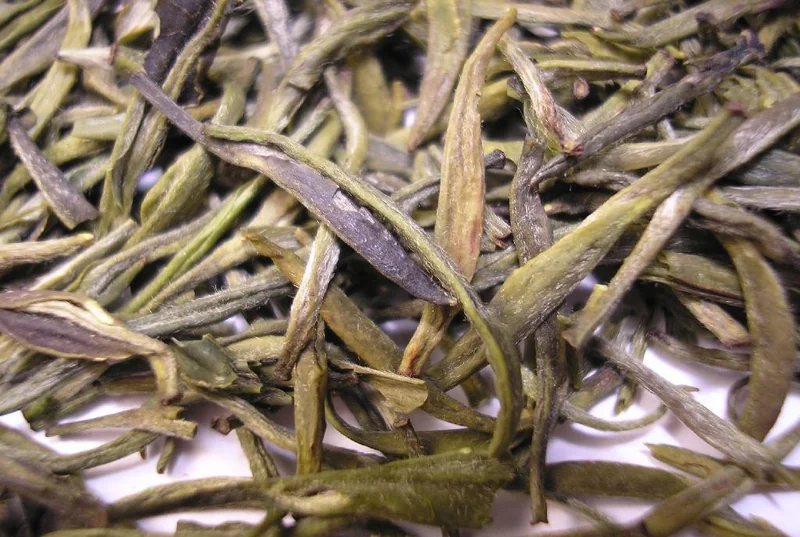
Huoshan Huangya (霍山黄芽, 'Huoshan Yellow Bud') is a Chinese yellow tea produced in Huoshan County, Lu'an City, Anhui Province. Like other Chinese yellow teas, it undergoes a menhuang (smothering) step after kill-green to develop its characteristic mellow, honey-sweet character and yellow-green leaf colour. Huoshan Huangya uses a one-bud-with-one-small-leaf or bud-only picking standard from first-flush spring harvests. The tea has been documented as tribute-grade since the Tang dynasty, when Lu'an (the broader administrative area) teas were reportedly prized at the imperial court. The modern version is lighter in body and more delicate than Mengding Huangya, with a characteristic chestnut-honey sweetness and minimal astringency.
Quick facts
- Type
- Tea
- Origin
- Huoshan County, Lu'an City, Anhui Province, China
- Oxidation
- Yellow (slight)
- Caffeine
- Medium
- Astringency
- Very low
- Sweetness
- Moderate, chestnut-honey
- Body
- Light
- Tasting notes
- chestnut, honey, fresh hay, subtle floral, clean finish
Processing and Menhuang Duration
Huoshan Huangya's processing follows the standard yellow tea sequence: fresh leaf harvest → withering → kill-green (pan-firing) → initial rolling → menhuang (smothering in paper/cloth for 24–72 hours) → final drying. The menhuang duration for Huoshan Huangya is typically at the shorter end compared to other yellow teas — approximately 24–48 hours for standard grades, with longer smothering reserved for deeper yellowing in specialty productions. The shorter menhuang preserves more of the green tea's fresh character, giving Huoshan Huangya a lighter, more delicate profile than Mengding Huangya. The single-bud picking used for premium grades results in very small, tightly furled dry leaf pieces that turn pale yellow-green after smothering.
Lu'an Tea Tradition
Huoshan County is part of the historic Lu'an tea-producing region of Anhui Province. Lu'an tea has been documented in Chinese texts since at least the Tang dynasty, with references to Liu An Gua Pian (the famous melon-seed green tea from the same area) appearing in Ming dynasty records. Huoshan County's yellow tea tradition is parallel to but distinct from Liu An Gua Pian — both come from the same mountain area but use different processing. The area's elevation (Huoshan tea gardens are typically at 400–800 m), cloud cover, and moderate rainfall create growing conditions that concentrate flavour compounds. The tea was offered as tribute (gongcha) during multiple dynasties, though the exact processing used for historical tribute teas is uncertain.
Comparison to Green Tea from the Same Region
The same Anhui mountain area produces Liu An Gua Pian (green), which is distinctive for its de-budded, pure-leaf processing. Huoshan Huangya, by contrast, uses bud-focused picking and the menhuang smothering step that transforms it into yellow tea. Drinkers familiar with Liu An Gua Pian find Huoshan Huangya noticeably mellower and sweeter, with less of the dry, grassy character of the green tea. The menhuang step essentially serves as a bridge between green and white tea character — removing the sharp freshness without adding oxidation or fermentation. For new drinkers finding green tea too astringent, yellow teas like Huoshan Huangya are a recommended entry point.
Sources & further reading (2)
- encyclopedia — accessed 2026-05-07
- encyclopedia — accessed 2026-05-07
Frequently asked questions
How is Huoshan Huangya different from Lu'an Gua Pian?
Both come from the Lu'an area of Anhui Province, but they are different teas with different processing. Lu'an Gua Pian is a green tea made from de-budded mature leaves processed without the smothering step — it is more astringent and has a distinctive melon-seed or fresh vegetal character. Huoshan Huangya is a yellow tea made from tender buds with the menhuang smothering step — it is mellower, sweeter, and has a yellow-green colour rather than vivid green. The two represent parallel tea traditions from the same geographic region.
Is Huoshan Huangya easy to find outside China?
Relatively difficult. Yellow tea as a category represents a tiny fraction of global tea trade, and Huoshan Huangya — less famous than Junshan Yinzhen — is even less commonly stocked by international importers. Specialty tea shops in major cities with strong Chinese tea selections may carry it seasonally. Online specialty tea retailers from China and Taiwan-based re-importers are the most reliable sources. Authenticity verification is difficult at distance; purchasing from producers with documented Huoshan County origin is advisable.
What water temperature and steep time are recommended?
70–80°C water with a 1–2 minute steep for the first infusion is the standard recommendation. The delicate bud structure is sensitive to high temperatures. A glass or white porcelain gaiwan allows the colour and leaf movement to be observed. Huoshan Huangya typically gives 2–3 good infusions before flavour diminishes. Each subsequent infusion should be slightly longer to compensate for extraction fatigue in the spent leaves.