Clay Pot Boiled Tea
The ancient method of boiling compressed or loose tea directly in a clay or earthen pot — the precursor to all modern
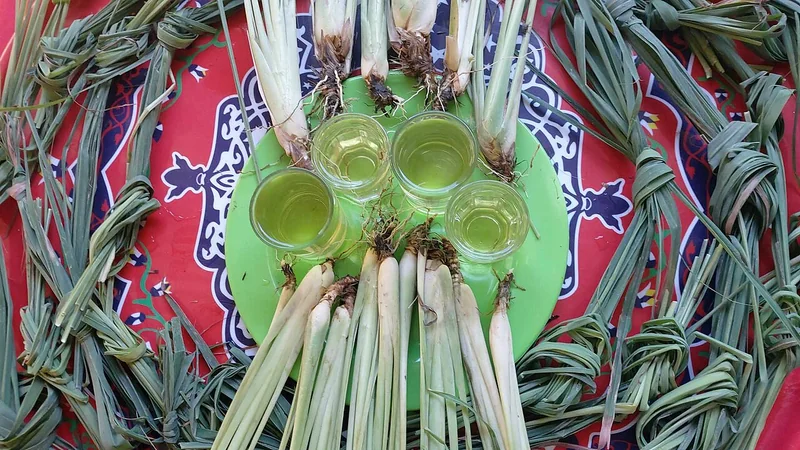
Clay pot boiled tea (煮茶, zhǔ chá, 'boiled tea') is one of the oldest documented methods of tea preparation — boiling tea leaf material directly in water in a clay or earthen vessel rather than steeping in a separate vessel. Historical Chinese texts from the Tang dynasty describe this method as the dominant form of tea preparation at the time, evolving from even earlier practices of boiling tea leaves with other ingredients (salt, ginger, onion, milk) in a single cooking pot. The method was gradually supplanted by whisked powdered tea (Song dynasty) and later loose-leaf steeping (Ming dynasty), but boiled tea practices survived in Tibetan butter tea culture, in specific regional traditions in Yunnan and Guangdong, and in the preparation of pu-erh brick tea for Tibetan-style consumption.
Quick facts
- Type
- Brewing Method
Historical Context: Tang Dynasty Tea Preparation
The Tang dynasty (618–907 CE) represents a critical period in Chinese tea culture documentation. The Classic of Tea (茶經, Chá Jīng) written by Lu Yu (陸羽) around 760–780 CE provides the most detailed surviving account of Tang-era tea preparation, which centred on compressed cake tea that was broken, roasted, ground, and then boiled in water with salt. The boiling method involved three stages: first boil (yi fei, 一沸) when small bubbles appeared; second boil (er fei, 二沸) when the water rolled more strongly; third boil (san fei, 三沸) — the tea was added at the second boil, and the third boil marked when the tea was ready. The specific clay vessel (fu, 釜) was a wide, flat-bottomed pot with handles. This sophisticated boiling method contrasts with simple cooking-pot preparations that predate Lu Yu's work, representing a systematisation of what had been more casual practice.
Survival in Tibetan and Yunnan Traditions
While boiled tea declined as the dominant Chinese preparation after the Song and Ming dynasties replaced it with powdered whisking and loose-leaf steeping respectively, the boiling method survived in cultural contexts where it remained practical and preferred. In Tibetan culture, brick tea boiled in water is the basis for butter tea (po cha) — the brick is simmered for an extended period in a pot of water to extract a strong concentrate before churning with butter and salt. In Yunnan Province, some minority cultures including the Bulang and Aini (Hani) people maintain traditions of 'baked tea' (烤茶, kǎo chá) — tea leaves are roasted in a small clay pot over heat until slightly browned, then hot water is added directly to the pot and the tea is simmered briefly. The resulting drink is robust, smoky, and quite different from any steeping method.
Contemporary Revival
A small but growing revival interest in boiled tea (zhǔ chá) has developed among Chinese tea enthusiasts and specialty tea practitioners who seek to experience historical preparation methods or explore the different extraction chemistry of boiling versus steeping. Aged pu-erh and aged white tea — compressed or loose — are particularly associated with boiled preparation in the revival context: the extended aging of these teas means they can withstand boiling without developing unpleasant harshness, and boiling extracts a broader range of compounds from the aged leaf matrix than steeping at lower temperatures. A small clay pot (chaozhou style) over a charcoal burner is the preferred contemporary setup. The boiled preparation of aged teas is sometimes called zhu cha or simply 'boil tea' in specialty tea circles.
Sources & further reading (2)
- encyclopedia — accessed 2026-05-07
- encyclopedia — accessed 2026-05-07
Frequently asked questions
What is the difference between boiled tea and steeped tea chemically?
Boiling (100°C sustained heat) extracts a broader and more complete range of compounds from tea leaves than steeping at 70–95°C. Boiling extracts more polysaccharides, more pectin-like compounds, and different profiles of oxidised flavour compounds — particularly important in aged teas where these compounds have accumulated during aging. However, boiling also extracts more tannins and can create harsher, more astringent character in fresh teas not suited to high temperatures. Aged pu-erh and aged white tea are the categories most commonly benefiting from boiling in contemporary practice.
Is boiled tea still practiced in China?
Yes, in several contexts: Tibetan butter tea preparation (standard in Tibetan communities), Yunnan minority 'baked tea' (kǎo chá) traditions, and contemporary revival brewing of aged pu-erh and aged white tea among specialty tea enthusiasts. The mainstream Chinese everyday practice is steeping in a gaiwan, kyusu, or thermos — boiling is a minority practice associated with historical interest or specific cultural and regional traditions.
What teas are suited to boiled preparation?
Aged, post-fermented, or compressed teas are most suited to boiling: aged pu-erh (sheng and shou), aged white tea (shou mei bings), and Liu'an teas that have undergone years of transformation are all improved by boiling in the view of their practitioners. Fresh green teas and delicate oolongs are significantly harmed by boiling — the heat destroys delicate aromatic compounds and over-extracts tannins. The traditional Tang-era preparation was designed for compressed, roasted cake tea that differed chemically from today's fresh green teas.