Monster
Níðhöggr
The dragon that gnaws at the roots of Yggdrasil, symbol of cosmic entropy.
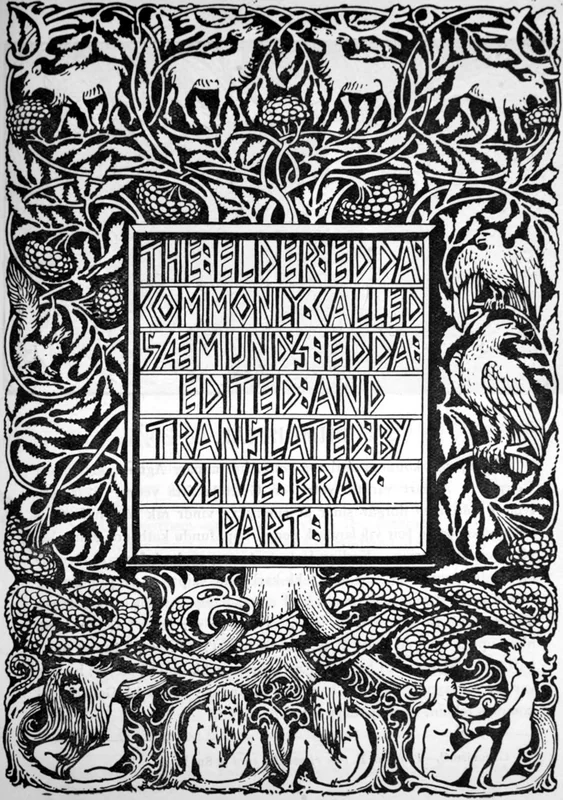
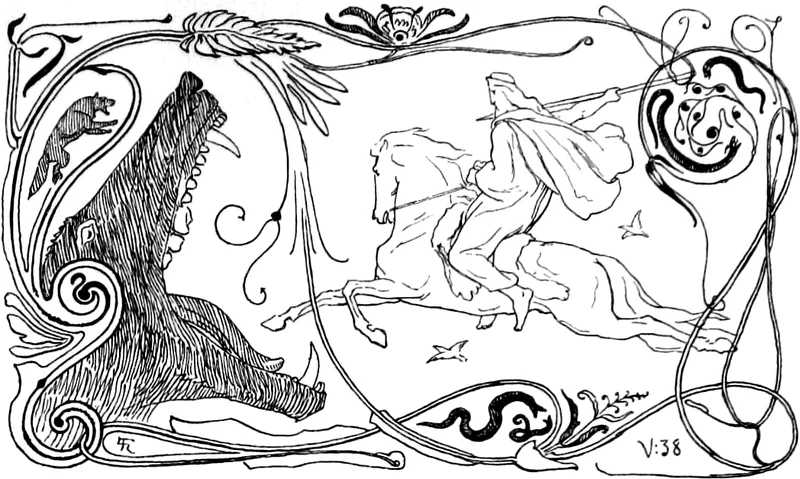
Níðhöggr (Old Norse: Níðhöggr, 'Malice Striker' or 'He Who Strikes with Malice') is the great serpent or dragon of Norse mythology who perpetually gnaws at the roots of the World Tree Yggdrasil, deep in the cold realm of Niflheim. He chews at the root that extends to Hvergelmir, the primordial spring. He also gnaws at the corpses of murderers, oath-breakers, and seducers in the afterlife. Níðhöggr represents the principle of entropy and destruction constantly at work beneath the cosmic order. He will survive Ragnarök and fly over the ruined earth bearing corpses on his wings, as described in the Poetic Edda's Völuspá.
Quick facts
- Pantheon
- Norse
- Figure type
- Monster
- Period
- Attested in Norse literary sources from the 13th century CE
- Primary sources
- Snorri Sturluson Prose Edda: Gylfaginning 16; Poetic Edda: Grímnismál 32, 35; Poetic Edda: Völuspá 66
- Related figures
- yggdrasil, odin, fenrir, jormungandr
- Constellation link
- Draco Constellation (Draco)
Gnawing at Yggdrasil
Snorri's Prose Edda (Gylfaginning 16) describes Níðhöggr gnawing at the root of Yggdrasil from below in Niflheim. The Poetic Edda (Grímnismál 32–35) adds further detail: Níðhöggr gnaws at the corpse shore (Náströnd), consuming the bodies of oath-breakers, murderers, and seducers. The squirrel Ratatoskr runs up and down Yggdrasil carrying insulting messages between Níðhöggr and the eagle at the tree's crown, keeping their enmity alive and perhaps representing the principle that conflict maintains cosmic tension. Together, Níðhöggr's gnawing at the root and the eagle's weathering of the crown represent the forces of destruction working constantly at both ends of the world.
Survival of Ragnarök
The Poetic Edda's Völuspá (66) contains one of the most striking images in Norse mythology: 'There the dragon dark flies from below, the glittering serpent up from Níðafjöll; Níðhöggr bears corpses in his wings as he flies over the plain.' The seeress describes this vision immediately after the world has risen renewed from the sea — Níðhöggr is still present in the new world, still bearing the dead. This suggests that destruction and entropy are permanent features of the cosmos, even after the cataclysm and renewal of Ragnarök.
Sources & further reading (2)
- primary-source — accessed 2026-05-06
- encyclopedia — accessed 2026-05-06
Frequently asked questions
What does Níðhöggr represent in Norse mythology?
Níðhöggr represents the forces of entropy, decay, and destruction that work perpetually beneath the cosmic order. His gnawing at the roots of Yggdrasil symbolises the constant erosion of the cosmic structure from below — the slow weakening of the world's foundations. The tension between Níðhöggr at the roots and the eagle at the crown of Yggdrasil may reflect the Norse cosmological view that the world is sustained by a dynamic balance of opposing forces, which will ultimately fail at Ragnarök.
Is Níðhöggr the same as the Midgard Serpent?
Níðhöggr and Jörmungandr (the Midgard Serpent) are distinct creatures in Norse mythology. Jörmungandr is the son of Loki, who encircles Midgard in the ocean and is destined to battle Thor at Ragnarök. Níðhöggr is the serpent (or dragon) in Niflheim who gnaws at the roots of Yggdrasil; it is not described as Loki's child. Both are serpentine creatures of chaos, but they inhabit different parts of the cosmos and play different roles in the Ragnarök narrative.