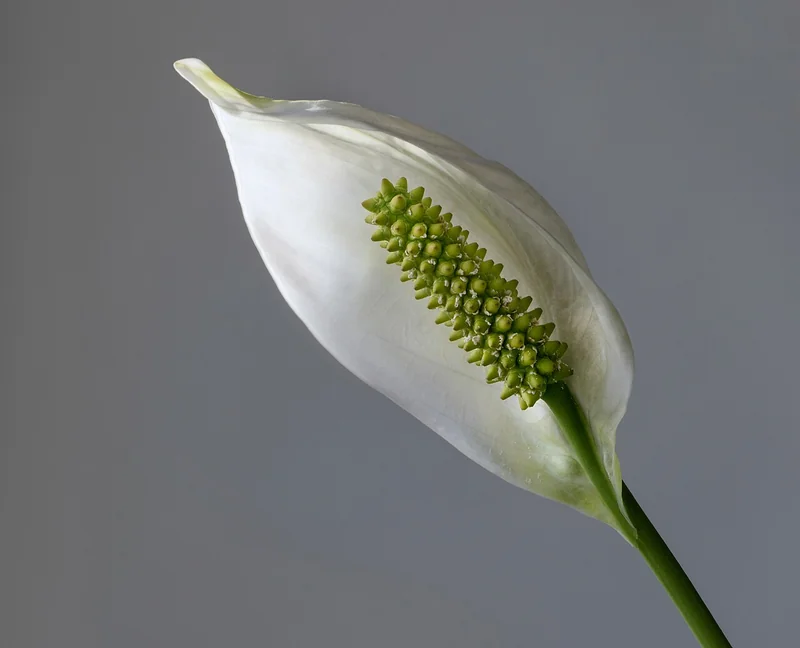
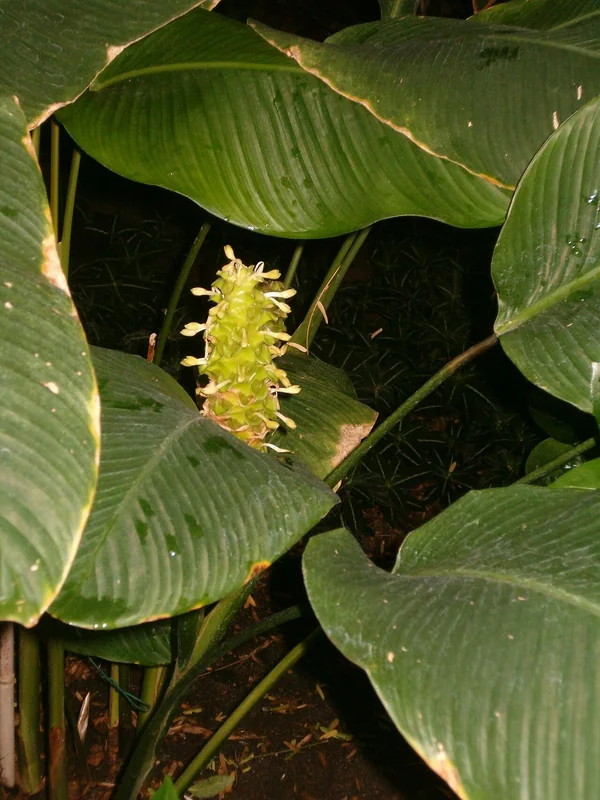
Dracaena trifasciata
Snake Plant Care Guide: Dracaena trifasciata
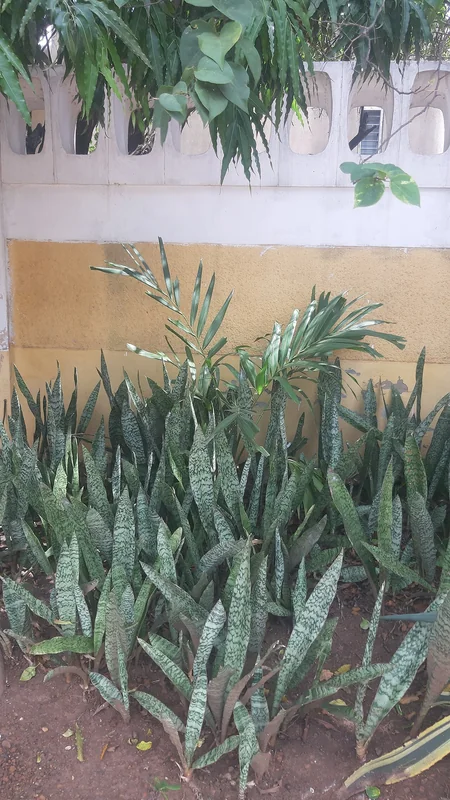 Featured photodracaena-trifasciata.jpg
The snake plant, or Dracaena trifasciata, is a popular and resilient houseplant known for its upright, sword-like leaves. It's an excellent choice for beginners due to its tolerance for a wide range of conditions, including low light and infrequent watering. This plant is also recognized for its air-purifying qualities, making it a beneficial addition to any home.
Care facts at a glance
- Light
- Medium light
- Water
- Allow the soil to dry out completely between waterings, typically every 2-4 weeks depending on light and temperature.
- Humidity
- 30–60 %
- Temperature
- 18–35 °C
- Soil
- A well-draining potting mix is crucial. Use a cactus or succulent blend, or amend regular potting soil with perlite or coarse sand to improve drainage.
- Origin
- West Africa, from Nigeria east to Congo
- Mature size
- Indoors, typically 0.6 to 1.2 meters (2 to 4 feet) tall, though some varieties can grow taller.
Overview
Dracaena trifasciata, commonly known as the snake plant or mother-in-law's tongue, is a remarkably adaptable houseplant. Native to West Africa, it's celebrated for its striking architectural form and ability to thrive on neglect. Its stiff, upright leaves, often variegated with green and yellow, make it a stylish and low-maintenance addition to any indoor space.
Care Priorities
To ensure your snake plant thrives, focus on these key care aspects:
- Light: Prefers medium to bright indirect light but tolerates low light conditions very well.
- Water: Allow soil to dry out completely between waterings to prevent root rot.
- Soil: Use a well-draining potting mix, such as a cactus or succulent blend.
- Temperature: Keep in average room temperatures, avoiding cold drafts.
- Humidity: Tolerates average household humidity levels without issue.
Common Problems
The most common issue for snake plants is root rot, almost always caused by overwatering. Symptoms include mushy, yellowing leaves. If this occurs, reduce watering frequency and ensure the pot has good drainage. Pests like mealybugs or spider mites are rare but can occur, especially in stressed plants. Wipe leaves with a damp cloth to remove dust and deter pests.
Sources & further reading (4)
- encyclopedia — accessed 2026-04-24
- dataset — accessed 2026-04-24
- botanical-garden — accessed 2024-04-25
- botanical-garden — accessed 2024-04-25
Frequently asked questions
How often should I water my snake plant?
Water only when the soil has completely dried out. This might be every 2-4 weeks, depending on light, temperature, and pot size. Always err on the side of underwatering.
Can snake plants live in low light?
Yes, snake plants are very tolerant of low light, though they will grow faster and look their best in medium to bright indirect light. Growth will be slower in dim conditions.
Why are my snake plant's leaves turning yellow and mushy?
This is a classic sign of overwatering and root rot. Reduce watering frequency, ensure the pot has drainage holes, and consider repotting into fresh, well-draining soil if the problem persists.
Is the snake plant toxic to pets?
Yes, Dracaena trifasciata is considered mildly toxic to cats and dogs if ingested, causing symptoms like nausea, vomiting, and diarrhea. Keep it out of reach of curious pets.
How do I propagate a snake plant?
You can propagate snake plants by dividing the rhizomes when repotting, or by taking leaf cuttings. Leaf cuttings can be rooted in water or directly in well-draining soil.